Loading…
← All schools
Greenfield Community College
Greenfield, MApublicwww.gcc.mass.edu/
Avg net price
$7,679
Earnings (10 yr)
$37,132
Acceptance & SAT from Common Data Set / IPEDS; net price, earnings & graduation from the U.S. Dept. of Education College Scorecard. Figures lag ~1–2 years — verify with the school.
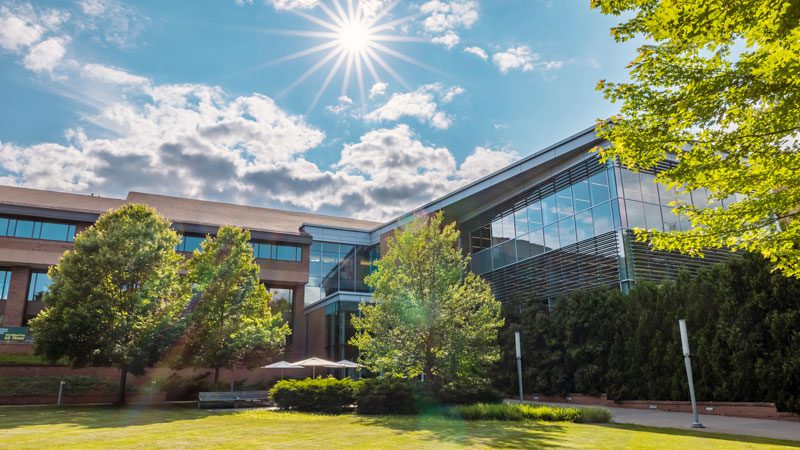
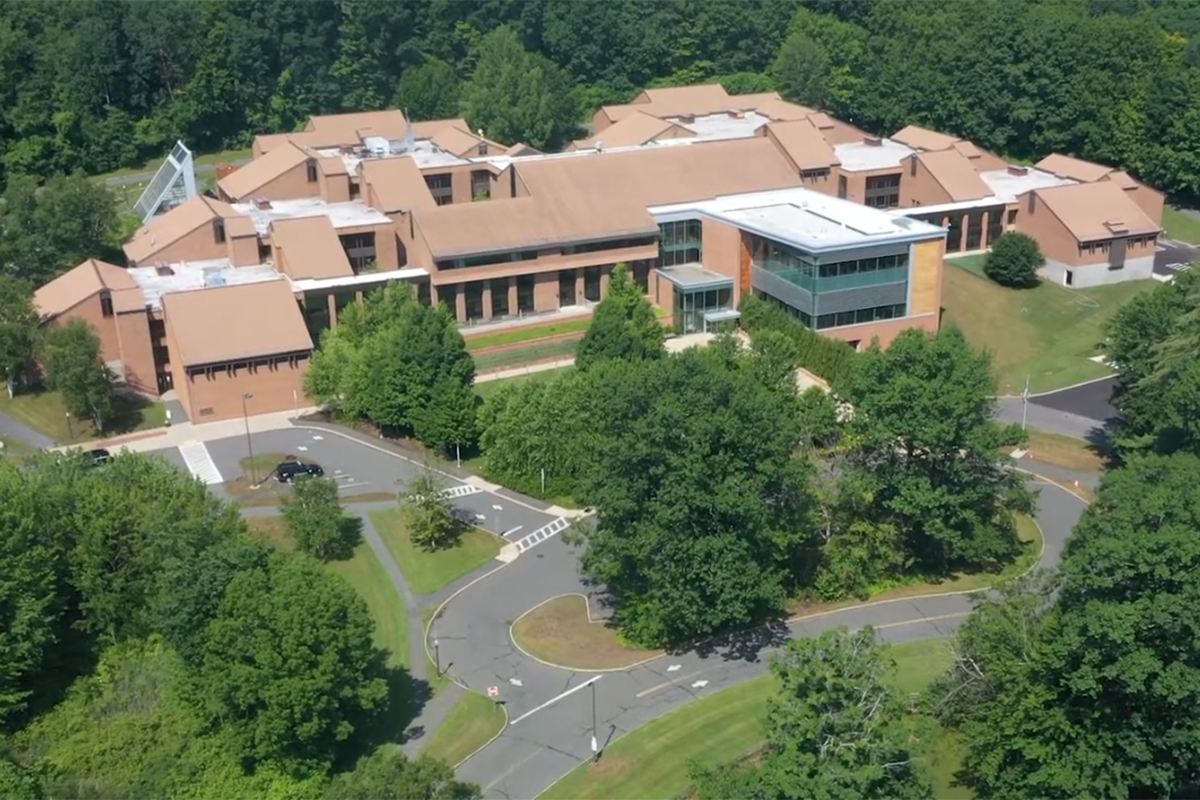
Greenfield Community College is the quintessential open-access, high-touch community college, nestled in the small-town heart of Western Massachusetts. It operates less as a selective institution and more as a public utility for education, offering a 100% acceptance rate and a strikingly intimate 11:1 student-to-faculty ratio. The college has carved out a national reputation—recently ranked 26th among all community colleges—on the strength of its supportive, inclusive culture and pragmatic programs ranging from nursing and fire science to newly minted degrees in environmental conservation.
More details
- Undergrad enrollment
- 1,395
- In-state tuition
- $5,810
- Out-of-state tuition
- $11,930
- Student:Faculty Ratio
- 11:1
- Graduation Rate (6-yr)
- 34%
- Median Earnings (10yr)
- $37,132
- First-Year Retention Rate
- 73%
- Transfer Rate (from 2022 cohort)
- 18%
- National Community College Ranking
- #26
Outcomes & value
Outcomes & value
- Median earnings (10 yr)
- $37,132
- Value (earnings ÷ net price)
- 4.8×
- Median debt at graduation
- $8,307
- Reducing loan balance (3 yr)
- 52%
- Pell (lower-income) share
- 38%
- First-gen share (among federal-aid recipients)
- 37%
Earnings = median of students working ~10 years after entry; debt = median of graduates. Value divides 10-yr earnings by one year’s net price — read it as earnings per dollar of annual cost, not a full lifetime ROI; it favors lower-cost schools. Source: U.S. Dept. of Education College Scorecard. Figures lag ~2 years and reflect all students, not your intended major.
Campus & location
Campus safety
- On-campus violent crimes (2024)
- 0
On-campus criminal offenses classed as violent (murder/non-negligent manslaughter, rape, robbery, aggravated assault) for the most recent reported year. Source: U.S. Dept. of Education Campus Safety and Security (Clery Act). Counts reflect what’s reported to the school, and urban campuses often report more partly due to non-student incidents nearby — read alongside campus size and setting, not as a standalone safety verdict.
Climate
- Pleasant days / yr
- 91
- Summer high
- 81°F
- Winter low
- 22°F
- Annual rain
- 42.8"
- Annual snow
- 45.6"
- Natural-hazard risk
- Relatively Low
Pleasant days counts days per year with a mean temperature of 55–75°F, a high at or below 90°F, a low at or above 45°F, and little precipitation — a transparent comfort measure, not a weighting we invented. Computed from Open-Meteo ERA5 daily history (2019–2023). Natural-hazard risk is the county’s composite rating from the FEMA National Risk Index.
Deep dive — research, future-scholar output & economic mobility
Research output
- Institutional h-index
- 28
- Scholarly works
- 271
Institutional research volume and impact from OpenAlex. The h-index reflects large research universities and will be low for teaching-focused liberal-arts colleges — not a measure of undergraduate quality.
Economic mobility
- Mobility rate
- 0.9%
- Bottom → top quintile
- 7%
- From bottom quintile
- 12%
Mobility rate = the share of students who both start in the bottom household-income quintile and reach the top quintile; bottom → top is that chance conditional on starting at the bottom. Source: Opportunity Insights Mobility Report Cards (Chetty, Friedman, Saez, Turner & Yagan). Reflects 1980–82 birth cohorts, so it’s directional, not current.
Quick answers
- How much does Greenfield Community College cost?
- At Greenfield Community College, the average net price (after aid) is about $7,679 per year. Actual cost varies with financial aid and residency.
- How many undergraduates attend Greenfield Community College?
- Greenfield Community College enrolls approximately 1,395 undergraduate students.
- Where is Greenfield Community College located?
- Greenfield Community College is located in Greenfield, MA.
Admissions
Admissions at GCC is defined by accessibility, not selectivity. The college maintains a 100% , operating on a rolling admissions basis for both fall and spring semesters. This open-door policy embodies its mission to provide education "to all who seek the knowledge and skills necessary to thrive." The process is designed to be a guided journey, with the admissions office positioned to help prospective students "every step of the way." There is no mention of standardized test requirements (SAT/ACT ranges are not reported), and the college does not offer early admission programs. The focus is squarely on enrollment and support, not on competitive screening.
- Acceptance Rate: 100%
- Application Deadlines: Rolling admission for Fall and Spring semesters.
- Standardized Tests: Not required/reported.
Given its open-access mission, factors like demonstrated interest, status, or extracurricular activities—common at selective four-year colleges—are not part of the admissions calculus here. The primary requirement is the desire to enroll and pursue a degree or certificate.
Academics
Compare Greenfield Community College
vs United States Coast Guard Academyvs Lincoln Universityvs Coppin State Universityvs SUNY College at Potsdam
See colleges similar to Greenfield Community College →Sources
- Admission & Enrollment – Greenfield Community College
- Common Data Set: Home
- Greenfield Community College
- BMCC 2024-2025-CDS_for PDF_1.xlsx
- Greenfield Community College - IPEDS
- Common Data Set 2024-2025
- Greenfield Community College — Acceptance Rate, Costs & More
- GCC Shines as 26th Best Community College in the Nation
- Greenfield Community College in Greenfield, MA | US News Education
- Greenfield Community College - Tuition and Acceptance Rate
- Degrees & Certificates – Academics - Greenfield Community College