Admit rate has ranged 77%–92% over the last 5 years — notably volatile, though the latest figure above (70%) falls outside that window. Source: IPEDS via Urban Institute.
Acceptance & SAT from Common Data Set / IPEDS; net price, earnings & graduation from the U.S. Dept. of Education College Scorecard. Figures lag ~1–2 years — verify with the school.
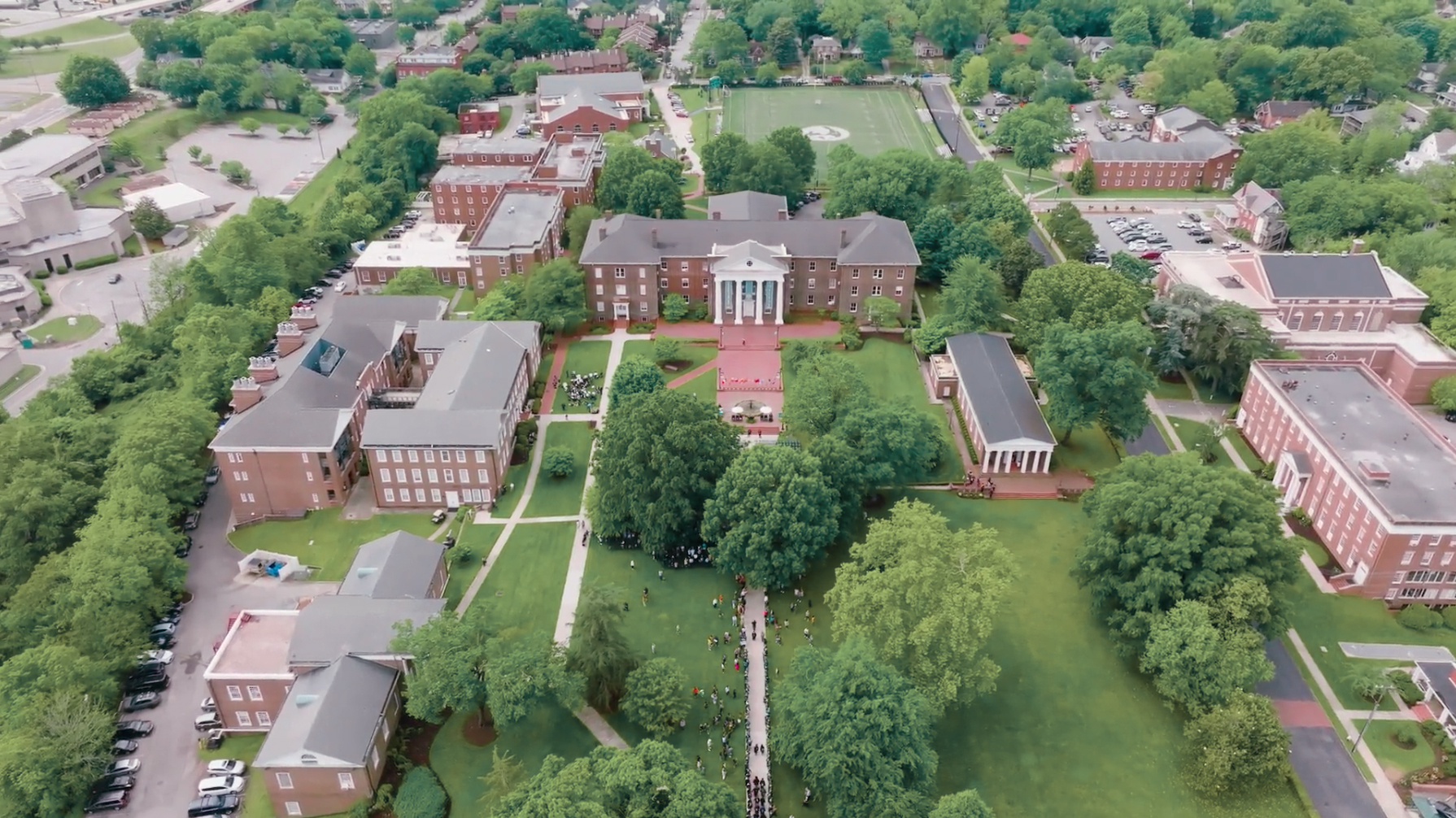
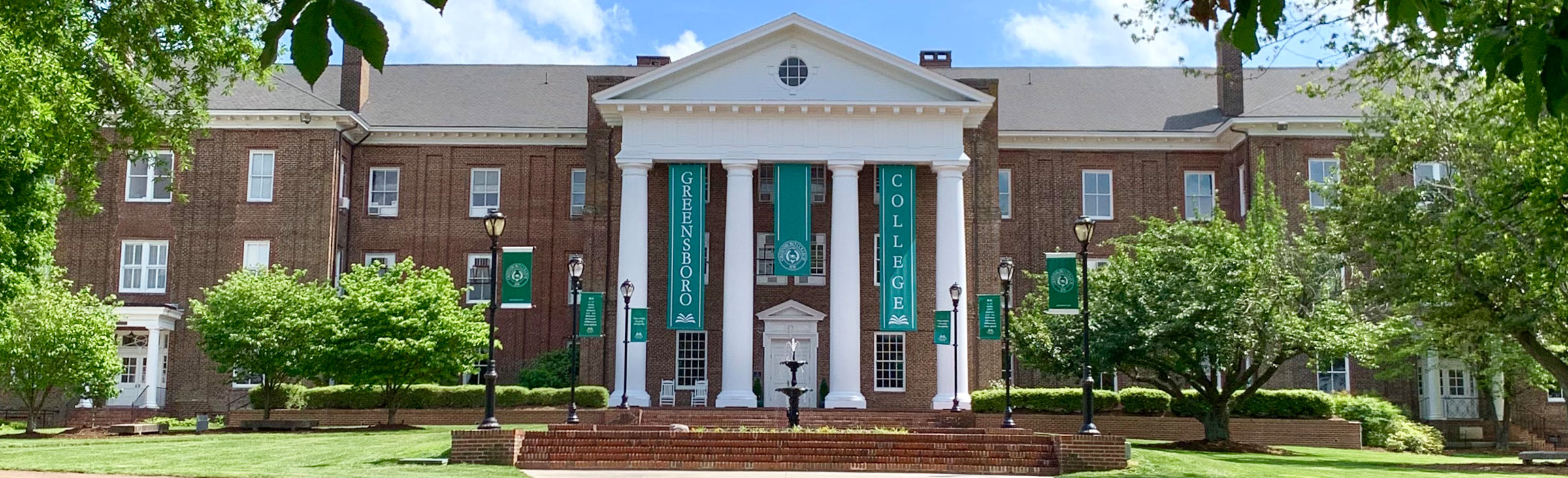
Greensboro College is a small, private liberal arts institution in North Carolina that operates less as a selective gatekeeper and more as a mission-driven access point. With an acceptance rate well above the national average, it prioritizes personalized support and a tight-knit campus community over prestige metrics, though its graduation and post-graduate earnings figures reflect the challenges inherent in that open-door model. The school's identity is firmly rooted in its student-focused, hands-on academic environment and its location in a midsize Southern city.
Admission requirements
Test-blind — scores not considered
Required
High school transcript
Grade point average
TOEFL (non-native English)
Considered (not required)
Letters of recommendation
College-prep program
Demonstrated competencies
Source: IPEDS Admissions survey (2022) via Urban Institute. Covers formal factors only — it does not reflect essays, extracurriculars, or other holistic criteria.
More details
Undergrad enrollment
708
In-state tuition
$21,000
Out-of-state tuition
$21,000
No-Loan Policy
Not indicated
Graduation Rate
46%
Meets Full Need
Not indicated
On-Campus Housing
58%
Early Decision Plan
Not offered
First-Year Retention
66%
Student-Faculty Ratio
10:1
Median Earnings (10yr)
$46,566
Outcomes & value
Outcomes & value
Median earnings (10 yr)
$46,566
Value (earnings ÷ net price)
2.6×
Median debt at graduation
$25,607
Graduation rate
46%
First-year retention
66%
Reducing loan balance (3 yr)
46%
Pell (lower-income) share
46%
First-gen share (among federal-aid recipients)
32%
Top-earning majors
Median earnings by field of study (highest credential), ~2 years after completion.
Teacher Education and Professional Development, Specific Levels and Methods$38,289
Source: U.S. Dept. of Education College Scorecard (field-of-study earnings). Figures cover graduates who received federal aid and lag ~2 years; not all programs report data.
Campus & location
Campus safety
On-campus violent crimes (2024)
4
Per 1,000 students
5.15
On-campus criminal offenses classed as violent (murder/non-negligent manslaughter, rape, robbery, aggravated assault) for the most recent reported year. Source: U.S. Dept. of Education Campus Safety and Security (Clery Act). Counts reflect what’s reported to the school, and urban campuses often report more partly due to non-student incidents nearby — read alongside campus size and setting, not as a standalone safety verdict.
Climate
Pleasant days / yr
99
Summer high
87°F
Winter low
35°F
Annual rain
44.8"
Annual snow
4.9"
Natural-hazard risk
Relatively Moderate
Pleasant days counts days per year with a mean temperature of 55–75°F, a high at or below 90°F, a low at or above 45°F, and little precipitation — a transparent comfort measure, not a weighting we invented. Computed from Open-Meteo ERA5 daily history (2019–2023). Natural-hazard risk is the county’s composite rating from the FEMA National Risk Index.
Deep dive — research, future-scholar output & economic mobility▾
Research output
Institutional h-index
76
Scholarly works
1,299
Institutional research volume and impact from OpenAlex. The h-index reflects large research universities and will be low for teaching-focused liberal-arts colleges — not a measure of undergraduate quality.
Economic mobility
Mobility rate
0.6%
Bottom → top quintile
11%
From bottom quintile
6%
Mobility rate = the share of students who both start in the bottom household-income quintile and reach the top quintile; bottom → top is that chance conditional on starting at the bottom. Source: Opportunity Insights Mobility Report Cards (Chetty, Friedman, Saez, Turner & Yagan). Reflects 1980–82 birth cohorts, so it’s directional, not current.
Quick answers
What is the acceptance rate at Greensboro College?
Greensboro College's acceptance rate is approximately 70% (Greensboro, NC), based on the most recent figures we compiled from public and primary sources.
How much does Greensboro College cost?
At Greensboro College, the average net price (after aid) is about $17,882 per year. Actual cost varies with financial aid and residency.
How many undergraduates attend Greensboro College?
Greensboro College enrolls approximately 708 undergraduate students.
Where is Greensboro College located?
Greensboro College is located in Greensboro, NC.
Admissions
Greensboro College’s admissions process is notably accessible, positioning the school as an institution more focused on opportunity than exclusivity. The college received 3,932 undergraduate applications in 2024, representing significant annual growth, and admitted approximately 70% of those applicants. This high is corroborated by multiple independent sources, painting a consistent picture of a less-selective admissions landscape. The process is described as holistic, with factors including the student's grades, the profile of their high school, standardized test scores (SAT, ACT, or TOEFL), and extracurricular activities all playing a role. Notably, the college does not offer an Early Decision plan, according to one admissions profile. While a for Greensboro College itself is referenced in general discussions about the importance of such documents, the specific CDS factors and their importance ratings for Greensboro are not detailed in the provided sources.
Application Volume: 3,932 undergraduate applications in 2024.
Holistic Review: Considers grades, high school profile, test scores, and extracurriculars.
No Early Decision: The college does not have a binding Early Decision plan.
Earnings = median of students working ~10 years after entry; debt = median of graduates. Value divides 10-yr earnings by one year’s net price — read it as earnings per dollar of annual cost, not a full lifetime ROI; it favors lower-cost schools. Source: U.S. Dept. of Education College Scorecard. Figures lag ~2 years and reflect all students, not your intended major.
Academics at Greensboro College are framed by the institution as innovative and intensely personalized, built on a liberal arts foundation with a practical edge. The college promotes a environment where students are "surrounded by committed professors, student-focused advisors, & helpful academic/career support staff." The most popular majors reflect career-oriented interests: Business/Managerial Economics, Exercise Science and Kinesiology, and Criminal Justice/Law Enforcement Administration. A student review on Reddit specifically praised the education program for teachers as "outstanding," noting that music education majors might complete around five internships or fieldwork assignments, suggesting a hands-on, experiential approach in some departments. All undergraduate students must maintain a cumulative GPA of at least 2.0 for all semester hours taken at the college to remain in good standing and graduate. The student-faculty ratio is reported to be 10:1, which supports the narrative of small classes and direct faculty access.
Popular Majors: Business/Managerial Economics, Exercise Science and Kinesiology, Criminal Justice/Law Enforcement Administration.
Hands-On Focus: Strong education program with multiple required internships/fieldwork, particularly in music education.
Academic Standards: Minimum 2.0 cumulative GPA required for graduation.
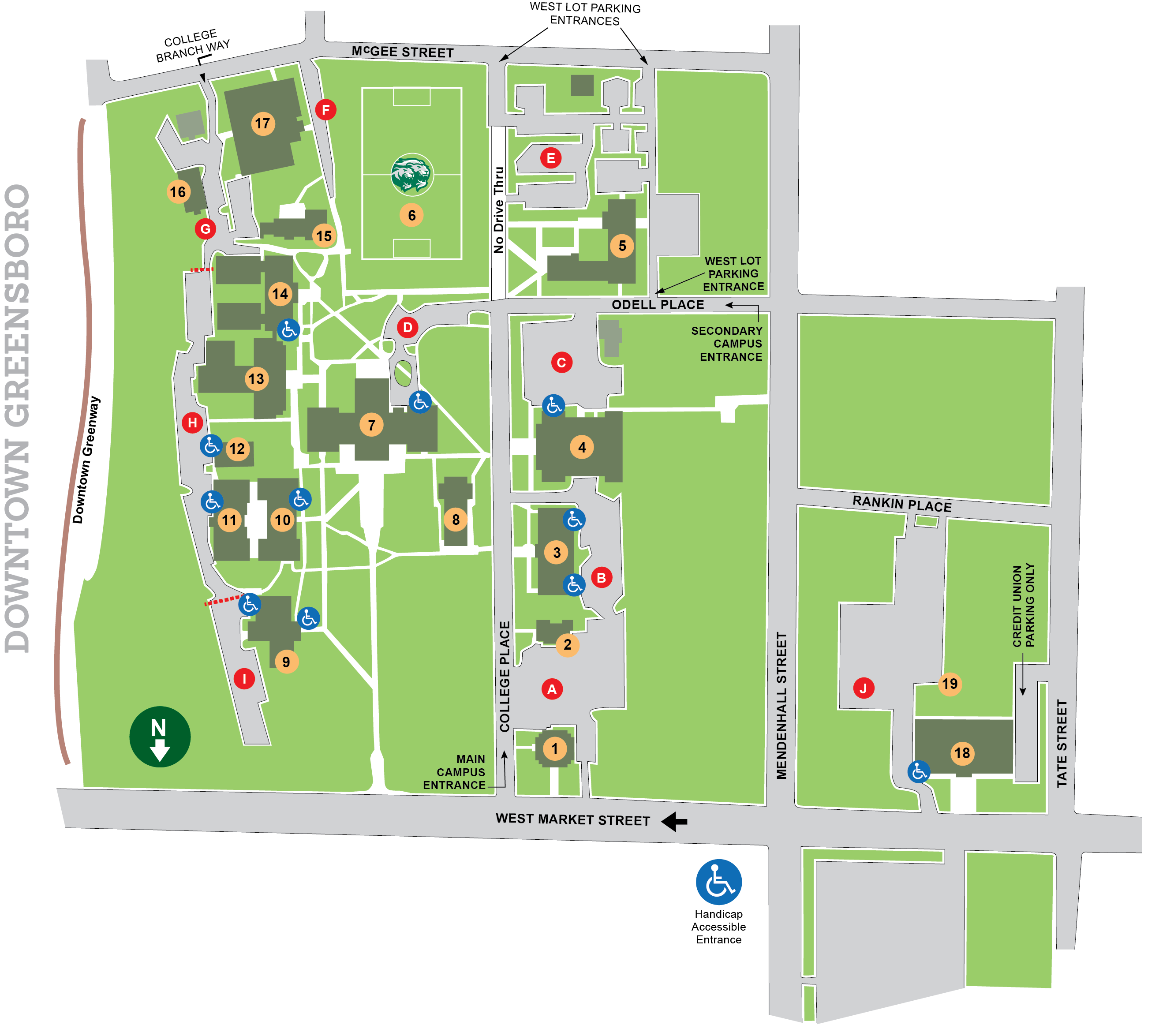
Life on Greensboro College's small campus is marketed as conveniently accessible, with students having easy reach of all campus opportunities, services, and resources. A majority of students—58%—live in college-owned, -operated, or -affiliated housing, while 42% live off-campus. The Office of Residence Life states its mission is to provide a "focused living and learning environment dedicated to safety, community, and education." Beyond housing, the college offers a variety of student activities and clubs, including athletics, theater, and a Greek life system that functions more like social clubs than traditional sororities and fraternities. This description suggests a low-pressure, inclusive approach to Greek life. The compact campus and residential focus aim to foster a close-knit community experience for undergraduates.
Student outcomes at Greensboro College present a mixed picture, with graduation rates below national averages for private non-profit universities and modest early-career earnings. The four-year graduation rate is reported variably across sources, with figures of 35%, 37%, 40%, and 44% all cited. The six-year graduation rate is similarly reported between 47% and 59%. These figures are contextualized by one source noting that the average six-year rate is 59% for private non-profit universities, suggesting Greensboro College's rates may lag behind its sector peers. Post-graduation, the median salary for graduates six years after entry is reported as $36,462. A first-year retention rate of 66% is also noted, indicating a significant portion of the incoming class does not return for a second year. These metrics underscore the challenges the college faces in shepherding its students from enrollment to degree completion and into the workforce.
Greensboro College's stated for tuition, fees, room, and board is $39,978, with tuition and fees alone totaling $21,660. However, the college appears to be aggressive with financial aid, leading to a significantly lower for most students. Multiple sources cite a high percentage of full-time, first-year undergraduates receiving grant or scholarship aid, with figures of 99% and 100% reported. The average aid package is noted as $19,562. The net price—the cost after aid—is reported with some variance: one source lists it as $25,438, while another cites $19,783. The college offers a Pride Grant for traditional undergraduates who demonstrate financial need based on the FAFSA. The financial aid process includes loan options, as evidenced by a parent's question on social media about a $5,500 loan included in a financial aid package. The college strongly recommends filing the FAFSA to maximize aid eligibility. There is no indication in the provided sources that Greensboro College has a "no-loan" policy or meets 100% of demonstrated financial need without loans.
Greensboro College stands out not for elite selectivity or headline-grabbing outcomes, but for its deliberate identity as a small, supportive, and accessible liberal arts college. Its 10:1 student-faculty ratio and emphasis on "personalized support" from professors and advisors form the core of its value proposition, creating an environment where students are not anonymous. This is exemplified in programs like teacher education, which receives specific praise for being "outstanding" and involving numerous hands-on internships. The college embraces its role as an opportunity provider, with a high and widespread financial aid distribution (99-100% of first-years receive grants/scholarships). While it grapples with retention and graduation rates common to many open-access institutions, it offers a distinct, community-focused alternative to larger, more impersonal universities, particularly for students who thrive with close guidance and a practical, career-oriented liberal arts curriculum in an urban setting.
Greensboro College seal · sourceAbout Greensboro College | Greensboro College · sourceCampus Map | Greensboro College · sourceGreensboro College | Graduate Ready For Anything · source