Loading…
← All schools
Harcum College
Bryn Mawr, PAprivate nonprofitharcum.edu
Avg net price
$24,776
Earnings (10 yr)
$46,827
Acceptance & SAT from Common Data Set / IPEDS; net price, earnings & graduation from the U.S. Dept. of Education College Scorecard. Figures lag ~1–2 years — verify with the school.
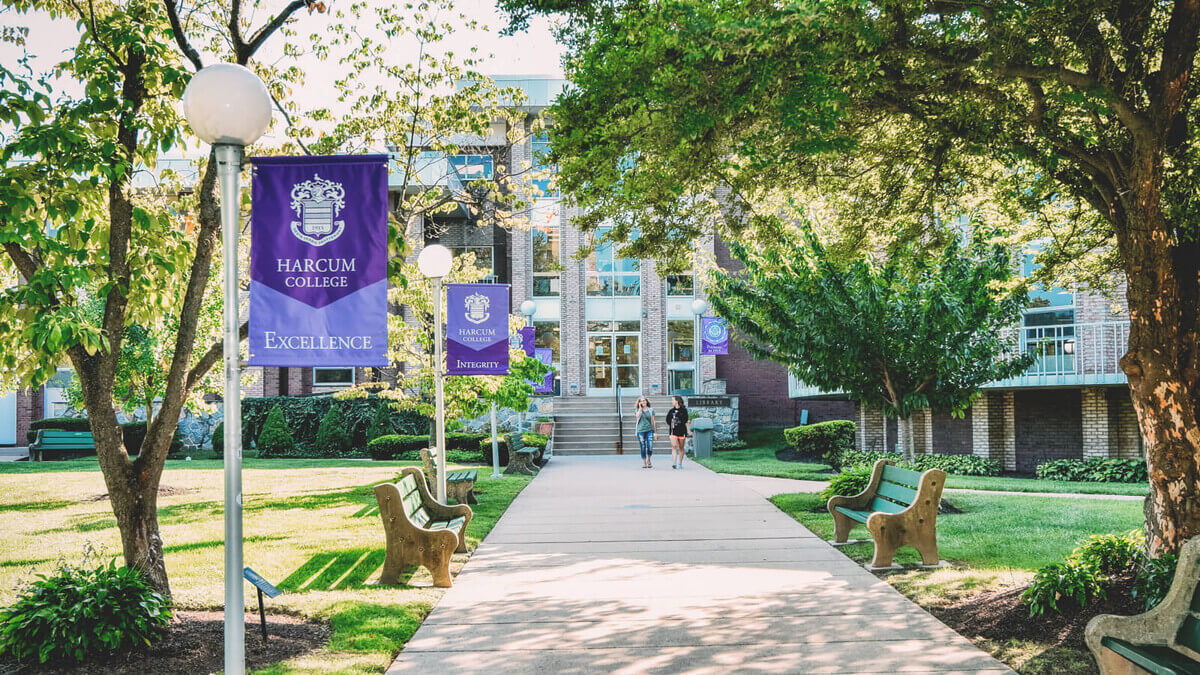
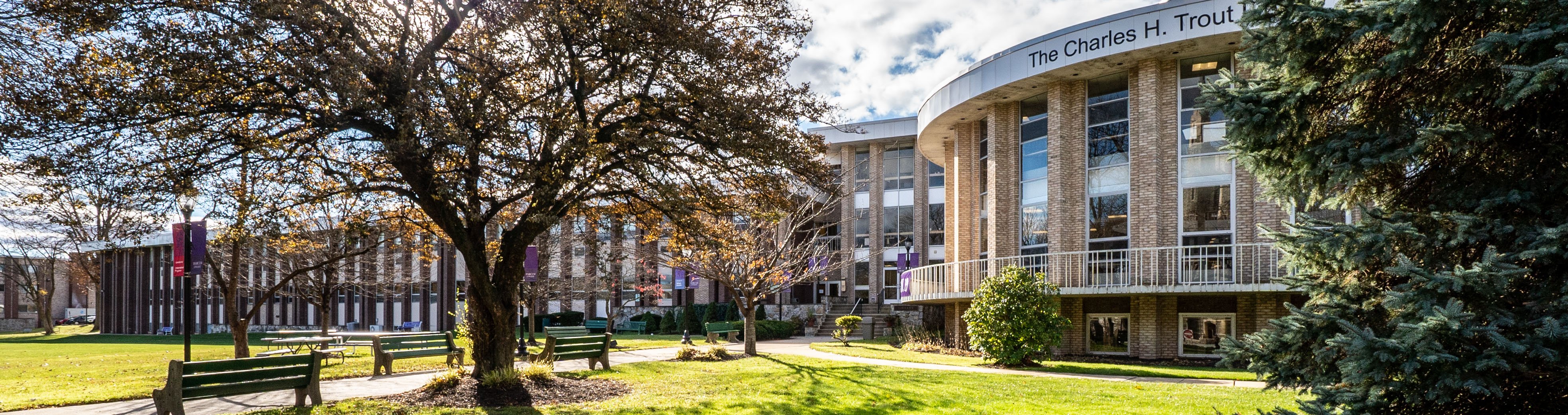
Harcum College is a small, private two-year institution in Bryn Mawr, Pennsylvania, that operates with a distinctly open-access mission. It functions as a critical launchpad, offering career-focused associate degrees with a heavy emphasis on hands-on practicums and internships, particularly in fields like Human Services, Early Childhood Education, and Animal Center Management. The vibe is supportive and practical, with a student body heavily drawn from the Philadelphia metro area and a financial aid office that works to make it accessible to nearly all who enroll.
More details
- Undergrad enrollment
- 876
- In-state tuition
- $32,000
- Out-of-state tuition
- $32,000
- Location
- Bryn Mawr, PA
- Top Majors
- Agriculture, Human Services, Early Childhood Education
- Regional Focus
- 91% of PA students from 5-county Philly area
- Institution Type
- Private, 2-year
- Student-Faculty Ratio
- 7:1
- Median Earnings (10yr)
- $46,827
- Financial Aid Recipients
- 92% of freshmen
Outcomes & value
Outcomes & value
- Median earnings (10 yr)
- $46,827
- Value (earnings ÷ net price)
- 1.9×
- Median debt at graduation
- $18,440
- Reducing loan balance (3 yr)
- 40%
- Pell (lower-income) share
- 55%
- First-gen share (among federal-aid recipients)
- 52%
Earnings = median of students working ~10 years after entry; debt = median of graduates. Value divides 10-yr earnings by one year’s net price — read it as earnings per dollar of annual cost, not a full lifetime ROI; it favors lower-cost schools. Source: U.S. Dept. of Education College Scorecard. Figures lag ~2 years and reflect all students, not your intended major.
Financial health
2.2 / 3.0Meets the federal financial-responsibility standard
U.S. Dept. of Education Financial Responsibility Composite Score (FY2022-23). Scale −1.0 to 3.0; ≥1.5 meets the standard. Reported for private nonprofit & for-profit institutions only — public universities are state-backed and not scored, so this is a stability signal, not a ranking.
Campus & location
Campus safety
- On-campus violent crimes (2024)
- 1
On-campus criminal offenses classed as violent (murder/non-negligent manslaughter, rape, robbery, aggravated assault) for the most recent reported year. Source: U.S. Dept. of Education Campus Safety and Security (Clery Act). Counts reflect what’s reported to the school, and urban campuses often report more partly due to non-student incidents nearby — read alongside campus size and setting, not as a standalone safety verdict.
Climate
- Pleasant days / yr
- 90
- Summer high
- 85°F
- Winter low
- 30°F
- Annual rain
- 51.3"
- Annual snow
- 14.6"
- Natural-hazard risk
- Relatively High
Pleasant days counts days per year with a mean temperature of 55–75°F, a high at or below 90°F, a low at or above 45°F, and little precipitation — a transparent comfort measure, not a weighting we invented. Computed from Open-Meteo ERA5 daily history (2019–2023). Natural-hazard risk is the county’s composite rating from the FEMA National Risk Index.
Deep dive — research, future-scholar output & economic mobility
Research output
- Institutional h-index
- 10
- Scholarly works
- 32
Institutional research volume and impact from OpenAlex. The h-index reflects large research universities and will be low for teaching-focused liberal-arts colleges — not a measure of undergraduate quality.
Economic mobility
- Mobility rate
- 0.4%
- Bottom → top quintile
- 5%
- From bottom quintile
- 9%
Mobility rate = the share of students who both start in the bottom household-income quintile and reach the top quintile; bottom → top is that chance conditional on starting at the bottom. Source: Opportunity Insights Mobility Report Cards (Chetty, Friedman, Saez, Turner & Yagan). Reflects 1980–82 birth cohorts, so it’s directional, not current.
Quick answers
- How much does Harcum College cost?
- At Harcum College, the average net price (after aid) is about $24,776 per year. Actual cost varies with financial aid and residency.
- How many undergraduates attend Harcum College?
- Harcum College enrolls approximately 876 undergraduate students.
- Where is Harcum College located?
- Harcum College is located in Bryn Mawr, PA.
Admissions
Harcum College practices a highly accessible, open-enrollment admissions policy. The process is rolling, meaning applications are reviewed as they are received, and acceptance is based on a of required documents like high school transcripts, GPA, and essays, with the college also offering its own assessment exam for evaluation. Published vary significantly by source, from 68% to 100%, indicating a non-selective, inclusive approach where admission is likely for most applicants. The college does not appear to have an Early Decision program, and the provided sources do not indicate that demonstrated interest is a formal factor in admissions decisions. The student body is overwhelmingly Pennsylvanian, with 91% of in-state students in Fall 2023 coming from just five counties: Philadelphia (43%), Delaware (19%), Chester (13%), Montgomery (12%), and Bucks (4%).
- Admissions Policy: Rolling admissions and open enrollment.
- Primary Factors: High school transcripts, GPA, essays, and/or the Harcum assessment exam.
- Geographic Draw: Heavily regional, serving the Greater Philadelphia area.
Compare Harcum College
See colleges similar to Harcum College →Sources
- Consumer Information
- Common Data Set: Home
- Common Data Set 202
- Common Data Set | Institutional Research
- How To Use a Common Data Set
- The Common Data Set: What It Is & How to Use It In ...
- Harcum College - Admissions Chances & Data
- ADMISSIONS REQUIREMENTS
- Harcum College
- Harcum College - Tuition and Acceptance Rate
- Harcum College Admissions - BigFuture College Search
- Harcum College — Admissions, Tuition & Acceptance Rate