Loading…
← All schools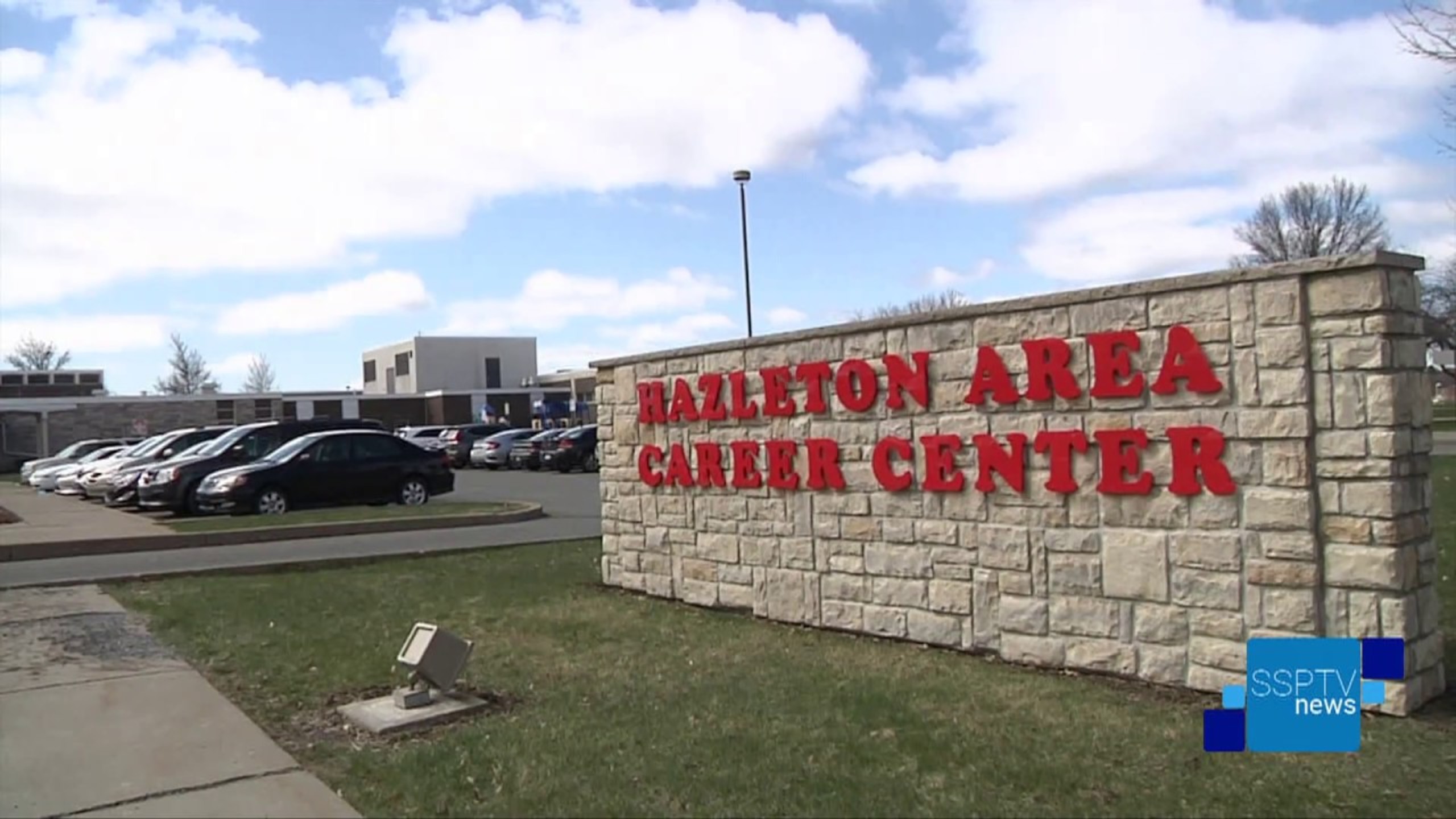
Hazleton Area Career Center
Hazle TWP., PApublichasdk12.org
Hazleton Area Career Center is not a traditional university but a public, less-than-two-year technical school embedded within the Hazleton Area School District. Its singular focus is on delivering immediate, hands-on career training—primarily through its Practical Nursing program and a suite of high school-level Career & Technical Education (CTE) tracks—to a small, local student body. This is a place where the classroom-to-career pipeline is short, direct, and built on mastering tangible skills, not on a liberal arts curriculum.
More details
- Undergrad enrollment
- 7
- Student Body
- Commuter, very small enrollment
- Institution Type
- Public, less-than-2-year
- Median Earnings (10yr)
- $49,311
- Average Annual Aid Awarded
- $3,487
- Primary Post-Secondary Program
- Practical Nursing
Outcomes & value
Outcomes & value
- Median earnings (10 yr)
- $49,311
- Reducing loan balance (3 yr)
- 43%
- Pell (lower-income) share
- 86%
Earnings = median of students working ~10 years after entry; debt = median of graduates. Value divides 10-yr earnings by one year’s net price — read it as earnings per dollar of annual cost, not a full lifetime ROI; it favors lower-cost schools. Source: U.S. Dept. of Education College Scorecard. Figures lag ~2 years and reflect all students, not your intended major.
Campus & location
Campus safety
- On-campus violent crimes (2024)
- 0
On-campus criminal offenses classed as violent (murder/non-negligent manslaughter, rape, robbery, aggravated assault) for the most recent reported year. Source: U.S. Dept. of Education Campus Safety and Security (Clery Act). Counts reflect what’s reported to the school, and urban campuses often report more partly due to non-student incidents nearby — read alongside campus size and setting, not as a standalone safety verdict.
Climate
- Pleasant days / yr
- 104
- Summer high
- 78°F
- Winter low
- 24°F
- Annual rain
- 39.7"
- Annual snow
- 35.3"
- Natural-hazard risk
- Relatively Moderate
Pleasant days counts days per year with a mean temperature of 55–75°F, a high at or below 90°F, a low at or above 45°F, and little precipitation — a transparent comfort measure, not a weighting we invented. Computed from Open-Meteo ERA5 daily history (2019–2023). Natural-hazard risk is the county’s composite rating from the FEMA National Risk Index.
Quick answers
- How many undergraduates attend Hazleton Area Career Center?
- Hazleton Area Career Center enrolls approximately 7 undergraduate students.
- Where is Hazleton Area Career Center located?
- Hazleton Area Career Center is located in Hazle TWP., PA.
Admissions
Admissions at Hazleton Area Career Center operate on a fundamentally different model than a selective college. The institution has an open admission policy, with sources citing a 100% . This aligns with the definition of open admission, where virtually all secondary school graduates or students with GED equivalency are admitted. For its flagship Practical Nursing program, however, there are specific actionable requirements beyond the open door: applicants must possess a high school diploma or GED and must take and achieve a passing score on the ATI TEAS pre-entrance exam. The process is not about or competitive selection for general enrollment; it's about meeting baseline qualifications for specific, credential-focused training programs. Standardized test scores like the SAT or ACT are not cited as requirements for admission.
Academics
Academics are exclusively career-oriented and practical. The school offers a single post-secondary major: the Practical Nursing program. This defines the center's identity for its adult and post-high school students. Concurrently, it serves as the Career & Technical Education (CTE) hub for the Hazleton Area School District, providing high school students with programs in fields like Automotive Technology, Computer Aided Drafting (CAD), and Collision Repair. The district's stated philosophy places a "strong emphasis on career awareness," and the Career Center is the physical manifestation of that goal. Instruction is hands-on and directly tied to industry standards and certifications, with the explicit aim of preparing students for immediate employment or further specialized training. There is no mention of general education requirements, humanities courses, or a broad collegiate curriculum; the focus is on skill acquisition for specific trades and professions.
Compare Hazleton Area Career Center
vs United States Coast Guard Academyvs SUNY College at Potsdamvs Thaddeus Stevens College of Technologyvs Coppin State University
See colleges similar to Hazleton Area Career Center →Sources
- Common Data Set: Home
- common-data-set-2024-2025.pdf - Chestertown
- Common Data Set 2024-2025
- How To Use a Common Data Set
- Common Data Set
- Useful Resource: a Repository of Common Data Set
- Hazleton Area Career Center Acceptance Rate, SAT, GPA & ACT ...
- Hazleton Area Career Center - Niche
- Admission Requirements | Hazleton Area Career Center
- Hazleton Area Career Center - BigFuture College Search