Loading…
← All schools
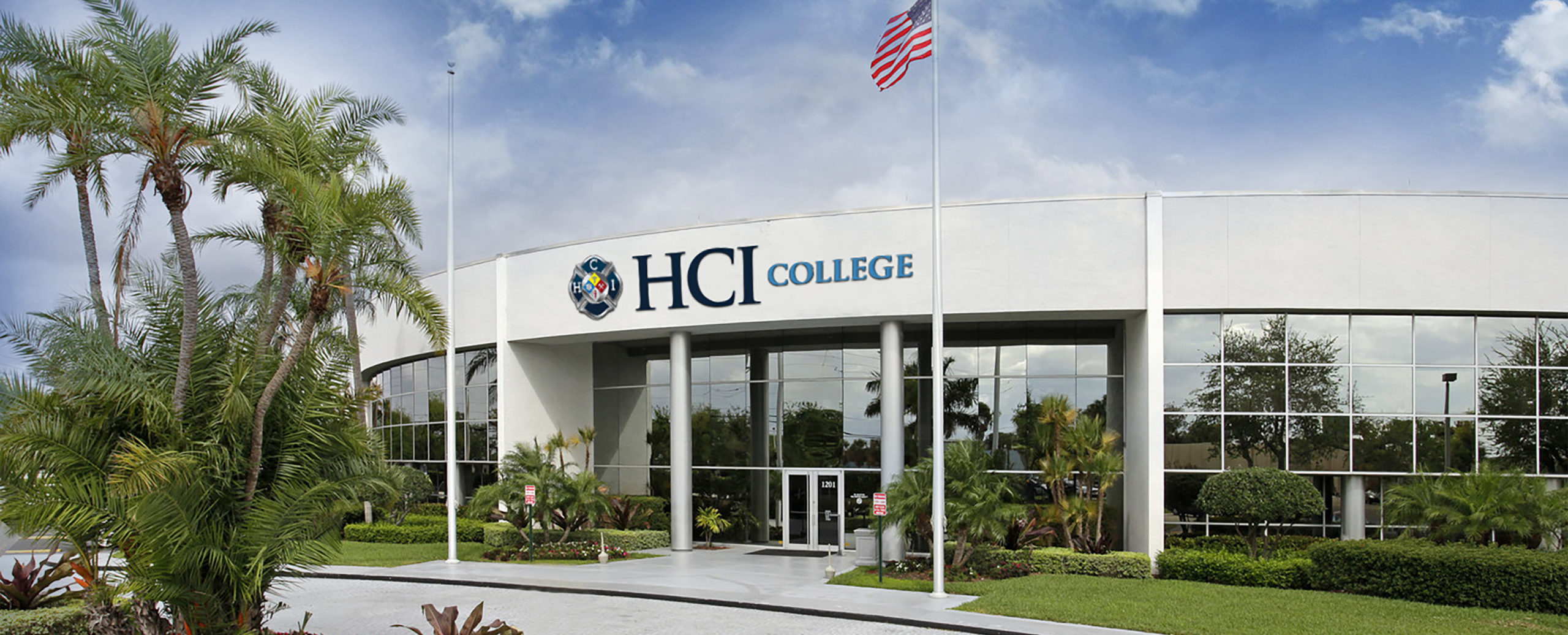
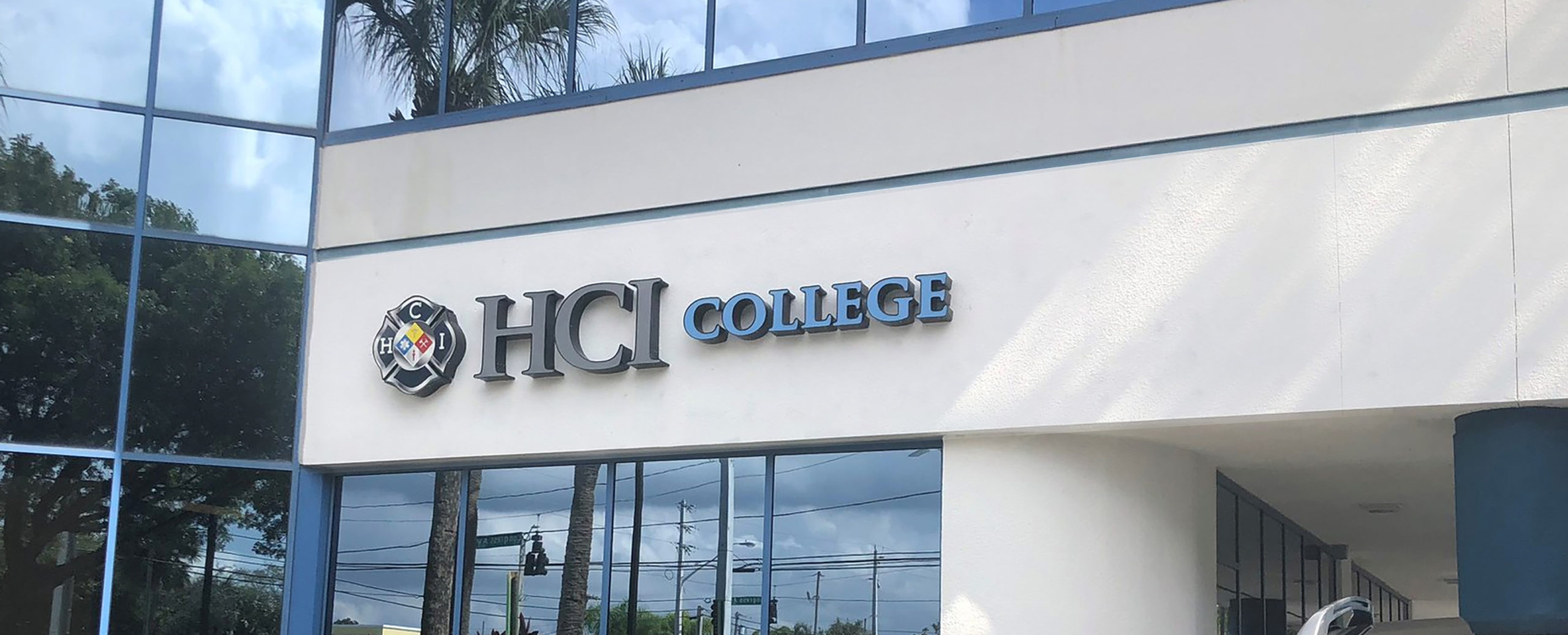
HCI College
West Palm Beach, FLprivate forprofitwww.hci.edu/
HCI College is a hyper-focused, for-profit career institute in West Palm Beach, Florida, that operates with the single-minded efficiency of a trade school. It exists to funnel students directly into specific healthcare support roles—nursing, medical assisting, veterinary assisting—through accelerated, hands-on programs with a student-faculty ratio of 4:1. The vibe is pragmatic and transactional: small classes, flexible schedules, and a clear, if narrow, path from application to licensure, reflected in its high acceptance rate and a stark focus on vocational outcomes over traditional collegiate life.
Admission requirements
Test-blind — scores not considered
Required
- Demonstrated competencies
Source: IPEDS Admissions survey (2022) via Urban Institute. Covers formal factors only — it does not reflect essays, extracurriculars, or other holistic criteria.
More details
- Undergrad enrollment
- 166
- In-state tuition
- $20,838
- Out-of-state tuition
- $20,838
- Popular Majors
- Nursing, Veterinary Assisting, Medical Assisting
- Student-Faculty Ratio
- 4:1
- On-Time Graduation Rate
- 100%
- Average Total Aid Awarded
- $5,138
- Median Earnings (1yr after graduation)
- $36,427
Outcomes & value
Outcomes & value
- Median debt at graduation
- $24,149
- Pell (lower-income) share
- 64%
Earnings = median of students working ~10 years after entry; debt = median of graduates. Value divides 10-yr earnings by one year’s net price — read it as earnings per dollar of annual cost, not a full lifetime ROI; it favors lower-cost schools. Source: U.S. Dept. of Education College Scorecard. Figures lag ~2 years and reflect all students, not your intended major.
Campus & location
Campus safety
- On-campus violent crimes (2024)
- 0
On-campus criminal offenses classed as violent (murder/non-negligent manslaughter, rape, robbery, aggravated assault) for the most recent reported year. Source: U.S. Dept. of Education Campus Safety and Security (Clery Act). Counts reflect what’s reported to the school, and urban campuses often report more partly due to non-student incidents nearby — read alongside campus size and setting, not as a standalone safety verdict.
Climate
- Pleasant days / yr
- 102
- Summer high
- 87°F
- Winter low
- 65°F
- Annual rain
- 50.9"
- Natural-hazard risk
- Relatively High
Pleasant days counts days per year with a mean temperature of 55–75°F, a high at or below 90°F, a low at or above 45°F, and little precipitation — a transparent comfort measure, not a weighting we invented. Computed from Open-Meteo ERA5 daily history (2019–2023). Natural-hazard risk is the county’s composite rating from the FEMA National Risk Index.
Quick answers
- How much does HCI College cost?
- At HCI College, the average net price (after aid) is about $35,425 per year. Actual cost varies with financial aid and residency.
- How many undergraduates attend HCI College?
- HCI College enrolls approximately 166 undergraduate students.
- Where is HCI College located?
- HCI College is located in West Palm Beach, FL.
Admissions
Admissions at HCI College is a straightforward, high-volume process geared toward accessibility for career-changers and those seeking fast-track vocational training. The school is not selective in the traditional collegiate sense; its is reported as 47%, and over a seven-year period, the average rate has been 76.55%. For a recent cycle, out of 268 applicants, 226 were accepted, and 218 enrolled, indicating a very high and a student body primarily composed of those who have already decided HCI is their destination.
The application process is utilitarian: prospective students download an application from the HCI website, submit it with a fee, and then contact the school to schedule an interview or next steps. There is no mention of standardized test requirements or a ; the emphasis appears to be on meeting basic program prerequisites and a desire to enter the healthcare field. The school does not participate in Early Decision or Early Action programs common to selective liberal arts colleges, and demonstrated interest is not a factor—this is a direct-to-consumer model of higher education.
Compare HCI College
vs Emory University-Oxford Collegevs Fisk Universityvs Queens University of Charlottevs Hampden-Sydney College
See colleges similar to HCI College →Sources
- Common Data Set: Home
- How To Use a Common Data Set - The College Solution
- Common Data Set - GradGPT
- Where to find Common Data Set (CDS) for college admission statistics
- Demystifying the Common Data Set - Top Tier Admissions
- [PDF] University of California, Riverside - Common Data Set 2023-24
- HCI College
- HCI College, West Palm Beach - Tuition and Acceptance ...
- Admissions & How to Apply in South Florida
- HCI Acceptance Rate: Trends & Admission Statistics
- HCI College - Fort Lauderdale Campus Acceptance Rate