Loading…
← All schools
Helms College
Augusta, GAprivate nonprofitwww.helms.edu/
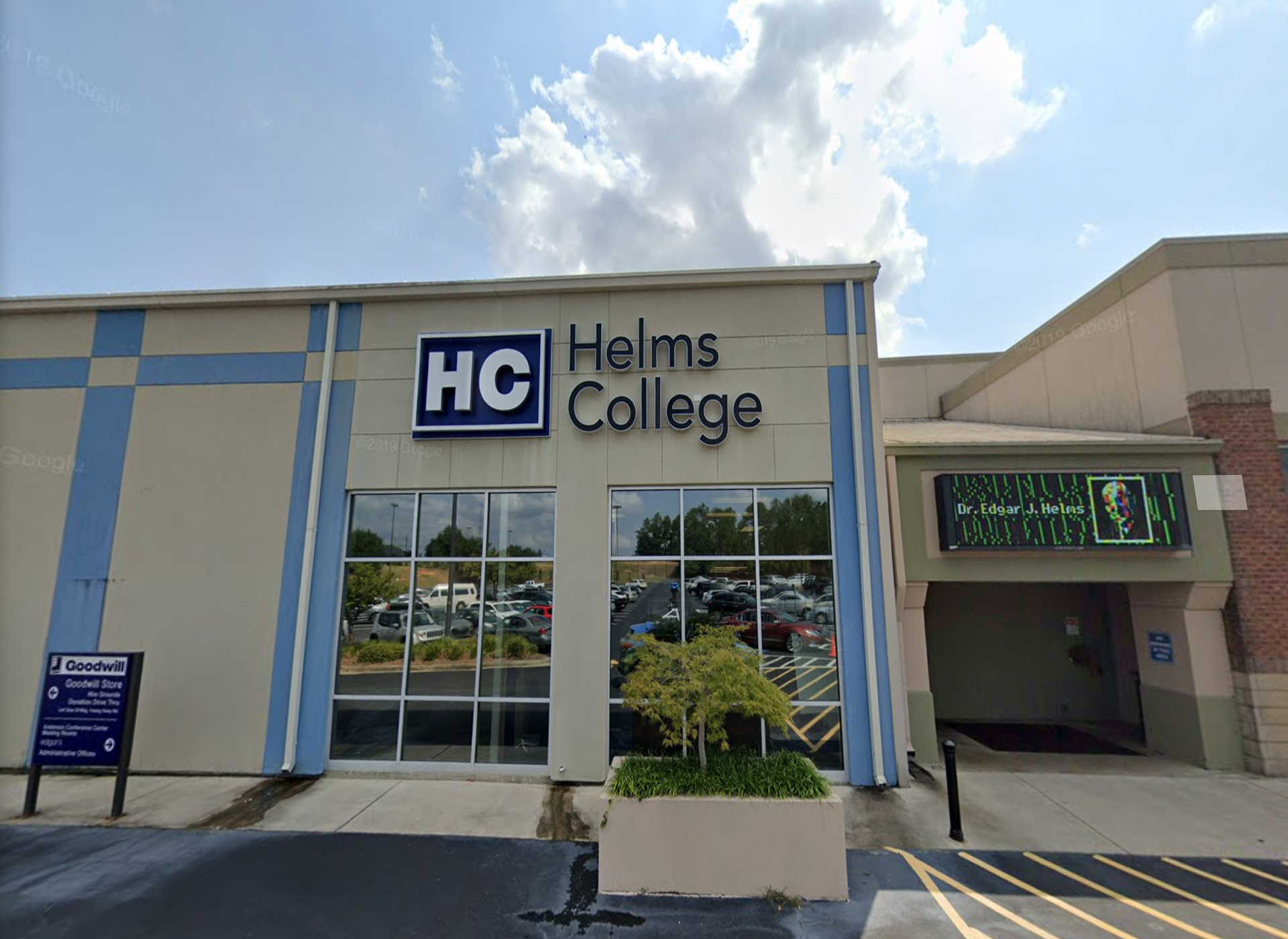
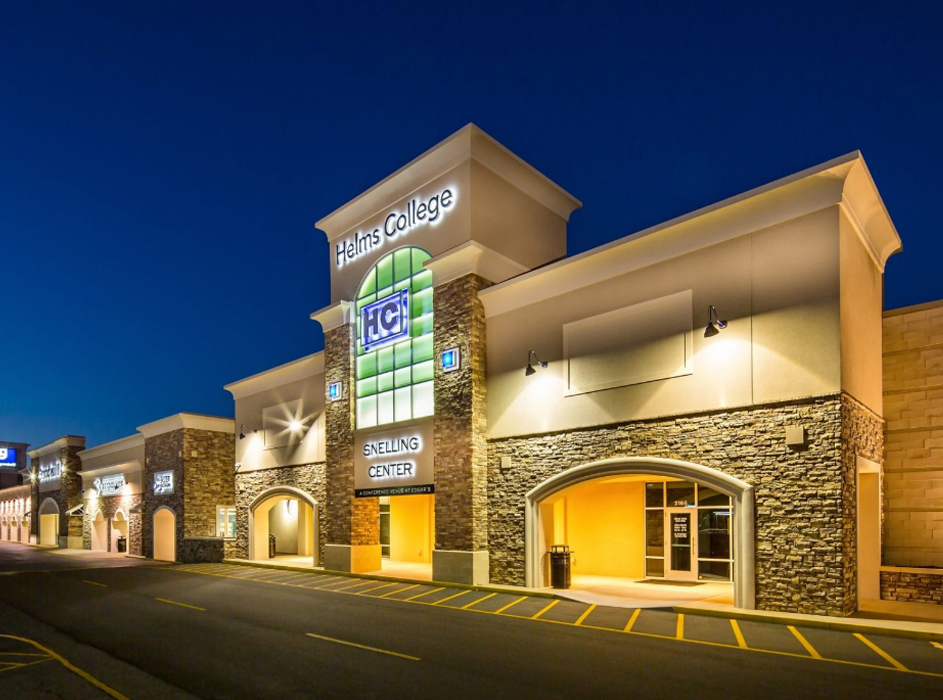
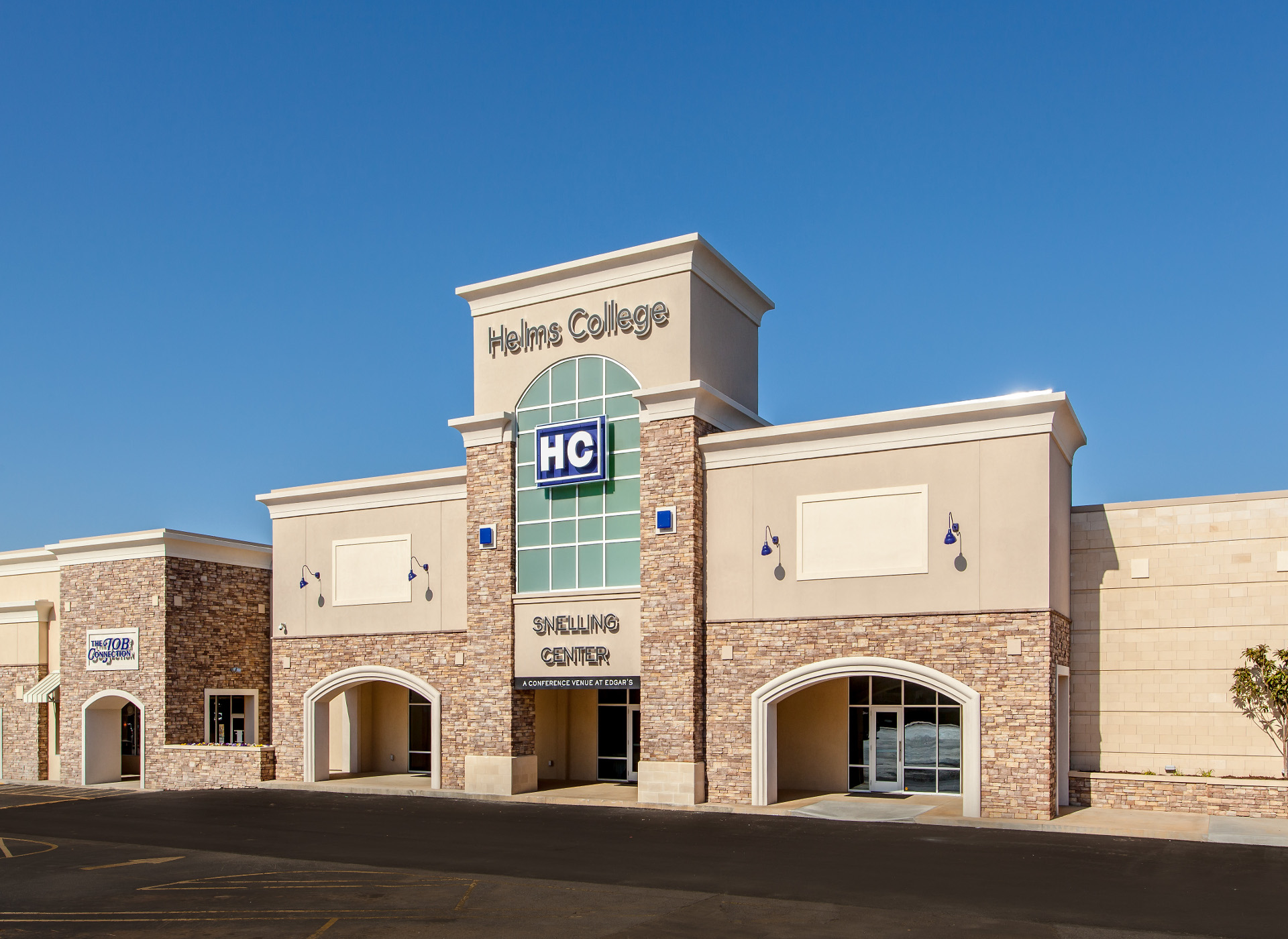
Helms College isn't your typical liberal arts campus; it's a tightly focused, nationally accredited career training engine operating in Augusta and Macon, Georgia. With a laser focus on practical, in-demand fields like culinary arts, HVAC/R, and medical assisting, the school functions more like a professional launchpad than a traditional college, boasting completion and job placement rates that would be the envy of many institutions. Operated by Goodwill of Middle Georgia, its mission is explicitly about economic mobility, helping students 'forge their own path for career success' with a no-frills, hands-on approach.
More details
- Undergrad enrollment
- 183
- In-state tuition
- $17,924
- Out-of-state tuition
- $17,924
- Completion Rate
- 81.29%
- Academic Calendar
- Quarter-based
- First-Year Retention
- 86.7%
- Student-Faculty Ratio
- 14:1
- Highest Degree Offered
- Associate Degree
- Graduate Placement Rate
- 80.72%
Outcomes & value
Outcomes & value
- Median debt at graduation
- $9,500
- Reducing loan balance (3 yr)
- 19%
- Pell (lower-income) share
- 67%
- First-gen share (among federal-aid recipients)
- 47%
Earnings = median of students working ~10 years after entry; debt = median of graduates. Value divides 10-yr earnings by one year’s net price — read it as earnings per dollar of annual cost, not a full lifetime ROI; it favors lower-cost schools. Source: U.S. Dept. of Education College Scorecard. Figures lag ~2 years and reflect all students, not your intended major.
Financial health
2.5 / 3.0Meets the federal financial-responsibility standard
U.S. Dept. of Education Financial Responsibility Composite Score (FY2022-23). Scale −1.0 to 3.0; ≥1.5 meets the standard. Reported for private nonprofit & for-profit institutions only — public universities are state-backed and not scored, so this is a stability signal, not a ranking.
Campus & location
Campus safety
- On-campus violent crimes (2024)
- 0
On-campus criminal offenses classed as violent (murder/non-negligent manslaughter, rape, robbery, aggravated assault) for the most recent reported year. Source: U.S. Dept. of Education Campus Safety and Security (Clery Act). Counts reflect what’s reported to the school, and urban campuses often report more partly due to non-student incidents nearby — read alongside campus size and setting, not as a standalone safety verdict.
Climate
- Pleasant days / yr
- 120
- Summer high
- 90°F
- Winter low
- 42°F
- Annual rain
- 33.2"
- Natural-hazard risk
- Relatively Moderate
Pleasant days counts days per year with a mean temperature of 55–75°F, a high at or below 90°F, a low at or above 45°F, and little precipitation — a transparent comfort measure, not a weighting we invented. Computed from Open-Meteo ERA5 daily history (2019–2023). Natural-hazard risk is the county’s composite rating from the FEMA National Risk Index.
Quick answers
- How much does Helms College cost?
- At Helms College, the average net price (after aid) is about $25,358 per year. Actual cost varies with financial aid and residency.
- How many undergraduates attend Helms College?
- Helms College enrolls approximately 183 undergraduate students.
- Where is Helms College located?
- Helms College is located in Augusta, GA.
Admissions
The admissions process at Helms College is decidedly pragmatic and accessible, reflecting its mission as a career-training institution rather than a selective liberal arts college. While specific application numbers and a precise are not detailed in the provided sources, the process is described as having 'test requirements that focus on each student's' individual situation, and notably, there is no application fee. This suggests a rolling, open-enrollment style approach geared toward adult learners and career-changers rather than a high-stakes, cyclical admissions cycle typical of four-year schools. The school's contact information is prominently provided for prospective students with questions, emphasizing a supportive, guiding role in the admissions process. There is no indication of an Early Decision program or that demonstrated interest is a considered factor, aligning with its practical, outcomes-oriented ethos.
Academics
Academics at Helms College are unapologetically vocational, structured around quarter-based terms and designed for swift entry into specific trades. The institution offers certificates, diplomas, and associate degrees, with the highest degree offered being an associate degree. The student-faculty ratio is a notably low 14-to-1, which supports the hands-on, skill-based training that defines its programs. The curriculum is dominated by a few key, high-demand fields: Culinary Arts and Food Service is by far the most popular major, with 96 degrees awarded according to one data source, followed by Medical Assistant (11 graduates) and HVAC and Refrigeration (categorized under Mechanical Technologies, with 7 degrees). In essence, Helms College specializes in three core areas: Personal & Culinary Services, Mechanical Technologies (like HVAC), and Health services. This is not a place for exploring esoteric humanities disciplines; it's for mastering a tangible, marketable craft.
Compare Helms College
See colleges similar to Helms College →Sources
- Common Data Set: Home
- Common Data Set 2022-2023
- How To Use a Common Data Set
- Decoding the Common Data Set What You Need to Know for ...
- The Common Data Set: What It Is & How to Use It In ...
- Common Data Set - Data, Analytics & Institutional Research
- Admissions & Aid - Helms College
- Helms College Admissions Statistics & Acceptance Rate
- Helms College - Admissions - MeetYourClass
- Helms College Granted Full Five-Year Accreditation by ACCET ...
- Class Profile - Franklin and Marshall College