Loading…
← All schools
House of Heavilin Beauty College-Kansas City
Kansas City, MOprivate forprofitkc-hair.com/
Avg net price
$26,726
Earnings (10 yr)
$17,269
Acceptance & SAT from Common Data Set / IPEDS; net price, earnings & graduation from the U.S. Dept. of Education College Scorecard. Figures lag ~1–2 years — verify with the school.
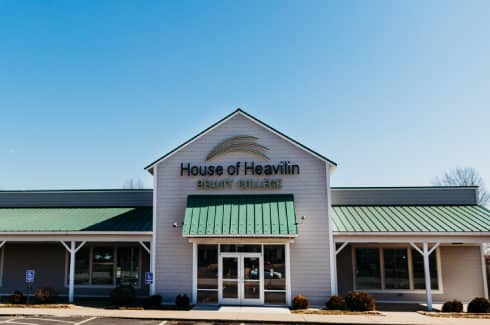
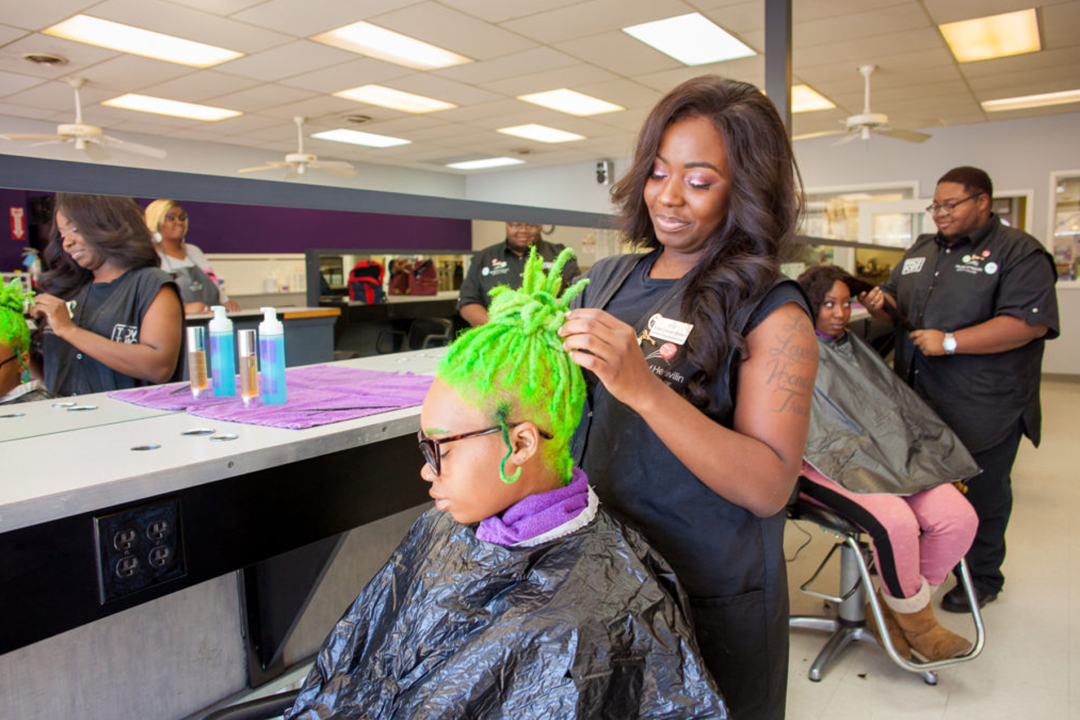
House of Heavilin Beauty College-Kansas City is not a traditional liberal arts college but a specialized, single-purpose trade school that has been training Kansas City-area stylists for over 70 years. It operates with an open-admissions philosophy, accepting all applicants into its hands-on cosmetology, barbering, and esthetics programs, and functions more like a focused apprenticeship than a residential campus. The experience is defined by its small, career-oriented student body, urban Kansas City setting, and a direct path into the beauty industry, though post-graduation earnings and debt outcomes present a significant financial consideration for prospective students.
More details
- Undergrad enrollment
- 55
- Year Founded
- 1953
- Urban Setting
- Yes
- Graduation Rate
- 44%
- Median Earnings (10yr)
- $17,269
- Financial Aid Recipients
- 96% of first-year students
- Student-to-Faculty Ratio
- 25:1
Outcomes & value
Outcomes & value
- Median earnings (10 yr)
- $17,269
- Value (earnings ÷ net price)
- 0.6×
- Median debt at graduation
- $13,102
- Pell (lower-income) share
- 71%
Earnings = median of students working ~10 years after entry; debt = median of graduates. Value divides 10-yr earnings by one year’s net price — read it as earnings per dollar of annual cost, not a full lifetime ROI; it favors lower-cost schools. Source: U.S. Dept. of Education College Scorecard. Figures lag ~2 years and reflect all students, not your intended major.
Campus & location
Campus safety
- On-campus violent crimes (2024)
- 0
On-campus criminal offenses classed as violent (murder/non-negligent manslaughter, rape, robbery, aggravated assault) for the most recent reported year. Source: U.S. Dept. of Education Campus Safety and Security (Clery Act). Counts reflect what’s reported to the school, and urban campuses often report more partly due to non-student incidents nearby — read alongside campus size and setting, not as a standalone safety verdict.
Climate
- Pleasant days / yr
- 80
- Summer high
- 87°F
- Winter low
- 26°F
- Annual rain
- 38.4"
- Annual snow
- 18.6"
- Natural-hazard risk
- Relatively High
Pleasant days counts days per year with a mean temperature of 55–75°F, a high at or below 90°F, a low at or above 45°F, and little precipitation — a transparent comfort measure, not a weighting we invented. Computed from Open-Meteo ERA5 daily history (2019–2023). Natural-hazard risk is the county’s composite rating from the FEMA National Risk Index.
Quick answers
- How much does House of Heavilin Beauty College-Kansas City cost?
- At House of Heavilin Beauty College-Kansas City, the average net price (after aid) is about $26,726 per year. Actual cost varies with financial aid and residency.
- How many undergraduates attend House of Heavilin Beauty College-Kansas City?
- House of Heavilin Beauty College-Kansas City enrolls approximately 55 undergraduate students.
- Where is House of Heavilin Beauty College-Kansas City located?
- House of Heavilin Beauty College-Kansas City is located in Kansas City, MO.
Admissions
House of Heavilin Beauty College-Kansas City maintains an open admission policy, accepting 100% of applicants. This is a school with no selective barrier to entry; the admissions process is designed to be accessible to motivated individuals seeking vocational training. As a result, conventional admissions metrics like standardized test scores, GPA, class rank, or demonstrated interest are not considered—the focus is on readiness for a hands-on program. The institution is tiny, with a full-time undergraduate enrollment reported at 55 students, and it appears to have no part-time enrollment. This creates an intimate, cohort-based learning environment from day one.
Academics
The academic offering is laser-focused on the beauty trades. The college provides comprehensive training in just three major areas: Cosmetology, Barbering, and Cosmetology Instruction and Salon Management. Founded in 1953, it bills itself as the cornerstone of cosmetology education in the Kansas City area, offering programs for individuals who want to spend their days making people feel beautiful. The student-to-faculty ratio is 25:1, which, for a hands-on skills program, suggests a practical, workshop-style instructional environment. There is no mention of general education curriculum, electives, or traditional academic majors; the education is entirely vocational and designed to meet state licensing requirements.
Compare House of Heavilin Beauty College-Kansas City
vs Hillsdale Collegevs United States Coast Guard Academyvs Grove City Collegevs William Woods University
See colleges similar to House of Heavilin Beauty College-Kansas City →Sources
- Common Data Set - Office of Planning, Analysis and Decision Support
- Common Data Set: Home
- House of Heavilin Beauty College-Kansas City - DFR Report HTML
- House of Heavilin Beauty College-Kansas City - Data USA
- Common Data Set | Institutional Research | Harvey Mudd College
- House of Heavilin Beauty College - Kansas City - Niche
- House Of Heavilin Beauty College Kansas City Admissions
- House of Heavilin Beauty College-Kansas City
- House of Heavilin Beauty College-Kansas City
- - House of Heavilin Beauty College - Esthetics - Cosmetology ...