Loading…
← All schools
ICOHS College
San Diego, CAprivate nonprofiticohs.edu
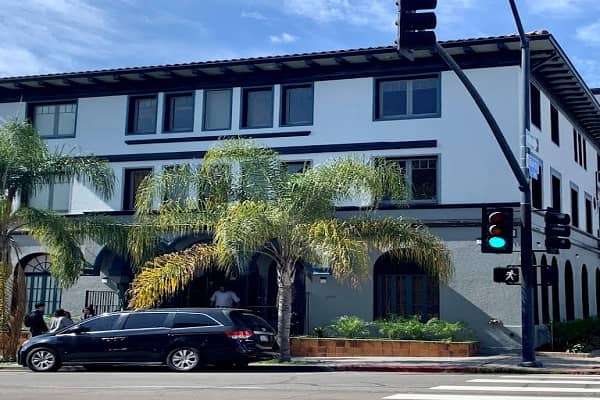
ICOHS College is a small, intensely practical career college in the heart of San Diego, operating with the ethos of a vocational training center rather than a traditional liberal arts institution. It focuses laser-like on delivering industry-aligned certificates and degrees in high-demand fields like IT, AI, and Holistic Health, with an admissions process that prioritizes readiness for its accelerated programs over selective academic metrics. The vibe is urban, no-frills, and transactional, designed for adult learners and career-changers seeking a direct, skills-based path to employment.
More details
- Undergrad enrollment
- 171
- Setting
- Urban (San Diego, CA)
- Top Majors
- Computer Systems Technician, Massage Therapy & Bodywork
- Student-Faculty Ratio
- 13:1
- First-Year Retention Rate
- 85%
- Need-Based Scholarship Offer
- Up to $3,000
- Earnings 1 Year After Graduation
- $36,427
- Earnings 5 Years After Graduation
- $45,519
Outcomes & value
Outcomes & value
- Median debt at graduation
- $6,658
- Pell (lower-income) share
- 33%
Earnings = median of students working ~10 years after entry; debt = median of graduates. Value divides 10-yr earnings by one year’s net price — read it as earnings per dollar of annual cost, not a full lifetime ROI; it favors lower-cost schools. Source: U.S. Dept. of Education College Scorecard. Figures lag ~2 years and reflect all students, not your intended major.
Financial health
0.3 / 3.0Below the federal standard — financial stress
U.S. Dept. of Education Financial Responsibility Composite Score (FY2022-23). Scale −1.0 to 3.0; ≥1.5 meets the standard. Reported for private nonprofit & for-profit institutions only — public universities are state-backed and not scored, so this is a stability signal, not a ranking.
Campus & location
Campus safety
- On-campus violent crimes (2024)
- 0
On-campus criminal offenses classed as violent (murder/non-negligent manslaughter, rape, robbery, aggravated assault) for the most recent reported year. Source: U.S. Dept. of Education Campus Safety and Security (Clery Act). Counts reflect what’s reported to the school, and urban campuses often report more partly due to non-student incidents nearby — read alongside campus size and setting, not as a standalone safety verdict.
Climate
- Pleasant days / yr
- 272
- Summer high
- 75°F
- Winter low
- 47°F
- Annual rain
- 15.1"
- Natural-hazard risk
- Very High
Pleasant days counts days per year with a mean temperature of 55–75°F, a high at or below 90°F, a low at or above 45°F, and little precipitation — a transparent comfort measure, not a weighting we invented. Computed from Open-Meteo ERA5 daily history (2019–2023). Natural-hazard risk is the county’s composite rating from the FEMA National Risk Index.
Quick answers
- How much does ICOHS College cost?
- At ICOHS College, the average net price (after aid) is about $99,682 per year. Actual cost varies with financial aid and residency.
- How many undergraduates attend ICOHS College?
- ICOHS College enrolls approximately 171 undergraduate students.
- Where is ICOHS College located?
- ICOHS College is located in San Diego, CA.
Admissions
The admissions process at ICOHS College is straightforward, non-selective, and designed for accessibility, functioning more like a vocational program enrollment than a competitive college application. Niche reports an of 100%, and the College Board's BigFuture page notes that acceptance rate information is not available, suggesting an open or minimally selective admissions policy. The process is clearly laid out in seven steps, emphasizing help with admissions, need-based scholarships, and financial aid. Prospective students must complete an interview with an admissions representative as a contingent criterion for admission. The school explicitly states that a high school diploma is required and a GED is not accepted for first-time, first-year students. There is no indication that standardized test scores (SAT/ACT) are required or considered; resources instead encourage applicants to compare their GPA and scores to enrolled students. The primary point of contact is the Director of Admissions, reachable by phone or email, and the entire application can be initiated and managed online or via a direct phone call. Demonstrated interest, a factor tracked by many traditional colleges via the (C7), is not a relevant concept here; the process is driven by eligibility and enrollment steps, not institutional courting.
Compare ICOHS College
See colleges similar to ICOHS College →Sources
- Common Data Set 2024-2025 - Institutional Research
- Consumer Disclosure Information of ICOHS College
- 12/31/2024 1770 4th Ave, San Diego, CA 92101
- 7 Easy Steps to Enroll at ICOHS College for a Bright Future
- Apply to Icohs College
- Table of Contents - BPPE
- ICOHS College Admissions - BigFuture College Search
- ICOHS College
- First-Year Class Profile
- ICOHS College Admission, Acceptance Rate, SAT, ACT & ...
- Ratings and Review - ICOHS College