Loading…
← All schools
Inter American University of Puerto Rico-Metro
San Juan, PRprivate nonprofitmetro.inter.edu/
Acceptance
70%
Avg net price
$9,788
Earnings (10 yr)
$30,821
Graduation rate
39%
Admit rate has ranged 26%–66% over the last 5 years — notably volatile, though the latest figure above (70%) falls outside that window. Source: IPEDS via Urban Institute.
Acceptance & SAT from Common Data Set / IPEDS; net price, earnings & graduation from the U.S. Dept. of Education College Scorecard. Figures lag ~1–2 years — verify with the school.
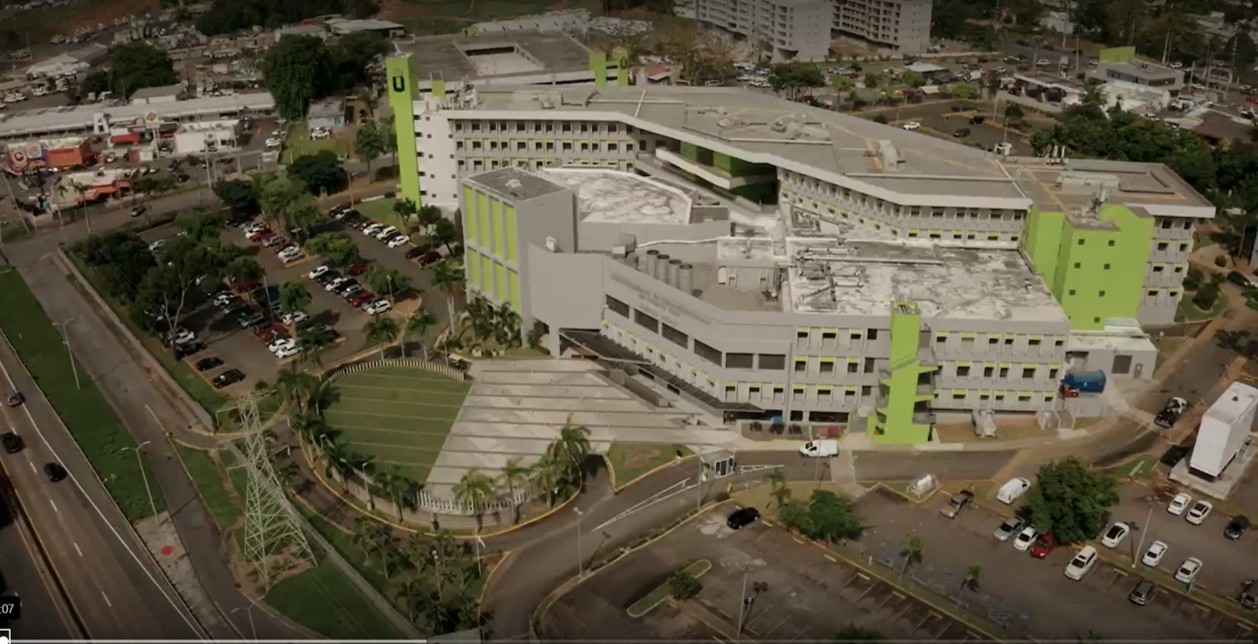
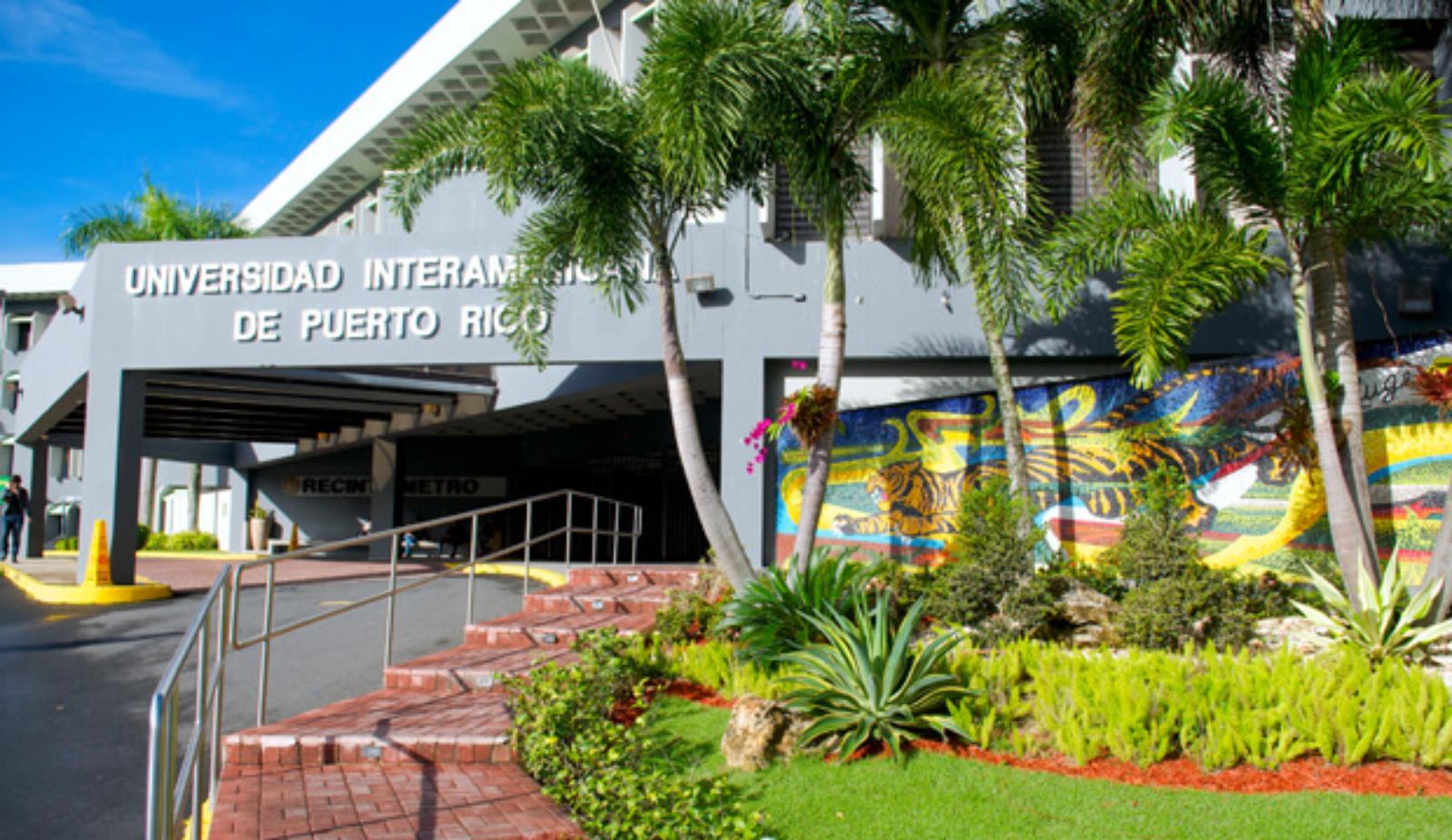
Inter American University of Puerto Rico-Metro is the urban, flagship campus of a sprawling private university system with deep Christian roots, anchoring higher education in the heart of San Juan. It operates as a broad-access institution with a pragmatic, career-oriented curriculum, serving a diverse student body primarily from Puerto Rico. The campus vibe is distinctly local and commuter-focused, offering a gateway to professional credentials at a relatively low net cost, though it contends with graduation rates and post-graduate earnings significantly below U.S. mainland averages.
Admission requirements
Test-blind — scores not considered
Required
- High school transcript
- Grade point average
Source: IPEDS Admissions survey (2022) via Urban Institute. Covers formal factors only — it does not reflect essays, extracurriculars, or other holistic criteria.
More details
- Undergrad enrollment
- 2,607
- In-state tuition
- $5,780
- Out-of-state tuition
- $5,780
- Campus Setting
- Major City
- Graduation Rate
- 39%
- Median Earnings (10yr)
- $30,821
Outcomes & value
Outcomes & value
- Median earnings (10 yr)
- $30,821
- Value (earnings ÷ net price)
- 3.1×
- Median debt at graduation
- $10,975
- Graduation rate
- 39%
- First-year retention
- 76%
- Pell (lower-income) share
- 66%
- First-gen share (among federal-aid recipients)
- 26%
Earnings = median of students working ~10 years after entry; debt = median of graduates. Value divides 10-yr earnings by one year’s net price — read it as earnings per dollar of annual cost, not a full lifetime ROI; it favors lower-cost schools. Source: U.S. Dept. of Education College Scorecard. Figures lag ~2 years and reflect all students, not your intended major.
Campus & location
Campus safety
- On-campus violent crimes (2024)
- 0
- Per 1,000 students
- 0.00
On-campus criminal offenses classed as violent (murder/non-negligent manslaughter, rape, robbery, aggravated assault) for the most recent reported year. Source: U.S. Dept. of Education Campus Safety and Security (Clery Act). Counts reflect what’s reported to the school, and urban campuses often report more partly due to non-student incidents nearby — read alongside campus size and setting, not as a standalone safety verdict.
Climate
- Pleasant days / yr
- 15
- Summer high
- 91°F
- Winter low
- 69°F
- Annual rain
- 38.2"
Pleasant days counts days per year with a mean temperature of 55–75°F, a high at or below 90°F, a low at or above 45°F, and little precipitation — a transparent comfort measure, not a weighting we invented. Computed from Open-Meteo ERA5 daily history (2019–2023).
Quick answers
- What is the acceptance rate at Inter American University of Puerto Rico-Metro?
- Inter American University of Puerto Rico-Metro's acceptance rate is approximately 70% (San Juan, PR), based on the most recent figures we compiled from public and primary sources.
- How much does Inter American University of Puerto Rico-Metro cost?
- At Inter American University of Puerto Rico-Metro, the average net price (after aid) is about $9,788 per year. Actual cost varies with financial aid and residency.
- How many undergraduates attend Inter American University of Puerto Rico-Metro?
- Inter American University of Puerto Rico-Metro enrolls approximately 2,607 undergraduate students.
- Where is Inter American University of Puerto Rico-Metro located?
- Inter American University of Puerto Rico-Metro is located in San Juan, PR.
Admissions
Admissions at Inter American University of Puerto Rico-Metro are characterized by high accessibility, with the process prioritizing academic preparation over standardized testing. The university admits a significant majority of its applicants, with an of 70%. In a recent cycle, it received 1,922 applications and admitted 1,340 students, resulting in a rate (the percentage of admitted students who enroll) of 27.5%. The admitted class shows strong academic preparation, with over 48% of enrolled freshmen reporting a high school GPA of 3.5 or above, and 31% holding a GPA of 3.75 or higher. Notably, the university does not require SAT or ACT scores for admission, focusing its evaluation on the applicant's academic record. The institution's strategic plan frames its mission as offering "students from diverse cultural and national backgrounds an academic background aimed at developing leaders and entrepreneurs."
Compare Inter American University of Puerto Rico-Metro
vs Universidad del Sagrado Corazonvs EDP University of Puerto Rico Inc-San Juanvs Inter American University of Puerto Rico-Aguadillavs Inter American University of Puerto Rico-Bayamon
See colleges similar to Inter American University of Puerto Rico-Metro →Sources
- Inter American University of Puerto Rico - Metropolitan Campus ...
- Inter American University of Puerto Rico-Metro - Data USA
- DFR Report HTML - Department of Education
- Inter American University of Puerto Rico, Metropolitan Campus
- Inter American University of Puerto Rico--Metropolitan Campus ...
- Inter American University of Puerto Rico-Metro - Campus Booker
- Inter American University Of Puerto Rico Metropolitan Campus
- Inter American University of Puerto Rico-Metro - Peterson's