Loading…
← All schools
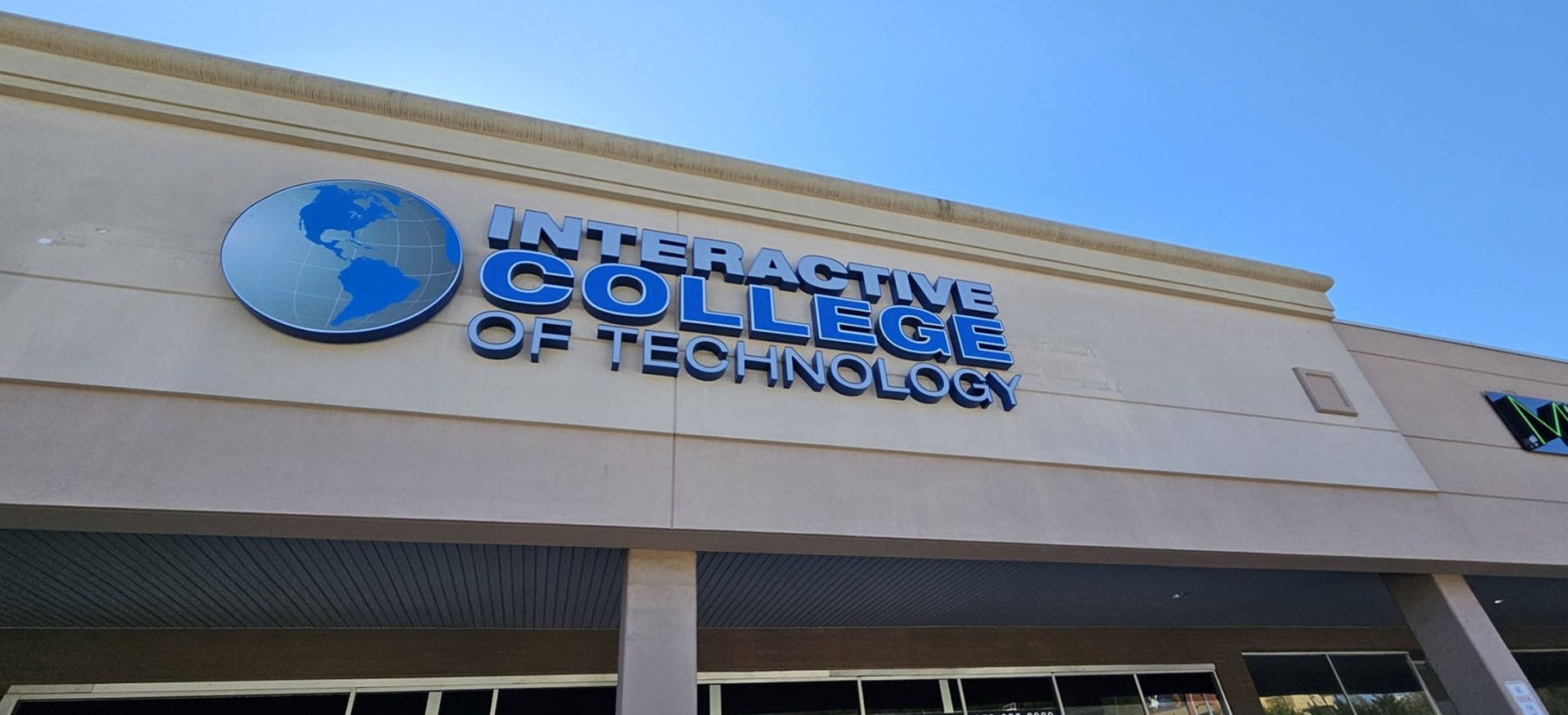
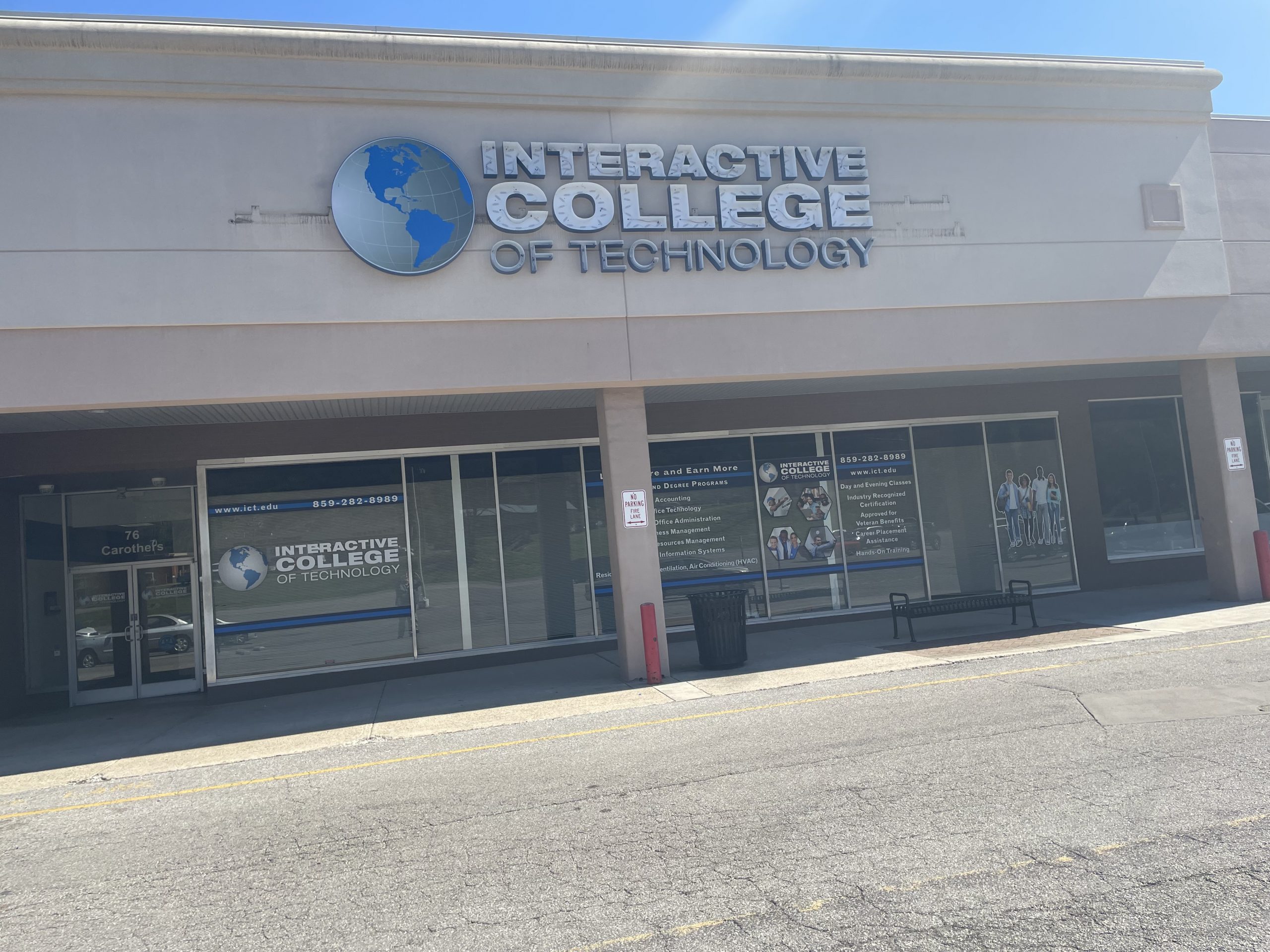
Interactive College of Technology-Newport
Newport, KYprivate forprofitwww.ict.edu/
Avg net price
$16,512
Earnings (10 yr)
$27,065
Acceptance & SAT from Common Data Set / IPEDS; net price, earnings & graduation from the U.S. Dept. of Education College Scorecard. Figures lag ~1–2 years — verify with the school.
Interactive College of Technology-Newport is a private, for-profit vocational school in Northern Kentucky that operates with a singular, no-frills mission: to get students trained and into the workforce as quickly as possible. With an open-admissions policy and a focus on hands-on training in fields like HVAC and medical assisting, it serves a predominantly local, working-adult population seeking practical skills over a traditional college experience. The campus vibe is functional and career-focused, reflecting its identity as a trade school first and foremost.
More details
- Undergrad enrollment
- 101
- In-state tuition
- $10,970
- Out-of-state tuition
- $10,970
- Graduation Rate
- 29%
- First-Year Retention
- 42%
- Demonstrated Interest
- Not considered
- Student-Faculty Ratio
- 10:1
- Median Earnings (10yr)
- $27,065
Outcomes & value
Outcomes & value
- Median earnings (10 yr)
- $27,065
- Value (earnings ÷ net price)
- 1.6×
- Median debt at graduation
- $10,555
- Reducing loan balance (3 yr)
- 40%
- Pell (lower-income) share
- 48%
- First-gen share (among federal-aid recipients)
- 77%
Earnings = median of students working ~10 years after entry; debt = median of graduates. Value divides 10-yr earnings by one year’s net price — read it as earnings per dollar of annual cost, not a full lifetime ROI; it favors lower-cost schools. Source: U.S. Dept. of Education College Scorecard. Figures lag ~2 years and reflect all students, not your intended major.
Campus & location
Campus safety
- On-campus violent crimes (2024)
- 0
On-campus criminal offenses classed as violent (murder/non-negligent manslaughter, rape, robbery, aggravated assault) for the most recent reported year. Source: U.S. Dept. of Education Campus Safety and Security (Clery Act). Counts reflect what’s reported to the school, and urban campuses often report more partly due to non-student incidents nearby — read alongside campus size and setting, not as a standalone safety verdict.
Climate
- Pleasant days / yr
- 94
- Summer high
- 85°F
- Winter low
- 29°F
- Annual rain
- 34.6"
- Annual snow
- 13.2"
- Natural-hazard risk
- Relatively Low
Pleasant days counts days per year with a mean temperature of 55–75°F, a high at or below 90°F, a low at or above 45°F, and little precipitation — a transparent comfort measure, not a weighting we invented. Computed from Open-Meteo ERA5 daily history (2019–2023). Natural-hazard risk is the county’s composite rating from the FEMA National Risk Index.
Quick answers
- How much does Interactive College of Technology-Newport cost?
- At Interactive College of Technology-Newport, the average net price (after aid) is about $16,512 per year. Actual cost varies with financial aid and residency.
- How many undergraduates attend Interactive College of Technology-Newport?
- Interactive College of Technology-Newport enrolls approximately 101 undergraduate students.
- Where is Interactive College of Technology-Newport located?
- Interactive College of Technology-Newport is located in Newport, KY.
Admissions
Admissions at Interactive College of Technology-Newport are defined by accessibility. The institution has a 100% , operating on an open-admissions model where all applicants are accepted. This reflects its mission to provide career training without traditional academic barriers. There is no mention of an Early Decision plan or any differential acceptance rates for early applicants; the process appears to be rolling and non-selective. The enrolled student population is diverse, with 54.5% identifying as Black or African American, 39.6% as White, and 5.94% as Hispanic or Latino. Demonstrated interest, a factor often weighed by selective colleges, is not a consideration here—the school's priority is providing access to vocational education for those seeking it.
Academics
The academic offering is tightly focused on career-ready, technical, and vocational training. Interactive College of Technology (ICT) offers programs in business, technology, trades, and ESL across its campuses. At the Newport location, associate's degrees are the primary credential. The school is noted for programs in general studies, medical assistant training, and industrial technologies. The student-faculty ratio is exceptionally low, reported as 10:1 or 12:1, which allows for significant hands-on instruction and individual attention—a critical feature for skill-based learning. There are no mentions of broad liberal arts curricula, research opportunities, or graduate programs; the education is pragmatic and directly tied to specific trades and administrative support roles.
Compare Interactive College of Technology-Newport
vs Livingstone Collegevs Florida Polytechnic Universityvs Inter American University of Puerto Rico-Fajardovs United States Coast Guard Academy
See colleges similar to Interactive College of Technology-Newport →Sources
- Common Data Set: Home
- Common Data Set Explorer 2026: Compare 100 Colleges
- Common Data Set 2023-2024
- Common Data Set Repository
- Common Data Set 2022-2023
- Common Data Sets 2021-2022
- Interactive College of Technology - Newport
- First-Year Class Profile
- Interactive College of Technology-Newport
- Interactive College of Technology-Newport Profile
- Interactive College Of Technology Acceptance Rate, SAT, GPA & ACT ...