Loading…
← All schools
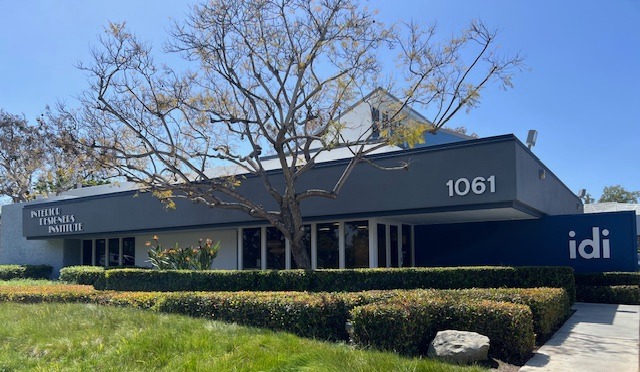
Interior Designers Institute
Newport Beach, CAprivate forprofitidi.edu
The Interior Designers Institute in Newport Beach is a hyper-focused, single-purpose trade school for aspiring designers, operating with the straightforward ethos of a professional studio rather than a traditional liberal arts college. With an admissions policy that is essentially open-door, it attracts career-changers and focused creatives looking for a direct, accredited path into the field, all while situated in the affluent, design-conscious environment of Orange County. This is a place where the curriculum is the entire campus life, and the measure of success is a portfolio, not a football team.
More details
- Undergrad enrollment
- 97
- In-state tuition
- $20,250
- Out-of-state tuition
- $20,250
- Application Fee
- $0
- Graduation Rate
- 59%
- Sticker Price (2026)
- $45,378
- Student-Faculty Ratio
- 6:1
- Median Earnings (10yr)
- $54,974
- Average Grant/Scholarship
- ~$3,155
Outcomes & value
Outcomes & value
- Median earnings (10 yr)
- $54,974
- Median debt at graduation
- $22,082
- Reducing loan balance (3 yr)
- 67%
- Pell (lower-income) share
- 28%
Earnings = median of students working ~10 years after entry; debt = median of graduates. Value divides 10-yr earnings by one year’s net price — read it as earnings per dollar of annual cost, not a full lifetime ROI; it favors lower-cost schools. Source: U.S. Dept. of Education College Scorecard. Figures lag ~2 years and reflect all students, not your intended major.
Financial health
2.0 / 3.0Meets the federal financial-responsibility standard
U.S. Dept. of Education Financial Responsibility Composite Score (FY2022-23). Scale −1.0 to 3.0; ≥1.5 meets the standard. Reported for private nonprofit & for-profit institutions only — public universities are state-backed and not scored, so this is a stability signal, not a ranking.
Top-earning majors
Median earnings by field of study (highest credential), ~2 years after completion.
- Design and Applied Arts$33,993
Source: U.S. Dept. of Education College Scorecard (field-of-study earnings). Figures cover graduates who received federal aid and lag ~2 years; not all programs report data.
Campus & location
Campus safety
- On-campus violent crimes (2024)
- 0
- Per 1,000 students
- 0.00
On-campus criminal offenses classed as violent (murder/non-negligent manslaughter, rape, robbery, aggravated assault) for the most recent reported year. Source: U.S. Dept. of Education Campus Safety and Security (Clery Act). Counts reflect what’s reported to the school, and urban campuses often report more partly due to non-student incidents nearby — read alongside campus size and setting, not as a standalone safety verdict.
Climate
- Pleasant days / yr
- 287
- Summer high
- 73°F
- Winter low
- 49°F
- Annual rain
- 18.2"
- Natural-hazard risk
- Very High
Pleasant days counts days per year with a mean temperature of 55–75°F, a high at or below 90°F, a low at or above 45°F, and little precipitation — a transparent comfort measure, not a weighting we invented. Computed from Open-Meteo ERA5 daily history (2019–2023). Natural-hazard risk is the county’s composite rating from the FEMA National Risk Index.
Quick answers
- How many undergraduates attend Interior Designers Institute?
- Interior Designers Institute enrolls approximately 97 undergraduate students.
- Where is Interior Designers Institute located?
- Interior Designers Institute is located in Newport Beach, CA.
Admissions
Admissions at the Interior Designers Institute is the antithesis of the high-stakes, ultra-selective process found at elite universities. The institute is categorically non-selective, with multiple sources reporting an of 100% or 98.8%, placing it among the easiest universities to gain admission to in the United States. There is no application fee, and standardized test scores (SAT/ACT) are not required for consideration, making the barrier to entry purely about intention and the ability to fund the program. The institute does not appear to employ mechanisms like Early Decision, and while sources discuss the 's role in revealing institutional priorities (like demonstrated interest) for other schools, no such specific, granular priority data from IDI's own Common Data Set is provided in the sources. The process seems designed for accessibility, welcoming anyone serious about pursuing interior design as a career.
- Acceptance Rate: Reported as 100% by multiple sources, with one outlier at 98.8%.
- Test Policy: SAT/ACT optional.
- Application Fee: $0.
Compare Interior Designers Institute
vs Vanguard University of Southern Californiavs Concordia University-Irvinevs Westmont Collegevs Arizona Christian University
See colleges similar to Interior Designers Institute →Sources
- Common Data Set: Home
- Demystifying the Common Data Set - Top Tier Admissions
- Common Data Set - GradGPT
- What to look in common data set? - College Confidential Forums
- [PDF] Common Data Set 2023-2024 - Chestertown - Washington College
- [PDF] Common Data Set 2024-2025 - University of Florida
- Interior Designers Institute Requirements for Admission - PrepScholar
- Interior Designers Institute Tuition, Acceptance Rate, & Academics
- Interior Designers Institute - Niche
- Interior Designers Institute - Tuition and Acceptance Rate