Loading…
← All schools
Iowa Western Community College
Council Bluffs, IApublicwww.iwcc.edu/
Avg net price
$14,629
Earnings (10 yr)
$42,793
Acceptance & SAT from Common Data Set / IPEDS; net price, earnings & graduation from the U.S. Dept. of Education College Scorecard. Figures lag ~1–2 years — verify with the school.
Iowa Western Community College is a sprawling, open-access community college in Council Bluffs that serves as a pragmatic launchpad for the region. It operates with a straightforward, no-frills admissions process and a focus on career-ready associate degrees and transfer pathways, particularly into the University of Iowa system. The campus vibe is functional and supportive, built around helping a diverse, often part-time student body get in, get trained, and get out into the workforce or a four-year university.
More details
- Undergrad enrollment
- 2,916
- In-state tuition
- $6,930
- Out-of-state tuition
- $7,080
- Application Fee
- $0
- Most Popular Major
- Liberal Arts and Sciences/Liberal Studies
- Median Earnings (10yr)
- $42,793
- Freshman Retention Rate
- 57%
- Student-to-Faculty Ratio
- 22:1
- Aspen Institute Recognition
- Top 200 Community College (2027 Prize Eligible)
- Graduation Rate (Scorecard)
- 31%
Outcomes & value
Outcomes & value
- Median earnings (10 yr)
- $42,793
- Value (earnings ÷ net price)
- 2.9×
- Median debt at graduation
- $11,033
- Reducing loan balance (3 yr)
- 43%
- Pell (lower-income) share
- 24%
- First-gen share (among federal-aid recipients)
- 42%
Earnings = median of students working ~10 years after entry; debt = median of graduates. Value divides 10-yr earnings by one year’s net price — read it as earnings per dollar of annual cost, not a full lifetime ROI; it favors lower-cost schools. Source: U.S. Dept. of Education College Scorecard. Figures lag ~2 years and reflect all students, not your intended major.
Campus & location
Campus safety
- On-campus violent crimes (2024)
- 3
On-campus criminal offenses classed as violent (murder/non-negligent manslaughter, rape, robbery, aggravated assault) for the most recent reported year. Source: U.S. Dept. of Education Campus Safety and Security (Clery Act). Counts reflect what’s reported to the school, and urban campuses often report more partly due to non-student incidents nearby — read alongside campus size and setting, not as a standalone safety verdict.
Climate
- Pleasant days / yr
- 78
- Summer high
- 85°F
- Winter low
- 19°F
- Annual rain
- 29.2"
- Annual snow
- 22.3"
- Natural-hazard risk
- Relatively Low
Pleasant days counts days per year with a mean temperature of 55–75°F, a high at or below 90°F, a low at or above 45°F, and little precipitation — a transparent comfort measure, not a weighting we invented. Computed from Open-Meteo ERA5 daily history (2019–2023). Natural-hazard risk is the county’s composite rating from the FEMA National Risk Index.
Deep dive — research, future-scholar output & economic mobility
Research output
- Institutional h-index
- 22
- Scholarly works
- 154
Institutional research volume and impact from OpenAlex. The h-index reflects large research universities and will be low for teaching-focused liberal-arts colleges — not a measure of undergraduate quality.
Economic mobility
- Mobility rate
- 0.9%
- Bottom → top quintile
- 9%
- From bottom quintile
- 10%
Mobility rate = the share of students who both start in the bottom household-income quintile and reach the top quintile; bottom → top is that chance conditional on starting at the bottom. Source: Opportunity Insights Mobility Report Cards (Chetty, Friedman, Saez, Turner & Yagan). Reflects 1980–82 birth cohorts, so it’s directional, not current.
Quick answers
- How much does Iowa Western Community College cost?
- At Iowa Western Community College, the average net price (after aid) is about $14,629 per year. Actual cost varies with financial aid and residency.
- How many undergraduates attend Iowa Western Community College?
- Iowa Western Community College enrolls approximately 2,916 undergraduate students.
- Where is Iowa Western Community College located?
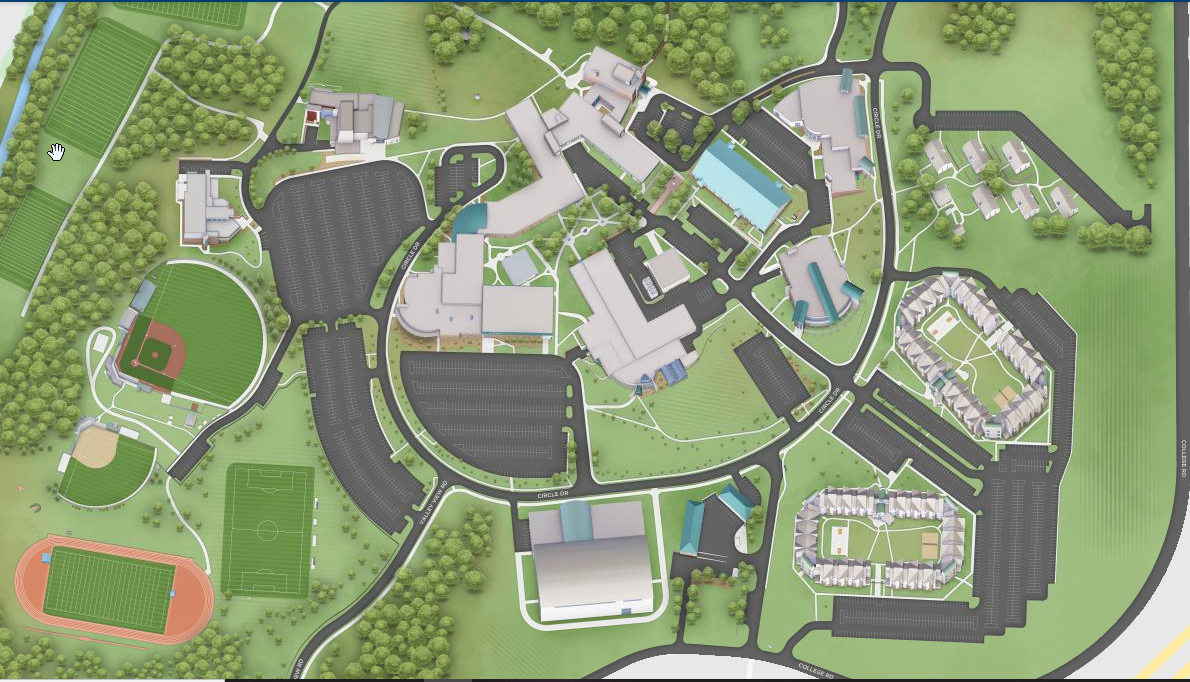
- Iowa Western Community College is located in Council Bluffs, IA.
Admissions
Iowa Western's admissions philosophy is defined by accessibility. The process is designed to be as barrier-free as possible: there is no application fee, and submitting a completed application is the primary requirement. The college is open-access, with multiple sources reporting an at or near 100%. This reflects its mission as a community college to serve all residents of its district. The student body is split between full-time and part-time enrollees, with a significant part-time population. While standardized test scores (SAT/ACT) are not a focal point of the admissions decision—the process is or not considered—the emphasis is on getting students enrolled and started on their educational path. There is no mention of Early Decision policies or demonstrated interest being a factor, aligning with its non-selective, inclusive approach.
Compare Iowa Western Community College
vs Indiana University-Eastvs Indiana University-Northwestvs Minnesota State University Moorheadvs Bemidji State University
See colleges similar to Iowa Western Community College →Sources
- Admissions: What Type of Student Are You?
- Institutional Effectiveness
- Iowa Western Community College - IPEDS - Department of Education
- Iowa Western Community College
- Common Data Set 2024-2025
- Admissions
- Iowa Western Community College SAT Scores, ACT ...
- Iowa Western Community College
- Iowa Western Community College Admissions Statistics and Chances
- Iowa Western Community College - Tuition and Acceptance Rate
- Iowa Western Community College Acceptance Rates & Admissions ...