Loading…
← All schools
IVAEM College
Caguas, PRprivate forprofitivaempr.com
Avg net price
$9,707
Earnings (10 yr)
$19,686
Acceptance & SAT from Common Data Set / IPEDS; net price, earnings & graduation from the U.S. Dept. of Education College Scorecard. Figures lag ~1–2 years — verify with the school.
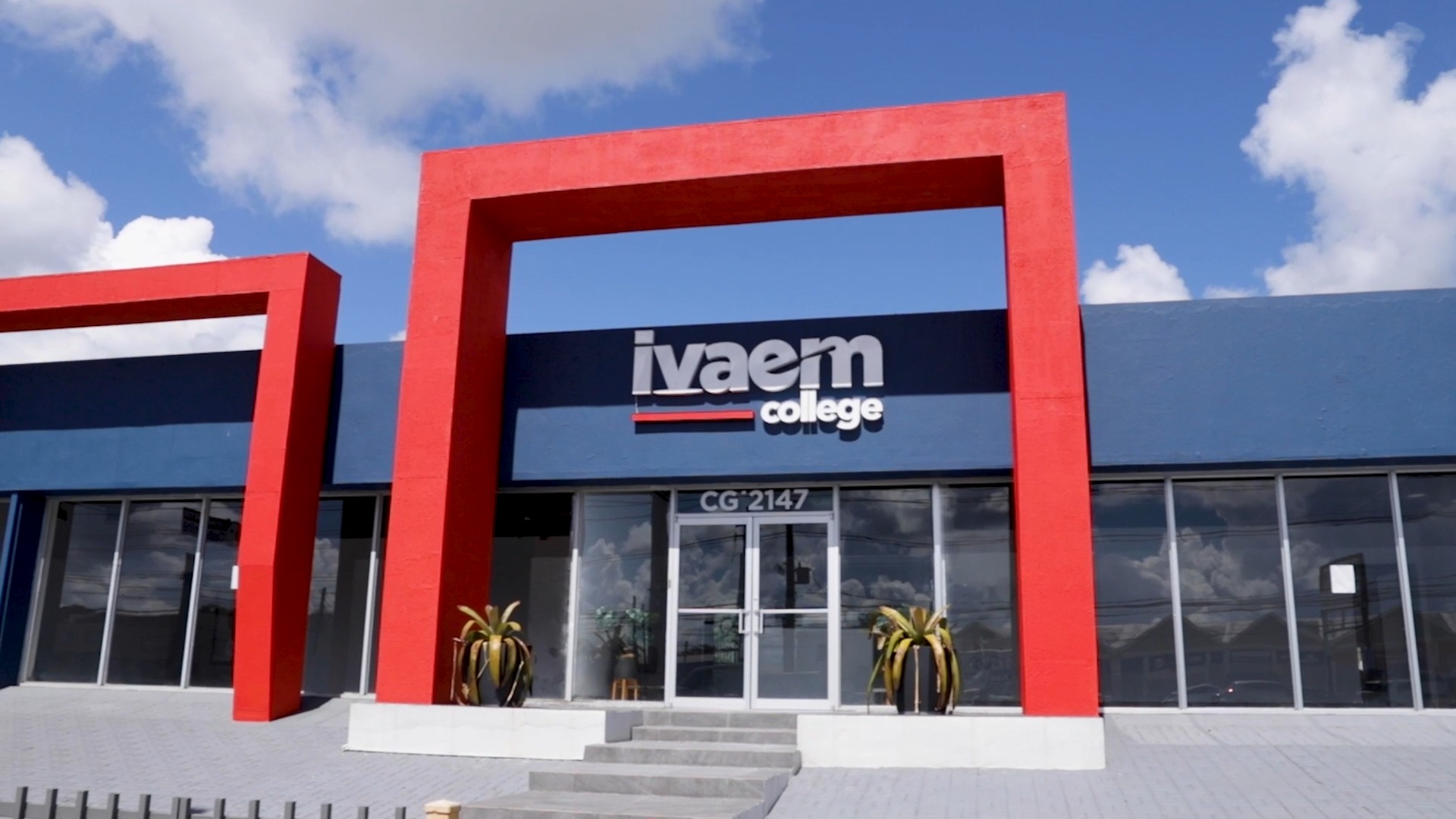
IVAEM College is a small, for-profit vocational institute in Caguas, Puerto Rico, that operates on a fundamentally open-access model. It's a place where the classroom is a kitchen or a medical lab, focused intensely on practical, career-ready skills in culinary arts, medical assisting, and nursing. With a tiny, urban campus and a student body of around 400, it serves as a direct, no-frills pipeline into specific trades for its community.
More details
- Undergrad enrollment
- 195
- Top Programs
- Culinary Arts, Medical Assisting, Nursing
- Institution Type
- For-profit, less-than-2-year
- Student-Faculty Ratio
- 43:1
- Median Earnings (10yr)
- $19,686
Outcomes & value
Outcomes & value
- Median earnings (10 yr)
- $19,686
- Value (earnings ÷ net price)
- 2.0×
- Pell (lower-income) share
- 83%
- First-gen share (among federal-aid recipients)
- 55%
Earnings = median of students working ~10 years after entry; debt = median of graduates. Value divides 10-yr earnings by one year’s net price — read it as earnings per dollar of annual cost, not a full lifetime ROI; it favors lower-cost schools. Source: U.S. Dept. of Education College Scorecard. Figures lag ~2 years and reflect all students, not your intended major.
Financial health
1.7 / 3.0Meets the federal financial-responsibility standard
U.S. Dept. of Education Financial Responsibility Composite Score (FY2022-23). Scale −1.0 to 3.0; ≥1.5 meets the standard. Reported for private nonprofit & for-profit institutions only — public universities are state-backed and not scored, so this is a stability signal, not a ranking.
Campus & location
Campus safety
- On-campus violent crimes (2024)
- 0
On-campus criminal offenses classed as violent (murder/non-negligent manslaughter, rape, robbery, aggravated assault) for the most recent reported year. Source: U.S. Dept. of Education Campus Safety and Security (Clery Act). Counts reflect what’s reported to the school, and urban campuses often report more partly due to non-student incidents nearby — read alongside campus size and setting, not as a standalone safety verdict.
Climate
- Pleasant days / yr
- 51
- Summer high
- 87°F
- Winter low
- 70°F
- Annual rain
- 29.1"
Pleasant days counts days per year with a mean temperature of 55–75°F, a high at or below 90°F, a low at or above 45°F, and little precipitation — a transparent comfort measure, not a weighting we invented. Computed from Open-Meteo ERA5 daily history (2019–2023).
Quick answers
- How much does IVAEM College cost?
- At IVAEM College, the average net price (after aid) is about $9,707 per year. Actual cost varies with financial aid and residency.
- How many undergraduates attend IVAEM College?
- IVAEM College enrolls approximately 195 undergraduate students.
- Where is IVAEM College located?
- IVAEM College is located in Caguas, PR.
Admissions
IVAEM College's admissions process is defined by its open-access mission. Multiple independent sources report a 100% , indicating the institution's role as a community-focused vocational school with minimal barriers to entry. The college does not appear to publish a , which is the standardized document used by many institutions to detail their admissions criteria and statistics. Consequently, there is no available data on standardized test score ranges, high school GPA expectations, or the relative importance of factors like class rank, essays, or recommendations in their review process. The admissions landscape here is starkly different from the selective, processes detailed in the Common Data Sets of other universities; IVAEM's priority appears to be providing educational access.
Academics
Academically, IVAEM is a tightly focused, less-than-two-year institution that awards certificates rather than traditional degrees. Its identity is built on hands-on, vocational training. The culinary arts program is a noted strength, ranked 15th within Puerto Rico. Beyond the kitchen, the college offers strong programs in medical assisting and nursing, as well as education. The student-faculty ratio is reported at 43:1, suggesting a model where instruction may lean toward larger, demonstration-based classes typical of career training rather than small seminars. The curriculum is designed not for broad intellectual exploration but for direct skill acquisition, preparing students for immediate entry into specific service and healthcare roles.
Compare IVAEM College
vs Inter American University of Puerto Rico-Fajardovs EDP University of Puerto Rico Inc-San Juanvs Florida Polytechnic Universityvs Inter American University of Puerto Rico-Arecibo
See colleges similar to IVAEM College →Sources
- Common Data Set | The Office of Institutional Research
- Common Data Set 202
- Common Data Set
- Common Data Set: Home
- Common Data Set | Institutional Data | STAIR
- Where to find Common Data Set (CDS) for college ...
- IVAEM College Admissions - BigFuture College Search
- IVAEM College
- IVAEM College — Acceptance Rate, Costs & More
- First-Year Class Profile
- IVAEM College Acceptance Rate & Your Chances
- IVAEM College Tuition, Acceptance Rate, & Academics - Sallie