Admit rate has ranged 41%–56% over the last 5 years — notably volatile, though the latest figure above (38%) falls outside that window. Source: IPEDS via Urban Institute.
Acceptance & SAT from Common Data Set / IPEDS; net price, earnings & graduation from the U.S. Dept. of Education College Scorecard. Figures lag ~1–2 years — verify with the school.
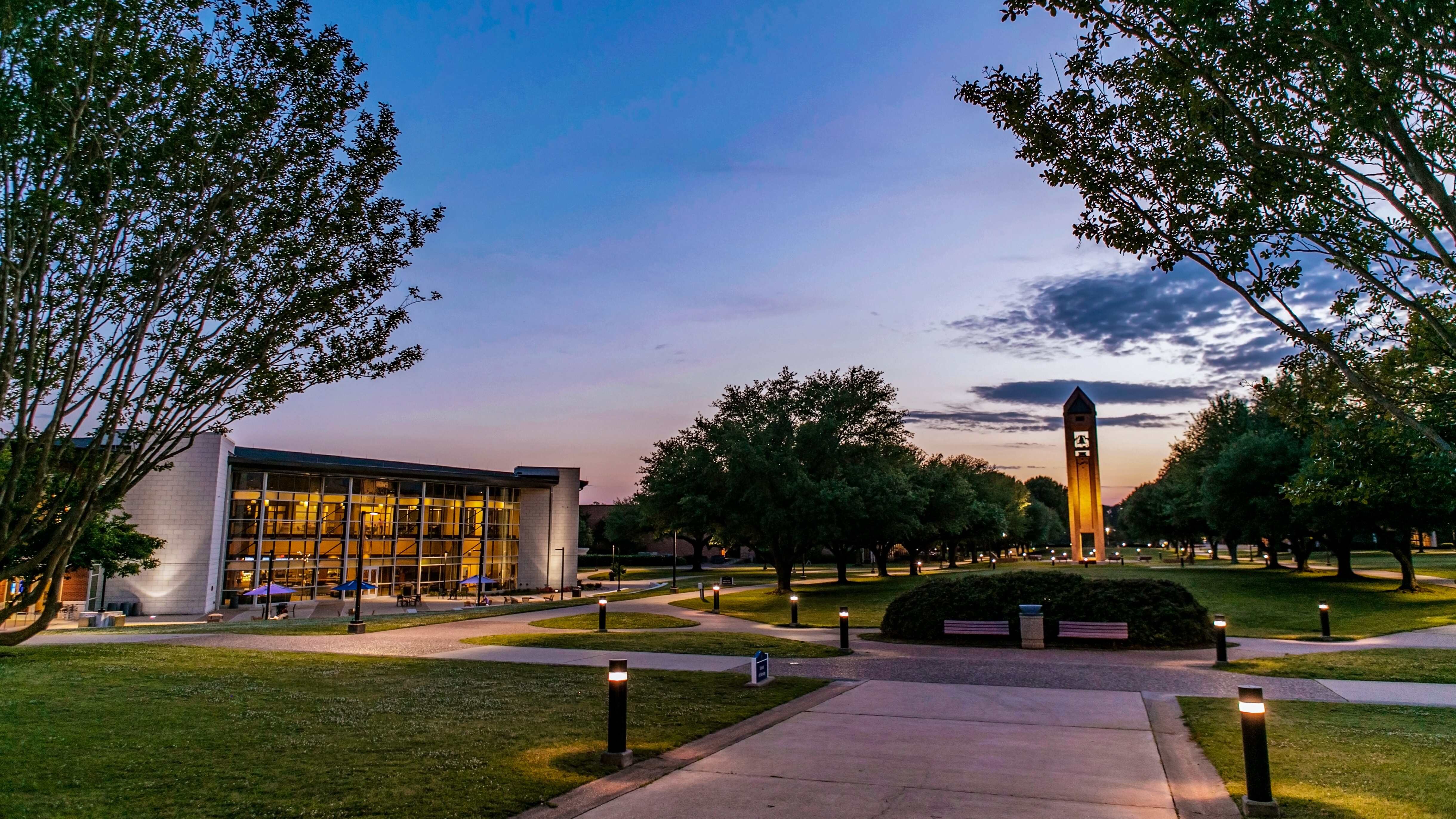
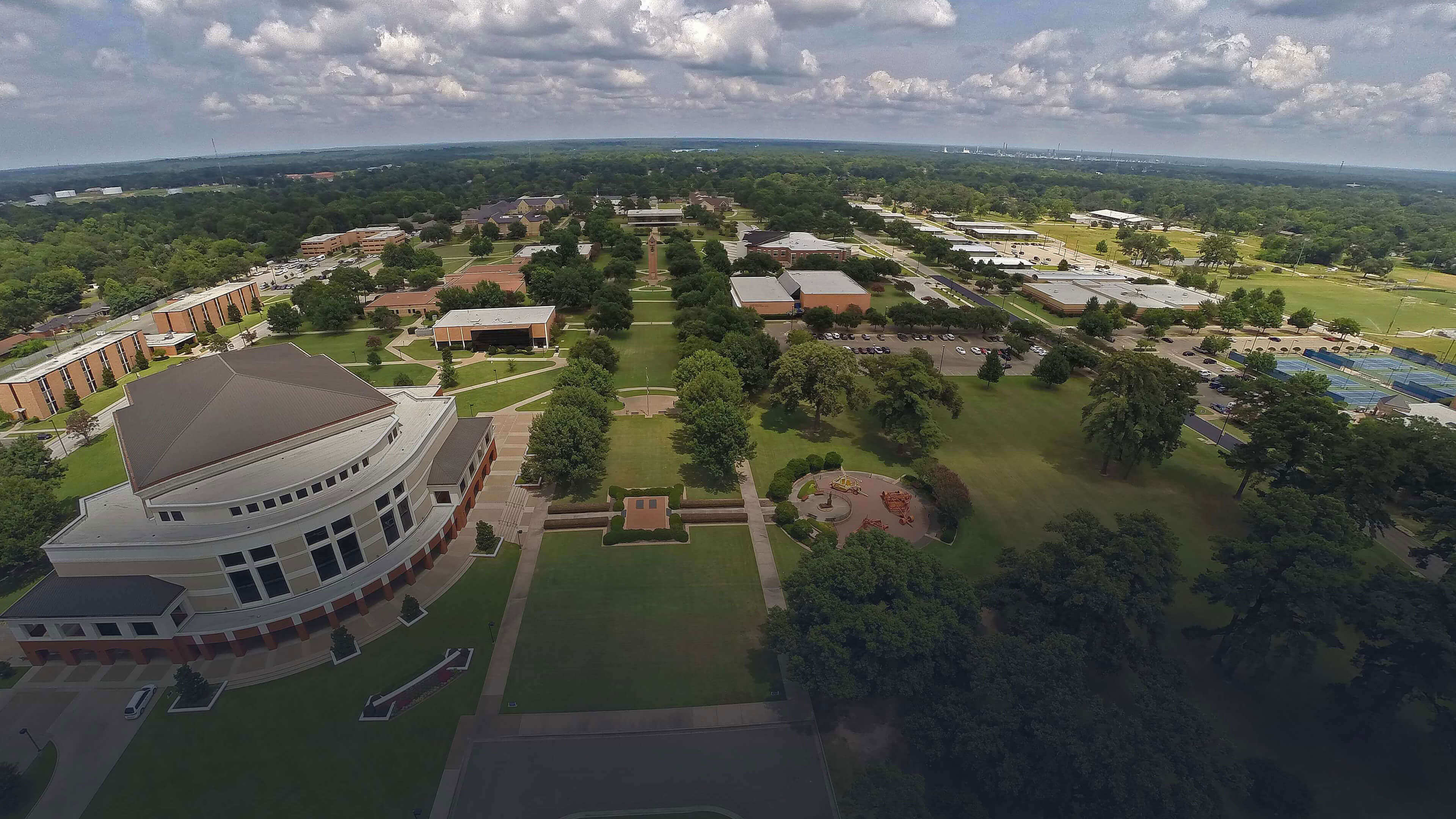
LeTourneau University is a fiercely practical, hands-on Christian university in East Texas where faith and engineering don't just coexist—they're welded together. Its identity is defined by a workshop ethos, a deeply residential and rule-bound campus culture, and a laser focus on turning out graduates who are immediately employable, particularly in engineering, aviation, and skilled trades. This is not a place for abstract theory or a typical party scene; it's for students who want to build, fix, and fly things, all within a tight-knit, devout community.
Admission requirements
Test-optional — scores considered if submitted
Required
High school transcript
Grade point average
TOEFL (non-native English)
Considered (not required)
Class rank
Test scores (SAT/ACT)
Demonstrated competencies
Source: IPEDS Admissions survey (2022) via Urban Institute. Covers formal factors only — it does not reflect essays, extracurriculars, or other holistic criteria.
More details
Undergrad enrollment
1,468
In-state tuition
$37,160
Out-of-state tuition
$37,160
Campus Housing
68% of students live on campus
Graduation Rate
59%
Most Popular Majors
Engineering, Aviation, Business
Median Earnings (10yr)
$57,103
Engineering Placement Rate
Over 95%
Outcomes & value
Outcomes & value
Median earnings (10 yr)
$57,103
Value (earnings ÷ net price)
2.0×
Median debt at graduation
$26,000
Graduation rate
59%
First-year retention
81%
Reducing loan balance (3 yr)
57%
Pell (lower-income) share
13%
First-gen share (among federal-aid recipients)
34%
Financial health
2.5 / 3.0Meets the federal financial-responsibility standard
U.S. Dept. of Education Financial Responsibility Composite Score (FY2022-23). Scale −1.0 to 3.0; ≥1.5 meets the standard. Reported for private nonprofit & for-profit institutions only — public universities are state-backed and not scored, so this is a stability signal, not a ranking.
Top-earning majors
Median earnings by field of study (highest credential), ~2 years after completion.
Mechanical Engineering Related Technologies/Technicians$65,332
Mechanical Engineering$63,600
Civil Engineering$59,986
Business Administration, Management and Operations$52,607
Air Transportation$41,565
Psychology, General$36,132
Campus & location
Campus safety
On-campus violent crimes (2024)
0
Per 1,000 students
0.00
On-campus criminal offenses classed as violent (murder/non-negligent manslaughter, rape, robbery, aggravated assault) for the most recent reported year. Source: U.S. Dept. of Education Campus Safety and Security (Clery Act). Counts reflect what’s reported to the school, and urban campuses often report more partly due to non-student incidents nearby — read alongside campus size and setting, not as a standalone safety verdict.
Climate
Pleasant days / yr
90
Summer high
94°F
Winter low
42°F
Annual rain
51.6"
Annual snow
2.2"
Natural-hazard risk
Relatively Moderate
Pleasant days counts days per year with a mean temperature of 55–75°F, a high at or below 90°F, a low at or above 45°F, and little precipitation — a transparent comfort measure, not a weighting we invented. Computed from Open-Meteo ERA5 daily history (2019–2023). Natural-hazard risk is the county’s composite rating from the FEMA National Risk Index.
Deep dive — research, future-scholar output & economic mobility▾
Research output
Institutional h-index
37
Scholarly works
545
Institutional research volume and impact from OpenAlex. The h-index reflects large research universities and will be low for teaching-focused liberal-arts colleges — not a measure of undergraduate quality.
Economic mobility
Mobility rate
3.8%
Bottom → top quintile
43%
From bottom quintile
9%
Mobility rate = the share of students who both start in the bottom household-income quintile and reach the top quintile; bottom → top is that chance conditional on starting at the bottom. Source: Opportunity Insights Mobility Report Cards (Chetty, Friedman, Saez, Turner & Yagan). Reflects 1980–82 birth cohorts, so it’s directional, not current.
Quick answers
What is the acceptance rate at LeTourneau University?
LeTourneau University's acceptance rate is approximately 38% (Longview, TX), based on the most recent figures we compiled from public and primary sources.
What SAT score do you need for LeTourneau University?
Admitted students at LeTourneau University typically score 990–1330 on the SAT (the middle-50% range). Scores outside this band are still admitted, especially with strong applications.
How much does LeTourneau University cost?
At LeTourneau University, the average net price (after aid) is about $28,185 per year. Actual cost varies with financial aid and residency.
How many undergraduates attend LeTourneau University?
LeTourneau University enrolls approximately 1,468 undergraduate students.
Where is LeTourneau University located?
LeTourneau University is located in Longview, TX.
Admissions
With a 38% , LeTourneau is selective but accessible, admitting just over one in three applicants. The middle 50% SAT range for admitted students is 990–1330, indicating a broad academic profile. The university's admissions process is supported by an Enrollment Analytics team that prepares data reports, and it participates in the initiative, a collaborative effort to standardize admissions-related information across higher education. While the sources do not specify an Early Decision policy or whether demonstrated interest is a considered factor, the overall selectivity suggests a that goes beyond test scores alone.
LeTourneau’s academic identity is unmistakably technical and applied. Students choose from more than 140 courses of study, but the curriculum is dominated by engineering, aviation, and business. For the 2024 graduating class, the most popular majors were Engineering (25%), Transportation and Materials Moving (14%), and Business, Management, Marketing, and Related Support Services. Specific popular majors include Aeronautics and Aviation Technology, Mechanical Engineering, and Elementary Education. The university has earned recognition for its rigorous engineering program, ranked as the top Christian engineering program in Texas and tying for first among CCCU institutions in undergraduate engineering. This practical focus is balanced with programs in the arts and sciences, including Biology, Chemistry & Physics, Computer Science, Fine Arts, and History, but the core of LeTourneau's reputation is built in labs, hangars, and workshops.
Earnings = median of students working ~10 years after entry; debt = median of graduates. Value divides 10-yr earnings by one year’s net price — read it as earnings per dollar of annual cost, not a full lifetime ROI; it favors lower-cost schools. Source: U.S. Dept. of Education College Scorecard. Figures lag ~2 years and reflect all students, not your intended major.
Teacher Education and Professional Development, Specific Levels and Methods$34,603
Multi/Interdisciplinary Studies, Other$32,925
Source: U.S. Dept. of Education College Scorecard (field-of-study earnings). Figures cover graduates who received federal aid and lag ~2 years; not all programs report data.
Campus life at LeTourneau is intensely residential and community-oriented, governed by a distinct Christian ethos. A significant 68% of students live in college-owned, -operated, or -affiliated housing. The dormitory floors are known to develop their own unique cultures and host bonding activities, fostering a close-knit environment that compensates for the noted absence of a traditional party scene. Student Life's stated purpose is to help students "grow in every area of life" and cultivate community on and off campus. This includes structured spiritual components like chapel services, which have historically been mandatory, and education on mental health issues through workshops and print materials. The environment can feel insular and rule-bound, with past students citing strict gender segregation for dorm visitation. However, for students seeking a supportive, mission-aligned community—including those returning from the mission field or identifying as third-culture kids—it provides a structured jumpstart back to life in the States.
LeTourneau’s value proposition is clear: a high probability of a job, often a well-paying one, soon after graduation. The university reports a graduate placement rate of over 95% for its engineering students, who work for leading technology and engineering companies nationwide. This career focus is recognized by external organizations, as LeTourneau has been named a College of Distinction for its commitment to high-quality undergraduate education. While the graduation rate is 59%, the earning potential for graduates is strong. Alumni see median earnings of $57,103 ten years after entry, with reported earnings five years after graduation reaching $67,861 per year. This data underscores the institution's success in its primary mission: launching graduates directly into technical and professional careers.
Attending LeTourneau requires a significant financial investment, with an average after aid of $28,185. The university provides tools like a net price calculator and a scholarship calculator to help families estimate their actual cost. A majority of students (57.32%) receive financial aid, with an average aid package of $28,665. This aid is composed of federal grants (averaging $6,276), state grants ($3,997), and, most substantially, institutional grant aid ($18,946). The net price is calculated by subtracting grant and scholarship amounts from the total , which includes both direct and indirect costs. The sources do not indicate that LeTourneau has a "no-loan" policy or that it meets 100% of demonstrated financial need without loans; federal loan limits for dependent undergraduates are standard, ranging from $5,500 for freshmen to $7,500 for juniors and seniors.
LeTourneau University stands out as a singular institution where evangelical Christian faith is seamlessly integrated with a no-nonsense, technically superb education. It’s not a liberal arts college with an engineering department; it’s an engineering and aviation school with a soul. Its top ranking among Christian engineering programs in Texas isn't an accident—it's the result of a culture that values applied skill, problem-solving, and integrity in equal measure. The campus life is its own world: highly residential, community-focused, and governed by clear rules that create a specific, sheltered environment. This combination attracts a particular student—one who is devout, hands-on, and career-focused from day one. The payoff is evident in the outcomes: near-certain job placement and strong mid-career earnings, proving that at LeTourneau, the workshop ethos extends all the way to the bank.
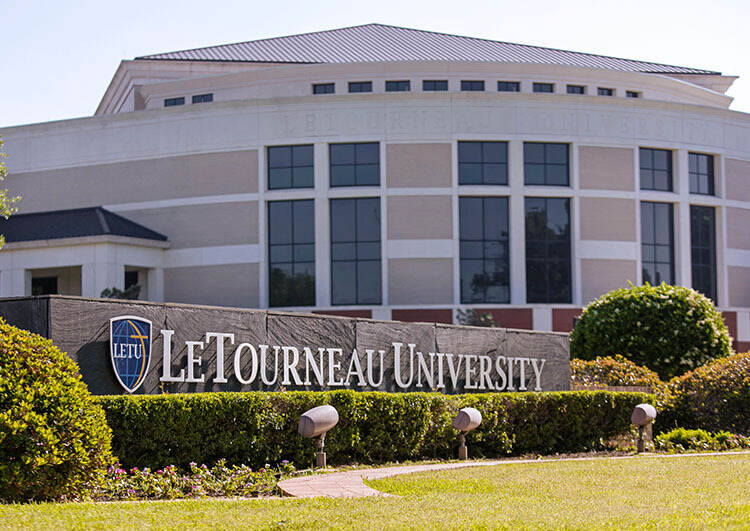
LeTourneau University seal · sourceVisit LeTourneau · sourceCampus Maps · sourceLeTourneau University - Profile, Rankings and Data | US News Best Colleges · source