Loading…
← All schools
Lincoln College of Technology-Indianapolis
Indianapolis, INprivate forprofitwww.lincolntech.edu/campus/indianapolis-in
Avg net price
$28,371
Earnings (10 yr)
$46,396
Acceptance & SAT from Common Data Set / IPEDS; net price, earnings & graduation from the U.S. Dept. of Education College Scorecard. Figures lag ~1–2 years — verify with the school.
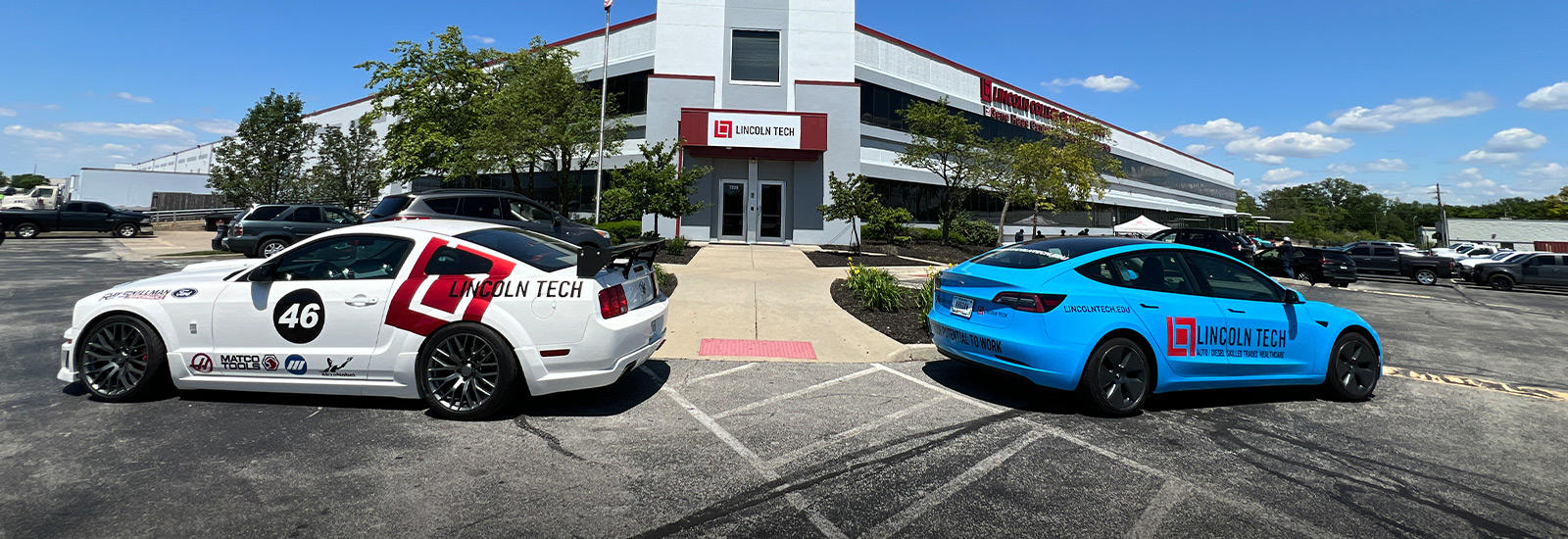
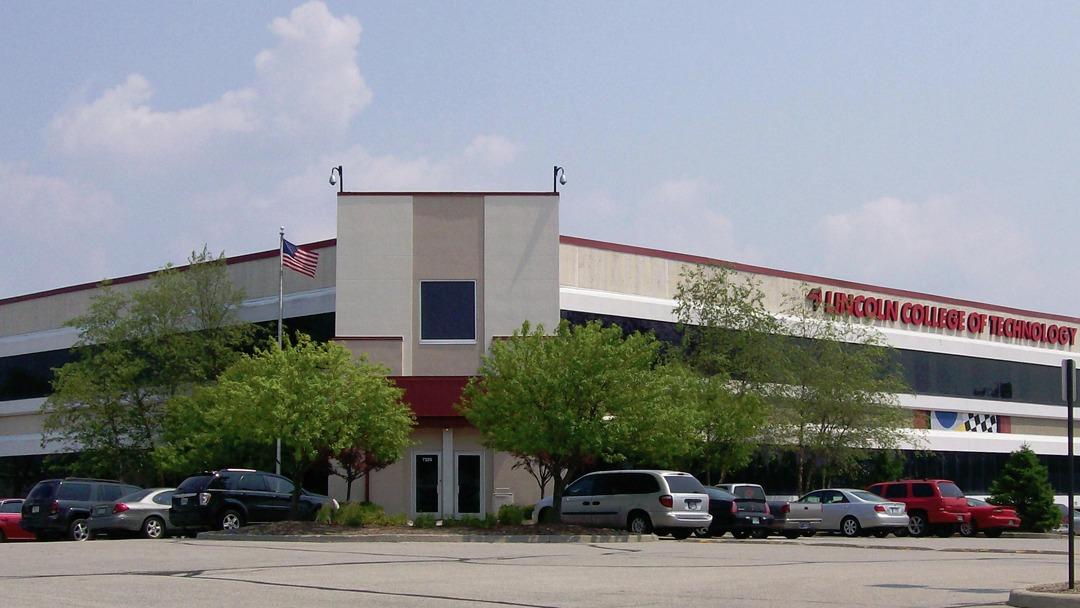
Lincoln College of Technology-Indianapolis is a trade school that operates on a different wavelength than a traditional liberal arts college. Its identity is forged entirely in the shop, garage, and lab, offering a hyper-focused, hands-on curriculum designed to get students certified and into skilled trades—fast. The vibe is intensely practical, urban, and career-first, with a student body that's largely part-time and a campus culture that revolves around technical mastery rather than campus traditions.
More details
- Undergrad enrollment
- 1,052
- Setting
- Urban
- Top Majors
- Mechanical Technologies, Precision Production
- Student-Faculty Ratio
- 26:1
- Median Earnings (10yr)
- $46,396
- Financial Aid Recipients
- 91%
- First-Year Retention Rate
- 62%
- Graduation Rate (150% time)
- 53-57%
Outcomes & value
Outcomes & value
- Median earnings (10 yr)
- $46,396
- Value (earnings ÷ net price)
- 1.6×
- Median debt at graduation
- $11,730
- Reducing loan balance (3 yr)
- 41%
- Pell (lower-income) share
- 62%
- First-gen share (among federal-aid recipients)
- 52%
Earnings = median of students working ~10 years after entry; debt = median of graduates. Value divides 10-yr earnings by one year’s net price — read it as earnings per dollar of annual cost, not a full lifetime ROI; it favors lower-cost schools. Source: U.S. Dept. of Education College Scorecard. Figures lag ~2 years and reflect all students, not your intended major.
Campus & location
Campus safety
- On-campus violent crimes (2024)
- 0
On-campus criminal offenses classed as violent (murder/non-negligent manslaughter, rape, robbery, aggravated assault) for the most recent reported year. Source: U.S. Dept. of Education Campus Safety and Security (Clery Act). Counts reflect what’s reported to the school, and urban campuses often report more partly due to non-student incidents nearby — read alongside campus size and setting, not as a standalone safety verdict.
Climate
- Pleasant days / yr
- 88
- Summer high
- 83°F
- Winter low
- 26°F
- Annual rain
- 43.7"
- Annual snow
- 18.5"
- Natural-hazard risk
- Relatively High
Pleasant days counts days per year with a mean temperature of 55–75°F, a high at or below 90°F, a low at or above 45°F, and little precipitation — a transparent comfort measure, not a weighting we invented. Computed from Open-Meteo ERA5 daily history (2019–2023). Natural-hazard risk is the county’s composite rating from the FEMA National Risk Index.
Quick answers
- How much does Lincoln College of Technology-Indianapolis cost?
- At Lincoln College of Technology-Indianapolis, the average net price (after aid) is about $28,371 per year. Actual cost varies with financial aid and residency.
- How many undergraduates attend Lincoln College of Technology-Indianapolis?
- Lincoln College of Technology-Indianapolis enrolls approximately 1,052 undergraduate students.
- Where is Lincoln College of Technology-Indianapolis located?
- Lincoln College of Technology-Indianapolis is located in Indianapolis, IN.
Admissions
This is an institution with an open admissions policy, meaning it does not function on a selective model. The process is designed for accessibility, not competition. Sources report varying —100%, 82%, and 93%—but all point to a fundamentally non-restrictive gateway. Standardized test scores (SAT middle range 950–1150, ACT middle range 18–24) are listed as optional, and a minimum GPA of 2.5 is recommended but not a strict barrier. The admissions factors typical of four-year colleges—class rank, essays, recommendations, demonstrated interest—are not part of the calculus here. Instead, the process is a direct conversation with the campus admissions team about program fit and career goals. The school enrolled 1,004 undergraduate students, with a notable gender imbalance: 93% female and 7% male, according to one source.
Compare Lincoln College of Technology-Indianapolis
vs Huntington Universityvs Hillsdale Collegevs Missouri Baptist Universityvs Central Methodist University-College of Liberal Arts and Sciences
See colleges similar to Lincoln College of Technology-Indianapolis →Sources
- Common Data Set Explorer 2026: Compare 100 Colleges
- A. General Information
- Lincoln College of Technology-Indianapolis - IPEDS
- Common Data Set Repository
- Career Training and Trade School in Indianapolis, IN
- Lincoln College of Technology-Indianapolis Statistics
- Lincoln College of Technology Indianapolis SAT, ACT & GPA ...
- Lincoln College of Technology - Indianapolis
- Lincoln College of Technology-Indianapolis
- Lincoln College Of Technology Indianapolis Admissions - BigFuture