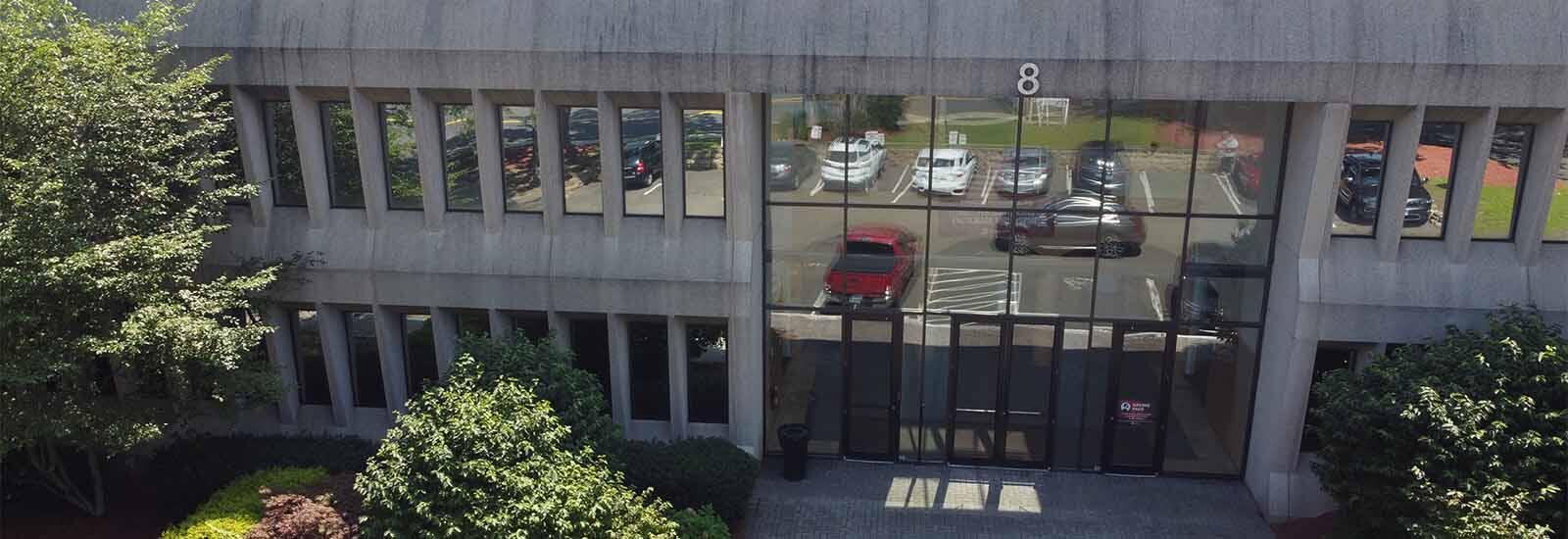
Loading…
← All schools
Lincoln Technical Institute-Shelton
Shelton, CTprivate forprofitwww.lincolntech.edu/campus/shelton-ct
Avg net price
$38,521
Earnings (10 yr)
$38,683
Acceptance & SAT from Common Data Set / IPEDS; net price, earnings & graduation from the U.S. Dept. of Education College Scorecard. Figures lag ~1–2 years — verify with the school.
Lincoln Technical Institute-Shelton is a straightforward, no-frills career school in suburban Connecticut where the mission is singular: train students for specific technical jobs and get them into the workforce, fast. With an open-admissions policy and a laser focus on hands-on programs like Licensed Practical Nurse training, electrical work, and medical assisting, it’s a place for those who want to skip the liberal arts lecture hall and get straight to the tools, scrubs, and lab equipment. The campus vibe is pragmatic and adult, geared toward career-changers and recent high school graduates alike who are looking for a direct, skills-based path to employment.
More details
- Undergrad enrollment
- 875
- Popular Majors
- Licensed Practical Nurse (LPN), Electrician, Medical Assistant
- Full-Time Students
- 72%
- Student Gender Ratio
- 40% Male, 60% Female
- Student-Faculty Ratio
- 20:1
- 2-Year Graduation Rate
- 28%
- 3-Year Graduation Rate
- 55%
- Median Earnings (10yr)
- $38,683
- Average Student Grant Aid
- $4,191
- Students Receiving Grant Aid
- 93%
Outcomes & value
Outcomes & value
- Median earnings (10 yr)
- $38,683
- Value (earnings ÷ net price)
- 1.0×
- Median debt at graduation
- $11,250
- Reducing loan balance (3 yr)
- 37%
- Pell (lower-income) share
- 61%
- First-gen share (among federal-aid recipients)
- 55%
Earnings = median of students working ~10 years after entry; debt = median of graduates. Value divides 10-yr earnings by one year’s net price — read it as earnings per dollar of annual cost, not a full lifetime ROI; it favors lower-cost schools. Source: U.S. Dept. of Education College Scorecard. Figures lag ~2 years and reflect all students, not your intended major.
Campus & location
Campus safety
- On-campus violent crimes (2024)
- 0
On-campus criminal offenses classed as violent (murder/non-negligent manslaughter, rape, robbery, aggravated assault) for the most recent reported year. Source: U.S. Dept. of Education Campus Safety and Security (Clery Act). Counts reflect what’s reported to the school, and urban campuses often report more partly due to non-student incidents nearby — read alongside campus size and setting, not as a standalone safety verdict.
Climate
- Pleasant days / yr
- 99
- Summer high
- 80°F
- Winter low
- 29°F
- Annual rain
- 56.2"
- Annual snow
- 21.7"
Pleasant days counts days per year with a mean temperature of 55–75°F, a high at or below 90°F, a low at or above 45°F, and little precipitation — a transparent comfort measure, not a weighting we invented. Computed from Open-Meteo ERA5 daily history (2019–2023).
Quick answers
- How much does Lincoln Technical Institute-Shelton cost?
- At Lincoln Technical Institute-Shelton, the average net price (after aid) is about $38,521 per year. Actual cost varies with financial aid and residency.
- How many undergraduates attend Lincoln Technical Institute-Shelton?
- Lincoln Technical Institute-Shelton enrolls approximately 875 undergraduate students.
- Where is Lincoln Technical Institute-Shelton located?
- Lincoln Technical Institute-Shelton is located in Shelton, CT.
Admissions
Admissions at Lincoln Tech-Shelton are defined by accessibility, not selectivity. The school operates on an open-admissions model, with Niche reporting a 100% . There is no mention of SAT or ACT requirements in the available sources, and the institution does not report a current acceptance rate on some admissions snapshots, which is typical for schools with open enrollment. The student body is relatively small, with total enrollment figures varying slightly between sources: Sallie reports 798 students, while Community College Review and Edsmart cite 875. The gender breakdown skews female, at 60% female and 40% male. The process is designed to be a gateway for career-focused individuals, not a competitive barrier. The initiative exists as a standard for data reporting, but none of the provided sources contain a specific CDS report for Lincoln Tech-Shelton that details factors like demonstrated interest; therefore, its role in admissions here is undefined.
Academics
Academics are purely vocational and accelerated. The school offers career training programs described as "essential" and "industry-leading," with a heavy emphasis on hands-on learning. Popular majors, according to Niche, include Licensed Practical Nurse Training (LPN), Electrician, and Medical Assistant. The campus tour video confirms training in these areas, positioning them as gateways to in-demand careers. The student-teacher ratio is reported as 20:1, which is noted as being higher than the state average. Completion rates are a key metric for a school of this type. College Raptor data shows a two-year graduation rate of 28%, a three-year rate of 55%, and a four-year rate of 58%. These figures reflect the varying program lengths and the fact that many students are balancing school with other life responsibilities. The curriculum is not about exploration but about targeted skill acquisition for immediate job readiness.
Compare Lincoln Technical Institute-Shelton
See colleges similar to Lincoln Technical Institute-Shelton →Sources
- Career Training School in Shelton, CT
- Lincoln Technical Institute-Shelton - Sallie
- Lincoln Technical Institute - Shelton
- Lincoln Technical Institute-Shelton - Community College Review
- Lincoln Technical Institute-Shelton - DFR Report HTML
- Common Data Set: Home
- Lincoln Technical Institute-Shelton Statistics
- Lincoln Technical Institute-Shelton - EDsmart 2026
- Accreditation Statistics for Lincoln Technical Institute-Shelton
- What makes Lincoln Tech a good school?
- Lincoln Tech in Shelton, CT - Career School Campus Tour