Admit rate has ranged 66%–90% over the last 5 years — notably volatile, though the latest figure above (64%) falls outside that window. Source: IPEDS via Urban Institute.
Acceptance & SAT from Common Data Set / IPEDS; net price, earnings & graduation from the U.S. Dept. of Education College Scorecard. Figures lag ~1–2 years — verify with the school.
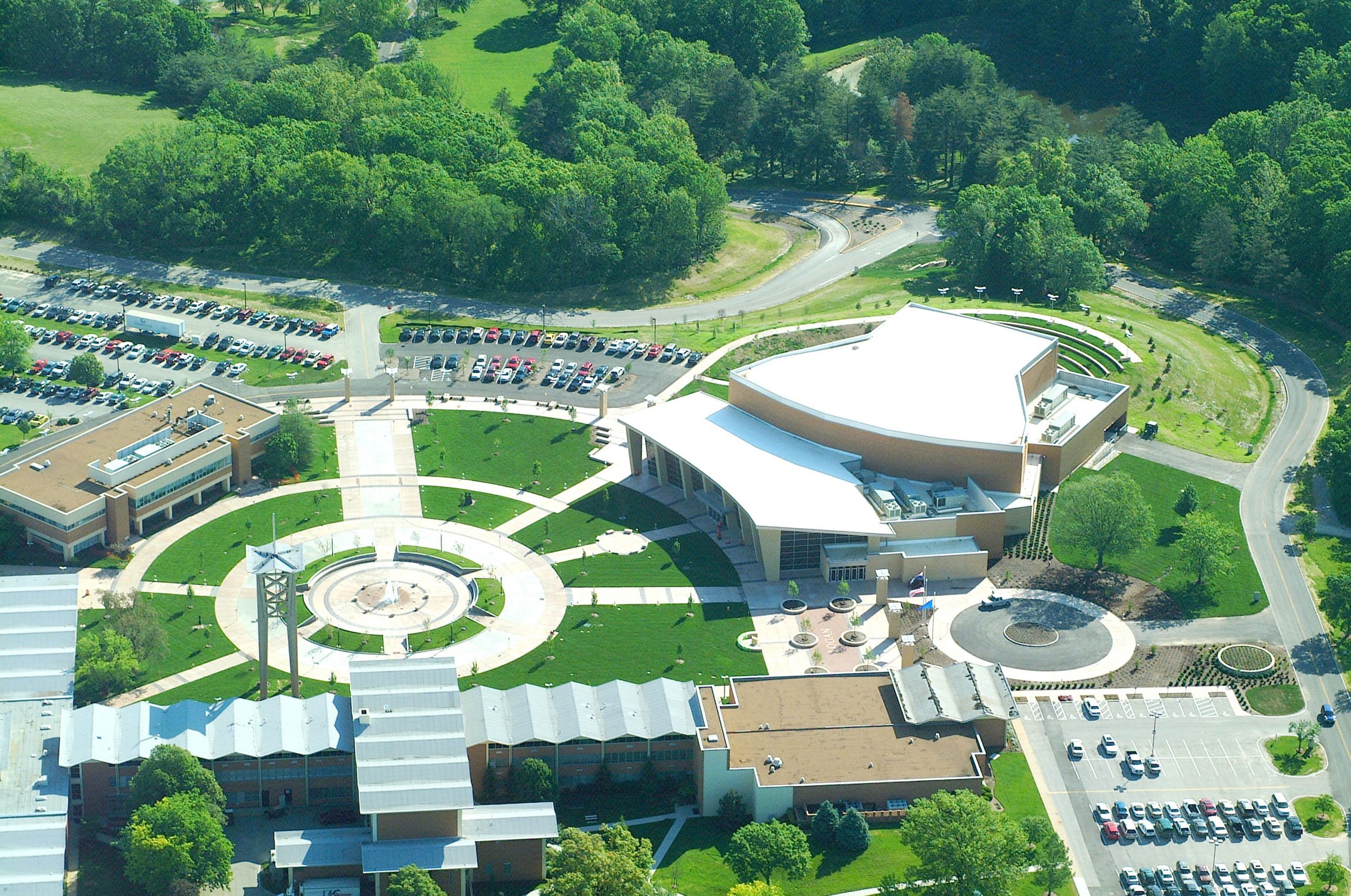
Logan University is a specialized health sciences institution in Chesterfield, Missouri, with a core identity as a top-tier chiropractic college. Its 112-acre campus provides a focused, hands-on environment for students pursuing careers in chiropractic, nutrition, and sports science, supported by a tight-knit community and a strong emphasis on evidence-informed, clinical practice. The university's profile is defined by its professional graduate focus, modest undergraduate enrollment, and a pragmatic approach to career preparation in natural healthcare fields.
Admission requirements
Test-optional — scores considered if submitted
Required
TOEFL (non-native English)
Considered (not required)
Grade point average
Test scores (SAT/ACT)
College-prep program
Source: IPEDS Admissions survey (2022) via Urban Institute. Covers formal factors only — it does not reflect essays, extracurriculars, or other holistic criteria.
More details
Undergrad enrollment
229
In-state tuition
$9,000
Out-of-state tuition
$9,000
Campus Size
112 acres
Graduation Rate
22%
Median Earnings (10yr)
$55,838
Student-to-Faculty Ratio
9:1
First-Year Retention Rate
50%
Outcomes & value
Outcomes & value
Median earnings (10 yr)
$55,838
Value (earnings ÷ net price)
2.8×
Median debt at graduation
$10,250
Graduation rate
22%
First-year retention
50%
Reducing loan balance (3 yr)
54%
Pell (lower-income) share
40%
First-gen share (among federal-aid recipients)
37%
Financial health
2.2 / 3.0Meets the federal financial-responsibility standard
U.S. Dept. of Education Financial Responsibility Composite Score (FY2022-23). Scale −1.0 to 3.0; ≥1.5 meets the standard. Reported for private nonprofit & for-profit institutions only — public universities are state-backed and not scored, so this is a stability signal, not a ranking.
Campus & location
Campus safety
On-campus violent crimes (2024)
0
Per 1,000 students
0.00
On-campus criminal offenses classed as violent (murder/non-negligent manslaughter, rape, robbery, aggravated assault) for the most recent reported year. Source: U.S. Dept. of Education Campus Safety and Security (Clery Act). Counts reflect what’s reported to the school, and urban campuses often report more partly due to non-student incidents nearby — read alongside campus size and setting, not as a standalone safety verdict.
Climate
Pleasant days / yr
82
Summer high
86°F
Winter low
28°F
Annual rain
54.9"
Annual snow
14.9"
Natural-hazard risk
Relatively High
Pleasant days counts days per year with a mean temperature of 55–75°F, a high at or below 90°F, a low at or above 45°F, and little precipitation — a transparent comfort measure, not a weighting we invented. Computed from Open-Meteo ERA5 daily history (2019–2023). Natural-hazard risk is the county’s composite rating from the FEMA National Risk Index.
Deep dive — research, future-scholar output & economic mobility▾
Research output
Institutional h-index
80
Scholarly works
607
Institutional research volume and impact from OpenAlex. The h-index reflects large research universities and will be low for teaching-focused liberal-arts colleges — not a measure of undergraduate quality.
Quick answers
What is the acceptance rate at Logan University?
Logan University's acceptance rate is approximately 64% (Chesterfield, MO), based on the most recent figures we compiled from public and primary sources.
How much does Logan University cost?
At Logan University, the average net price (after aid) is about $20,218 per year. Actual cost varies with financial aid and residency.
How many undergraduates attend Logan University?
Logan University enrolls approximately 229 undergraduate students.
Where is Logan University located?
Logan University is located in Chesterfield, MO.
Admissions
Logan University's admissions process is accessible, with a 64% for undergraduate applicants. The university sets clear minimum benchmarks for consideration: an ACT composite score of at least 23 or an SAT composite score of at least 1100. Students with an unweighted high school GPA between 2.0 and 2.49 may appeal for admission. The average admitted student profile includes an SAT score range of 930-1040, an ACT average of 20, and a high school GPA of 3.27. The application fee is $25. While the is a standard reporting format used by many institutions, including Yale, and the topic of demonstrated interest is widely discussed in admissions circles, the provided sources do not specify whether Logan University considers demonstrated interest in its evaluations, nor do they detail an Early Decision policy or acceptance rate specific to Logan. The admissions office can be contacted via email at [email protected] or by phone at 800-782-3344.
Earnings = median of students working ~10 years after entry; debt = median of graduates. Value divides 10-yr earnings by one year’s net price — read it as earnings per dollar of annual cost, not a full lifetime ROI; it favors lower-cost schools. Source: U.S. Dept. of Education College Scorecard. Figures lag ~2 years and reflect all students, not your intended major.
Academics at Logan are intensely focused on health sciences, built around a "science-based, evidence-informed curriculum." The university offers seven award-winning degrees, with its flagship being the Doctor of Chiropractic program; Logan bills itself as a "Top 4 chiropractic college." Other key programs include a Master of Science in Strength and Conditioning, described as an industry-driven program, and degrees in Nutrition and Sports Science. The student-to-faculty ratio is a notably low 9:1, facilitating close interaction. A distinctive feature is a faculty-led mentoring program designed to give students clarity, confidence, and direction through one-on-one guidance. The university emphasizes hands-on experience and diverse clinical immersion opportunities, partnering with firms like Hanover Research to integrate emerging technology and proven practices. Online degrees are also available, expanding access to its specialized graduate curricula.
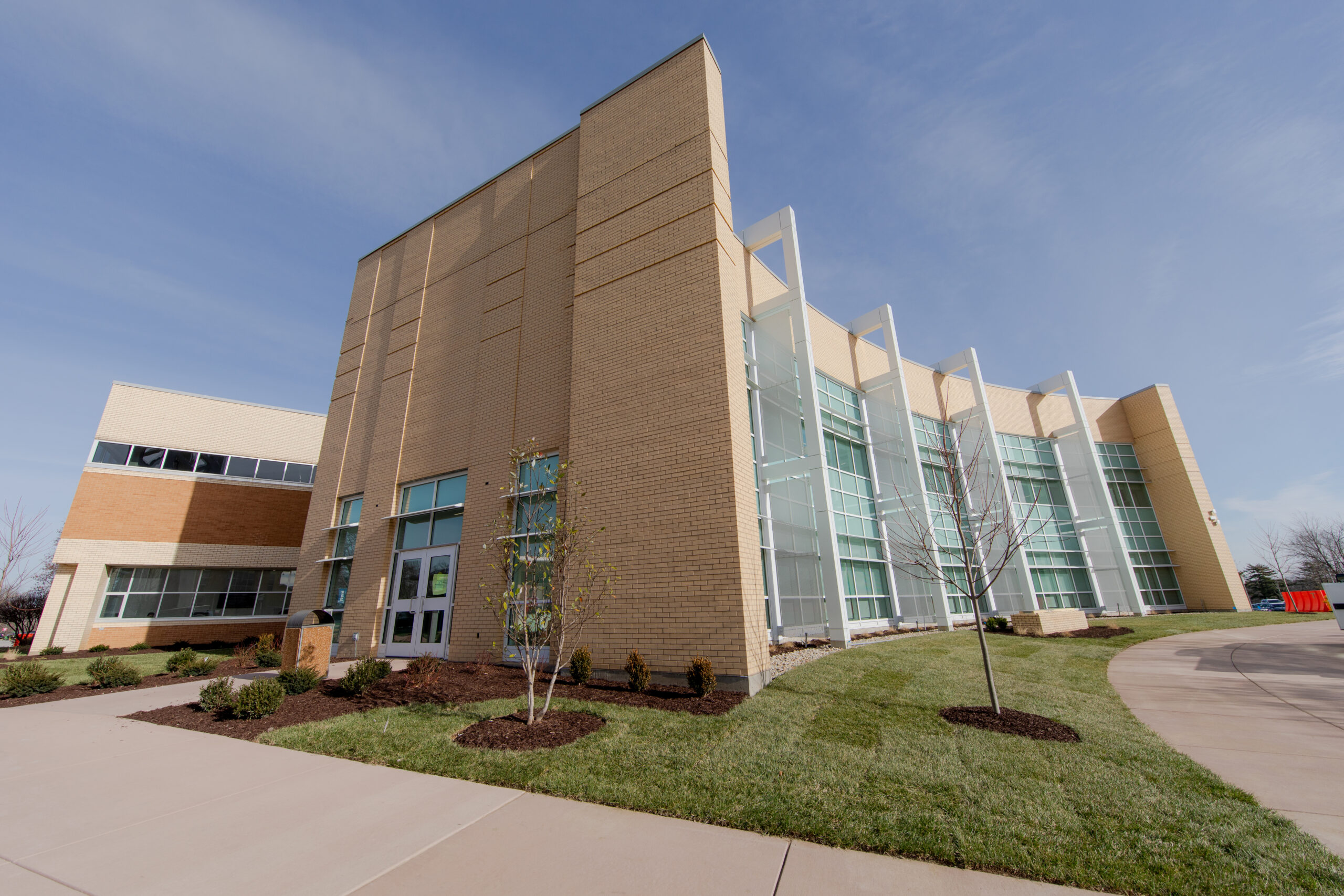
Life on Logan's 112-acre campus is defined by its community atmosphere and professional focus. The campus boasts significant green space, forests, and water features, offering a serene environment that one transfer student contrasted favorably with schools whose "entire campus is made up of one building." With a total undergraduate enrollment of just 272 students (as of Fall 2023), the community is small and intimate. Student life revolves heavily around professional and pre-professional organizations. There are over 30 student groups, including team sports, Greek organizations, and various chiropractic technique clubs, which provide opportunities for students to serve and connect. Campus traditions and community-building events, like communal lunches, are highlighted as strengthening the campus community. A unique and solemn aspect of campus culture is the Anatomical Donor Program, which is built on trust, dignity, and respect for those who choose to advance healthcare education.
Outcomes for Logan graduates are tracked through measures like course grades, board scores, graduation rates, and student loan default rates. The university's six-year graduation rate is 22%. The first-year retention rate—a indicator of student satisfaction and academic fit—is 50%. For career outcomes, median earnings ten years after entry are $55,838. An alumni survey from Summer 2019, which collected data from 130 graduates earning bachelor's, master's, or doctorate degrees, provides another data point, though specific figures from that report are not detailed in the snippet. Other sources note that early-career graduates earn about $41,000 on average. These figures reflect the mixed outcomes typical of specialized health professions, where advanced doctoral degrees (like the DC) can lead to strong long-term earnings, but undergraduate and some graduate programs may have more variable returns.
The average for students after aid is $20,218. Students can estimate their individual costs using the university's Net Price Calculator. Logan offers a variety of financial aid resources, including endowed scholarships, federal direct loans for undergraduate and graduate/professional students, and other aid programs. The Office of Financial Aid assists students in identifying and applying for appropriate aid. One source notes an average aid package of $5,319 and a cost after scholarships and grants of $11,144, though these figures may represent specific subsets of students. The university's financial aid materials indicate that eligibility for certain loans is not based on financial need but may require a credit check. The provided sources do not indicate that Logan University has a policy of meeting 100% of demonstrated financial need or a no-loan policy for qualifying students.
Logan University stands out for its singular, unwavering focus as a premier chiropractic and natural health sciences institution. It’s not a liberal arts college with a pre-health track; it is a professional graduate school at its core, with a small undergraduate arm feeding into its specialized missions. The 9:1 student-faculty ratio and faculty-led mentoring program create an environment of close, personalized guidance rare even in small colleges. Its 112-acre campus provides a sprawling, wooded retreat for study, a stark contrast to the urban or cramped settings of many specialized schools. The culture is deeply embedded in hands-on, evidence-informed care, exemplified by its respected Anatomical Donor Program and plethora of chiropractic technique clubs. For a student certain of a career in chiropractic, strength conditioning, or nutrition, Logan offers a direct, immersive, and community-oriented path that bypasses the broad exploration of a traditional university for targeted, professional preparation.
Logan University seal · sourceExperience Logan - Logan University · sourceLogan University · sourceLogan Campus Master Plan | TR,i Architects St. Louis · source

.gif)