Loading…
← All schools
Lorain County Joint Vocational School District
Oberlin, OHpublicacc.loraincountyjvs.com
Avg net price
$11,578
Earnings (10 yr)
$35,776
Acceptance & SAT from Common Data Set / IPEDS; net price, earnings & graduation from the U.S. Dept. of Education College Scorecard. Figures lag ~1–2 years — verify with the school.
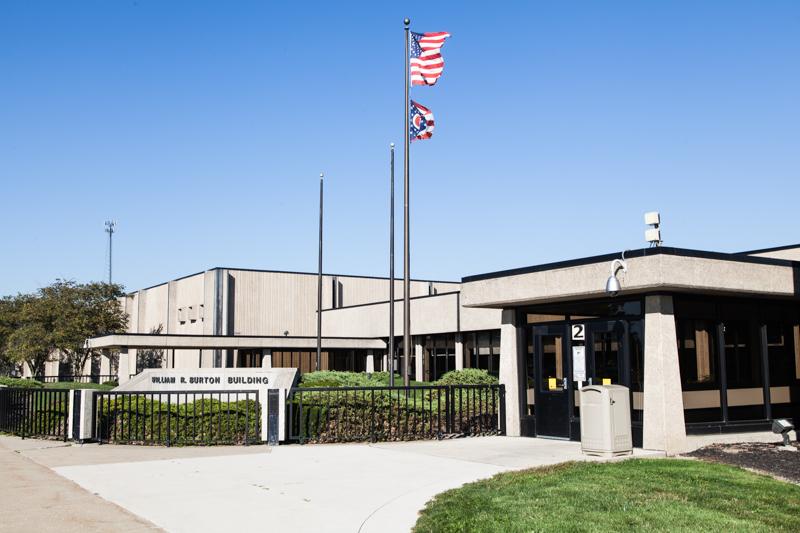
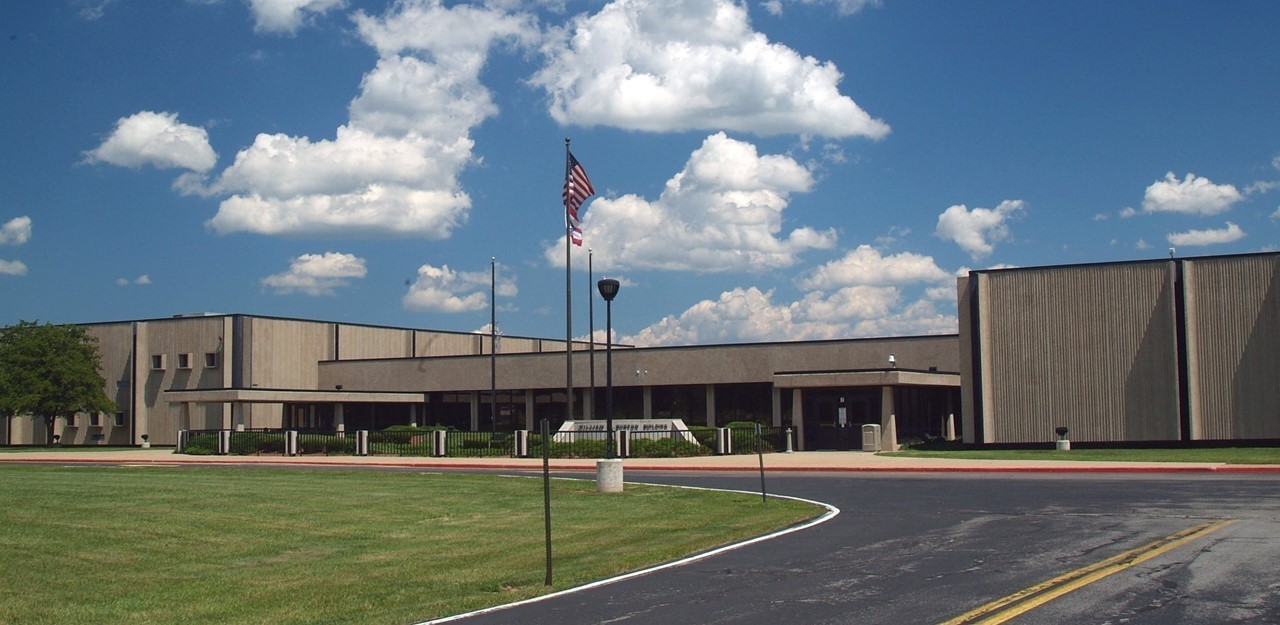
Lorain County Joint Vocational School District isn't a traditional university; it's a public career-technical powerhouse serving high school juniors/seniors and adult learners in Oberlin, Ohio. Its singular focus is on translating academic strengths into immediate, hands-on career pathways, with students collectively logging tens of thousands of work-based learning hours. The vibe is intensely practical, with acceptance packets signaling a direct route to employment, apprenticeships, or further education, not just a diploma.
More details
- Undergrad enrollment
- 87
- Avg. Student Grant Aid
- $5,320
- % Students Receiving Grant Aid
- 65%
- Median Earnings 1 Year After Graduation
- $28,916 per year
Outcomes & value
Outcomes & value
- Median earnings (10 yr)
- $35,776
- Value (earnings ÷ net price)
- 3.1×
- Reducing loan balance (3 yr)
- 58%
- Pell (lower-income) share
- 33%
- First-gen share (among federal-aid recipients)
- 61%
Earnings = median of students working ~10 years after entry; debt = median of graduates. Value divides 10-yr earnings by one year’s net price — read it as earnings per dollar of annual cost, not a full lifetime ROI; it favors lower-cost schools. Source: U.S. Dept. of Education College Scorecard. Figures lag ~2 years and reflect all students, not your intended major.
Campus & location
Campus safety
- On-campus violent crimes (2024)
- 0
On-campus criminal offenses classed as violent (murder/non-negligent manslaughter, rape, robbery, aggravated assault) for the most recent reported year. Source: U.S. Dept. of Education Campus Safety and Security (Clery Act). Counts reflect what’s reported to the school, and urban campuses often report more partly due to non-student incidents nearby — read alongside campus size and setting, not as a standalone safety verdict.
Climate
- Pleasant days / yr
- 97
- Summer high
- 80°F
- Winter low
- 25°F
- Annual rain
- 43.3"
- Annual snow
- 31.6"
- Natural-hazard risk
- Relatively Moderate
Pleasant days counts days per year with a mean temperature of 55–75°F, a high at or below 90°F, a low at or above 45°F, and little precipitation — a transparent comfort measure, not a weighting we invented. Computed from Open-Meteo ERA5 daily history (2019–2023). Natural-hazard risk is the county’s composite rating from the FEMA National Risk Index.
Quick answers
- How much does Lorain County Joint Vocational School District cost?
- At Lorain County Joint Vocational School District, the average net price (after aid) is about $11,578 per year. Actual cost varies with financial aid and residency.
- How many undergraduates attend Lorain County Joint Vocational School District?
- Lorain County Joint Vocational School District enrolls approximately 87 undergraduate students.
- Where is Lorain County Joint Vocational School District located?
- Lorain County Joint Vocational School District is located in Oberlin, OH.
Admissions
Admissions at Lorain County JVS operates on two distinct tracks, each with its own gatekeepers. For the high school program, the pool is limited to students from the 13 associate schools within Lorain County, who apply to attend during their junior and senior years. The process is formalized with mailed acceptance packets that contain all necessary admission materials. For adult learners, the bar is set by age and credential: students must be 18 or older and possess a high school diploma or GED to enroll in the Council on Occupational Education (COE)-accredited programs. The institution is not selective in the traditional collegiate sense; Niche reports a 100% . The student body is relatively small, with a full-time enrollment of 51 and a part-time enrollment of 36, meaning 58.6% of students are enrolled full-time. Prospective students or parents are directed to contact the JVS Recruitment Office or their associate school counselor for guidance.
Compare Lorain County Joint Vocational School District
vs Chicago State Universityvs United States Coast Guard Academyvs University of Minnesota-Morrisvs Dickinson State University
See colleges similar to Lorain County Joint Vocational School District →Sources
- Info about the high school and acc - Lorain County JVS
- Enrollment - Apply Today - Lorain County JVS Adult Career Center
- Lorain County Joint Vocational School District - Data USA
- Lorain County JVS acceptance packets mailed for hands-on learning
- Lorain County Joint Vocational School District | College Scorecard
- [PDF] Lorain County JVS Adult Career Center
- Lorain County Joint Vocational School District - Niche
- Your High School - Lorain County JVS High School
- Lorain County Joint Vocational School District - Oberlin, OH - Appily