Loading…
← All schools
Lynnes Welding Training
Fargo, NDprivate forprofitlearntoweld.com/
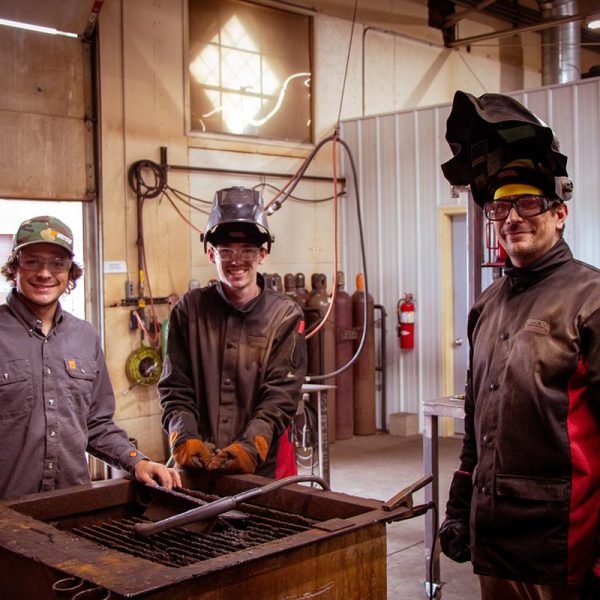
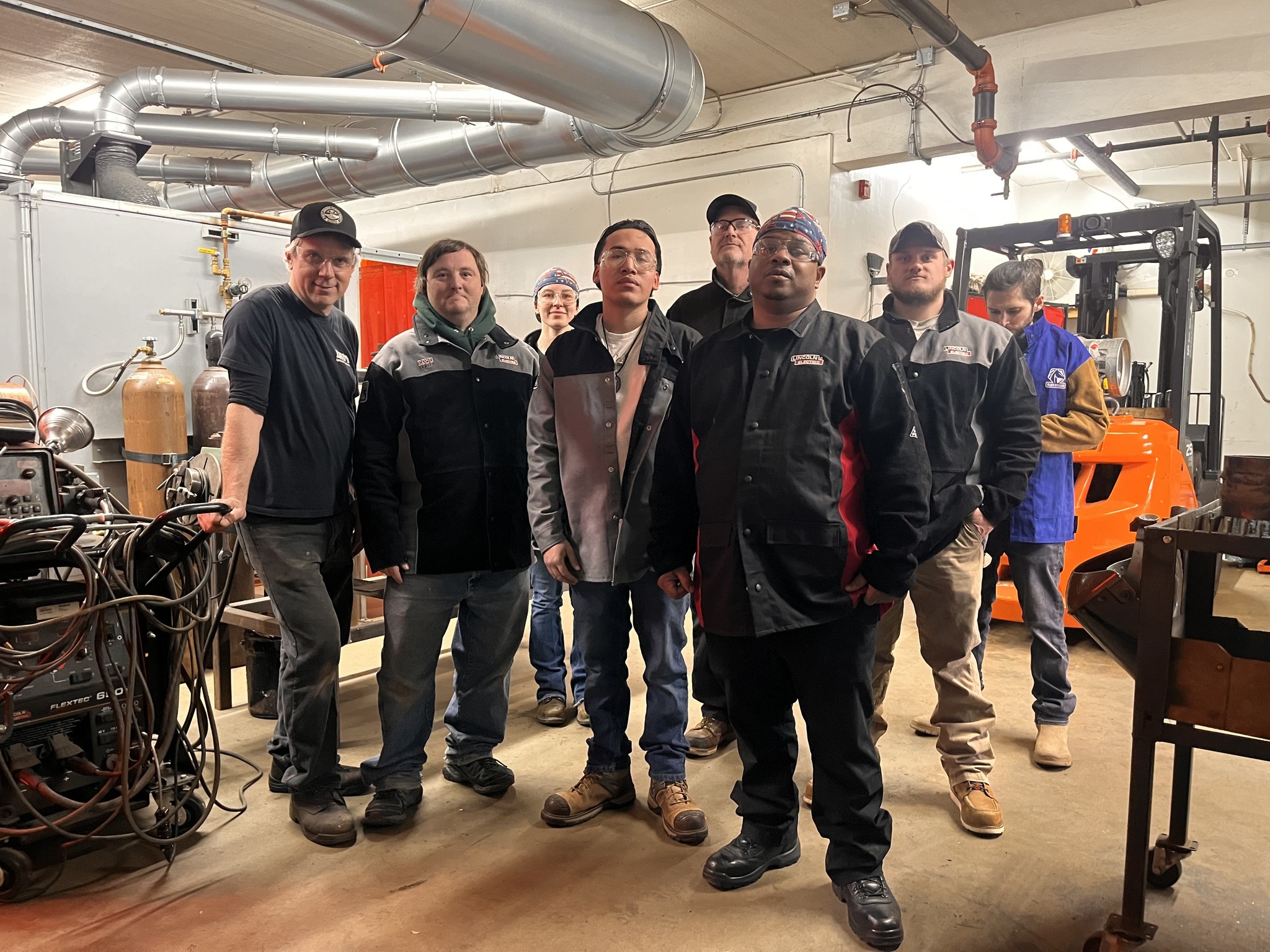
Lynnes Welding Training is a no-nonsense, hyper-focused trade school where the mission is singular: turn novices into job-ready welders in weeks, not years. With campuses in Fargo and Bismarck, North Dakota, and New Hope, Minnesota, it operates on a pragmatic, open-admission model, stripping away everything but the essential hands-on skills employers demand. The culture is blue-collar intensive, defined by small classes, immediate torch time, and a starkly effective curriculum that yields near-perfect graduation rates and strong median earnings for graduates.
More details
- Undergrad enrollment
- 55
- Campuses
- Fargo, ND; Bismarck, ND; New Hope, MN
- Top Major
- Precision Production
- Program Length
- 3-5 weeks to 4-month programs
- Graduation Rate
- 95%
- Student-Faculty Ratio
- 12:1
- Median Earnings (10yr)
- $57,403
Outcomes & value
Outcomes & value
- Pell (lower-income) share
- 15%
Earnings = median of students working ~10 years after entry; debt = median of graduates. Value divides 10-yr earnings by one year’s net price — read it as earnings per dollar of annual cost, not a full lifetime ROI; it favors lower-cost schools. Source: U.S. Dept. of Education College Scorecard. Figures lag ~2 years and reflect all students, not your intended major.
Financial health
1.0 / 3.0Passing, but in the added-oversight zone
U.S. Dept. of Education Financial Responsibility Composite Score (FY2022-23). Scale −1.0 to 3.0; ≥1.5 meets the standard. Reported for private nonprofit & for-profit institutions only — public universities are state-backed and not scored, so this is a stability signal, not a ranking.
Campus & location
Campus safety
- On-campus violent crimes (2024)
- 0
On-campus criminal offenses classed as violent (murder/non-negligent manslaughter, rape, robbery, aggravated assault) for the most recent reported year. Source: U.S. Dept. of Education Campus Safety and Security (Clery Act). Counts reflect what’s reported to the school, and urban campuses often report more partly due to non-student incidents nearby — read alongside campus size and setting, not as a standalone safety verdict.
Climate
- Pleasant days / yr
- 92
- Summer high
- 82°F
- Winter low
- 5°F
- Annual rain
- 20.8"
- Annual snow
- 39.9"
- Natural-hazard risk
- Relatively Moderate
Pleasant days counts days per year with a mean temperature of 55–75°F, a high at or below 90°F, a low at or above 45°F, and little precipitation — a transparent comfort measure, not a weighting we invented. Computed from Open-Meteo ERA5 daily history (2019–2023). Natural-hazard risk is the county’s composite rating from the FEMA National Risk Index.
Quick answers
- How much does Lynnes Welding Training cost?
- At Lynnes Welding Training, the average net price (after aid) is about $22,960 per year. Actual cost varies with financial aid and residency.
- How many undergraduates attend Lynnes Welding Training?
- Lynnes Welding Training enrolls approximately 55 undergraduate students.
- Where is Lynnes Welding Training located?
- Lynnes Welding Training is located in Fargo, ND.
Admissions
Forget , recommendation letters, or demonstrated interest—Lynnes Welding Training's admissions philosophy is radically straightforward. The school operates on an open admission policy, with entrance open to "almost any prospective student with a desire to learn how to weld." There are no reported SAT or ACT ranges, high school GPA requirements, or class rank considerations. The process is designed for accessibility, with new classes starting monthly across its campuses, open 50 weeks per year. This is a school for those who want to start working with their hands immediately, not navigate a complex application gauntlet. Sources indicate are not reported or are effectively 100%, reflecting its mission-driven, non-selective approach.
Academics
The academic experience here is a laser-focused immersion into the welding trade. There are no "generals" classes; every minute of instruction is dedicated to welding-related knowledge and technique. The school's singular, highly specialized major is , with 103 degrees awarded in 2024. The curriculum covers everything from basic Shielded Metal Arc Welding (Stick) to advanced processes like MIG, TIG, and Pipe welding.
Compare Lynnes Welding Training
See colleges similar to Lynnes Welding Training →Sources
- 2023-2024 Common Data Set (CDS) - Boca Raton
- Common Data Set: Home
- Common Data Set 2023 – 2024
- Decoding the Common Data Set What You Need to Know for ...
- Common Data Set | Office of Institutional Research
- The Discount Data That Some Colleges Still Won't Publish
- Lynnes Welding Training Admissions - BigFuture College Search
- Class of 2029 Profile - Tulane Admission
- Lynnes Welding Training - Ramsey — Acceptance Rate, Costs & More
- Net Price Calculator | Lynnes Welding Training
- Complete Welder I - Lynnes Welding Training