Loading…
← All schools
Massachusetts School of Barbering
Quincy, MAprivate forprofitmassschoolofbarbering.com/
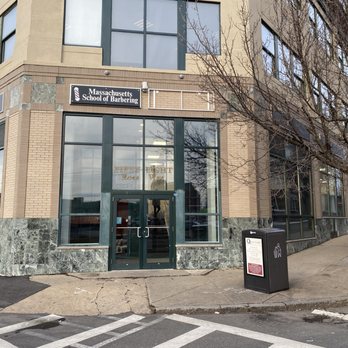
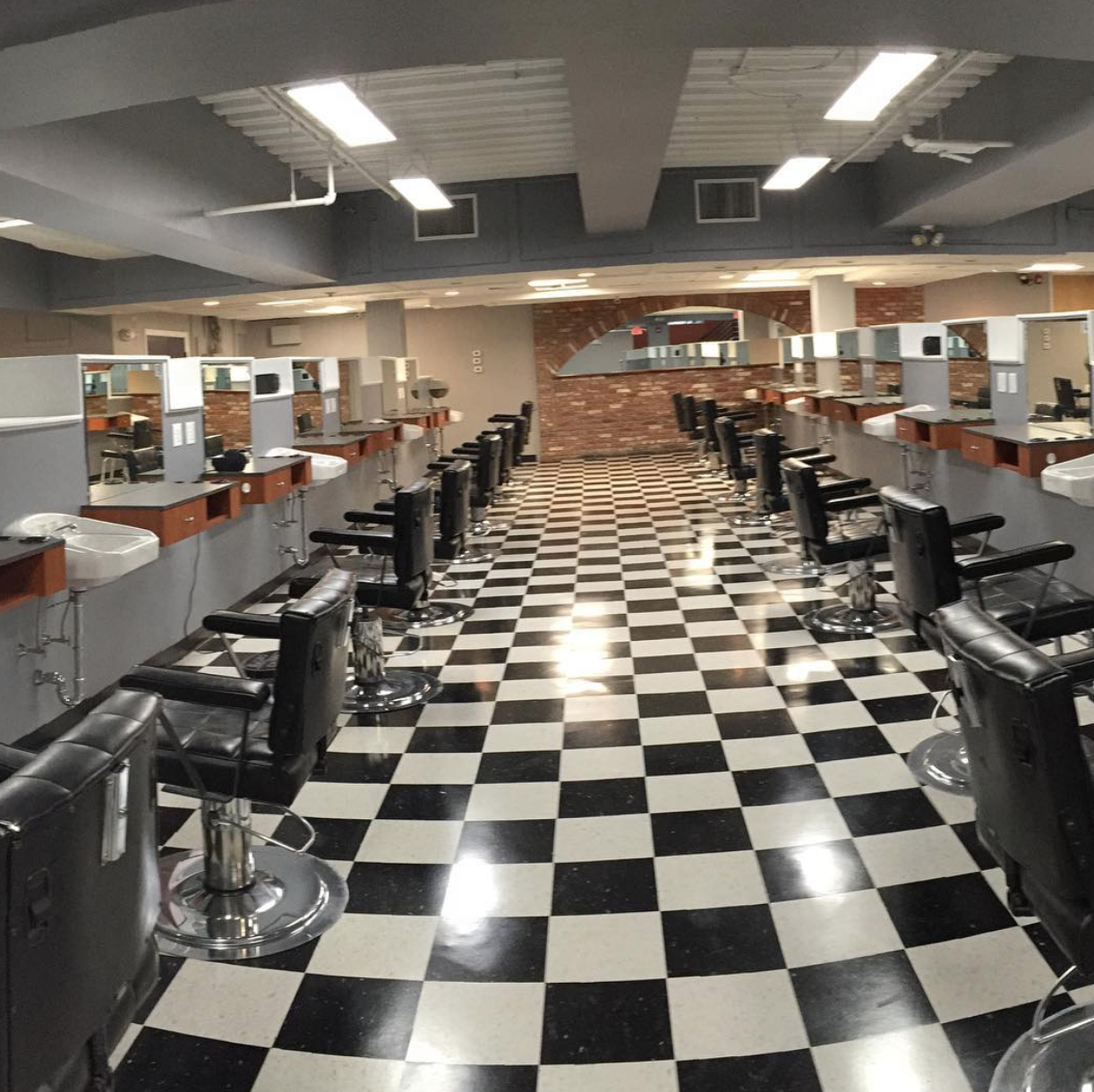
The Massachusetts School of Barbering in Quincy is a tiny, intensely practical trade school where the entire curriculum is the craft itself. Forget dorms and dining halls—this is a no-frills, hands-on apprenticeship model where students log hundreds of hours on real clients to earn a professional barbering license. It’s a direct pipeline into the workforce, defined by its singular focus, small cohorts, and a culture that treats barbering as both a trade and an art form.
More details
- Undergrad enrollment
- 44
- Location
- Quincy, MA
- Graduation Rate
- 77%
- Institution Type
- Private, for-profit, less-than-2-year
- Single Program Offered
- Barbering/Barber
- Typical Annual Graduates
- ~35
Outcomes & value
Outcomes & value
- Median debt at graduation
- $8,294
- Reducing loan balance (3 yr)
- 37%
- Pell (lower-income) share
- 60%
- First-gen share (among federal-aid recipients)
- 53%
Earnings = median of students working ~10 years after entry; debt = median of graduates. Value divides 10-yr earnings by one year’s net price — read it as earnings per dollar of annual cost, not a full lifetime ROI; it favors lower-cost schools. Source: U.S. Dept. of Education College Scorecard. Figures lag ~2 years and reflect all students, not your intended major.
Financial health
2.4 / 3.0Meets the federal financial-responsibility standard
U.S. Dept. of Education Financial Responsibility Composite Score (FY2022-23). Scale −1.0 to 3.0; ≥1.5 meets the standard. Reported for private nonprofit & for-profit institutions only — public universities are state-backed and not scored, so this is a stability signal, not a ranking.
Campus & location
Campus safety
- On-campus violent crimes (2024)
- 0
On-campus criminal offenses classed as violent (murder/non-negligent manslaughter, rape, robbery, aggravated assault) for the most recent reported year. Source: U.S. Dept. of Education Campus Safety and Security (Clery Act). Counts reflect what’s reported to the school, and urban campuses often report more partly due to non-student incidents nearby — read alongside campus size and setting, not as a standalone safety verdict.
Climate
- Pleasant days / yr
- 102
- Summer high
- 79°F
- Winter low
- 27°F
- Annual rain
- 38.4"
- Annual snow
- 30.6"
- Natural-hazard risk
- Relatively Moderate
Pleasant days counts days per year with a mean temperature of 55–75°F, a high at or below 90°F, a low at or above 45°F, and little precipitation — a transparent comfort measure, not a weighting we invented. Computed from Open-Meteo ERA5 daily history (2019–2023). Natural-hazard risk is the county’s composite rating from the FEMA National Risk Index.
Quick answers
- How much does Massachusetts School of Barbering cost?
- At Massachusetts School of Barbering, the average net price (after aid) is about $15,216 per year. Actual cost varies with financial aid and residency.
- How many undergraduates attend Massachusetts School of Barbering?
- Massachusetts School of Barbering enrolls approximately 44 undergraduate students.
- Where is Massachusetts School of Barbering located?
- Massachusetts School of Barbering is located in Quincy, MA.
Admissions
Admissions at the Massachusetts School of Barbering operate on a fundamentally different plane than the traditional undergraduate application circus. There are no SAT scores to submit, no essays about personal growth, and no early decision rounds. This is a vocational gateway where the primary criteria are a student's commitment to entering the trade. The institution is exceptionally small, with a total undergraduate population of just 44 students—31 full-time and 13 part-time—making each cohort an intimate group. While specific data isn't published in the provided sources, the school's niche focus and practical orientation suggest an admissions process geared toward readiness for hands-on training rather than academic pedigree. Prospective students navigate a process focused on program fit and practical logistics, not the of a liberal arts college.
Academics
Academic life here has one track: barbering. The school offers a single, concentrated program in Barbering/Barber, which typically graduates about 35 students annually. This isn't a major chosen from a catalog; it's the entire curriculum. The mission is explicitly vocational: 'to provide the highest quality educational services for students interested in the barbering industry' with a focus on 'professional training and certification.' Every element of the program is designed around mastering the trade—from classic cuts and straight-razor shaves to sanitation, business practices, and client interaction. Instruction is deeply practical, built on the apprenticeship model where classroom theory is immediately applied in a working barbershop environment. There are no general education requirements, no electives in philosophy, and no study abroad semesters; the education is a direct, immersive dive into the skills needed for state licensure and a successful career behind the chair.
Compare Massachusetts School of Barbering
See colleges similar to Massachusetts School of Barbering →Sources
- MCLA-Common-Data-Set-2023-2024. ...
- Massachusetts School of Barbering - Sallie
- Common Data Set Explorer 2026: Compare 100 Colleges
- Common Data Set: Home
- Common Data Set (2025-26)
- Massachusetts School of Barbering
- Massachusetts
- Mass.gov
- Massachusetts Rankings | U.S. News Best States
- Secretary of the Commonwealth of Massachusetts
- University of Massachusetts
- VisitMA: Things to Do in Massachusetts | Things to Do in Boston