Admit rate has ranged 52%–85% over the last 5 years — notably volatile. Source: IPEDS via Urban Institute.
Acceptance & SAT from Common Data Set / IPEDS; net price, earnings & graduation from the U.S. Dept. of Education College Scorecard. Figures lag ~1–2 years — verify with the school.
McPherson College is a small, private liberal arts college in central Kansas that operates with a distinctive, hands-on ethos. Its identity is anchored by a surprisingly robust automotive restoration program and a tight-knit, residential campus culture where nearly everyone receives financial aid. While graduation rates present a challenge, the college touts strong employment outcomes for its graduates, positioning itself as a practical, career-focused alternative to more theoretical liberal arts experiences.
Admission requirements
Test-optional — scores considered if submitted
Required
High school transcript
Grade point average
TOEFL (non-native English)
Considered (not required)
Test scores (SAT/ACT)
Source: IPEDS Admissions survey (2022) via Urban Institute. Covers formal factors only — it does not reflect essays, extracurriculars, or other holistic criteria.
More details
Undergrad enrollment
872
In-state tuition
$37,310
Out-of-state tuition
$37,310
Graduation Rate
34%
On-Campus Students
81%
First-Year Retention
65%
Median Earnings (10yr)
$52,084
Students Receiving Aid
100%
Most Popular Major (2024)
Engineering/Technicians (24%)
Outcomes & value
Outcomes & value
Median earnings (10 yr)
$52,084
Value (earnings ÷ net price)
2.0×
Median debt at graduation
$25,242
Graduation rate
34%
First-year retention
65%
Reducing loan balance (3 yr)
66%
Pell (lower-income) share
38%
First-gen share (among federal-aid recipients)
31%
Campus & location
Campus safety
On-campus violent crimes (2024)
0
Per 1,000 students
0.00
On-campus criminal offenses classed as violent (murder/non-negligent manslaughter, rape, robbery, aggravated assault) for the most recent reported year. Source: U.S. Dept. of Education Campus Safety and Security (Clery Act). Counts reflect what’s reported to the school, and urban campuses often report more partly due to non-student incidents nearby — read alongside campus size and setting, not as a standalone safety verdict.
Climate
Pleasant days / yr
73
Summer high
90°F
Winter low
26°F
Annual rain
27.8"
Annual snow
13.3"
Natural-hazard risk
Very Low
Pleasant days counts days per year with a mean temperature of 55–75°F, a high at or below 90°F, a low at or above 45°F, and little precipitation — a transparent comfort measure, not a weighting we invented. Computed from Open-Meteo ERA5 daily history (2019–2023). Natural-hazard risk is the county’s composite rating from the FEMA National Risk Index.
Deep dive — research, future-scholar output & economic mobility▾
Research output
Institutional h-index
60
Scholarly works
566
Institutional research volume and impact from OpenAlex. The h-index reflects large research universities and will be low for teaching-focused liberal-arts colleges — not a measure of undergraduate quality.
Economic mobility
Mobility rate
3.4%
Bottom → top quintile
29%
From bottom quintile
12%
Mobility rate = the share of students who both start in the bottom household-income quintile and reach the top quintile; bottom → top is that chance conditional on starting at the bottom. Source: Opportunity Insights Mobility Report Cards (Chetty, Friedman, Saez, Turner & Yagan). Reflects 1980–82 birth cohorts, so it’s directional, not current.
Quick answers
What is the acceptance rate at McPherson College?
McPherson College's acceptance rate is approximately 77% (McPherson, KS), based on the most recent figures we compiled from public and primary sources.
What SAT score do you need for McPherson College?
Admitted students at McPherson College typically score 960–1200 on the SAT (the middle-50% range). Scores outside this band are still admitted, especially with strong applications.
How much does McPherson College cost?
At McPherson College, the average net price (after aid) is about $26,441 per year. Actual cost varies with financial aid and residency.
How many undergraduates attend McPherson College?
McPherson College enrolls approximately 872 undergraduate students.
Where is McPherson College located?
McPherson College is located in McPherson, KS.
Admissions
McPherson College practices a moderately selective admissions process, evaluating applicants holistically. The college states that for admission consideration, it looks for a high school GPA between 2.0 and 3.0, an SAT combined score of at least 940, or an ACT composite score of at least 18. The admissions office reviews a variety of factors, though the specific weight given to academic and non-academic criteria is detailed in the . The process includes two acceptance dates: one in early November and another in early February. Demonstrated interest—such as campus visits or contact with admissions—is a factor that some colleges track, but its specific consideration at McPherson must be verified in the C7 section of its Common Data Set.
Prospective students can contact the admissions office via email at [email protected] or by phone at 620-242-0400 (or toll-free at 800-365-7402).
Earnings = median of students working ~10 years after entry; debt = median of graduates. Value divides 10-yr earnings by one year’s net price — read it as earnings per dollar of annual cost, not a full lifetime ROI; it favors lower-cost schools. Source: U.S. Dept. of Education College Scorecard. Figures lag ~2 years and reflect all students, not your intended major.
McPherson College's academic philosophy centers on the "energetic pursuit of knowledge" through hands-on projects and collaborative exploration. The curriculum is a blend of traditional liberal arts and career-oriented programs, with many majors offering various emphases and licensure tracks for education careers.
The most popular majors reveal a practical, technical leaning. For the 2024 graduating class, Engineering/Technicians accounted for 24% of degrees, followed by Business, Management, Marketing, and Related Support Services at 19%, and Health Professions. Other consistently popular majors include Business Administration and Management, Health Sciences, and Elementary Education and Teaching. The college's unique standout is its Automotive Engineering Technician program, which is a significant draw.
For students eyeing advanced degrees, McPherson offers pre-professional advising. Recommended majors for pre-law students include Philosophy and Religion: Pre-Law, Sociology with a Criminal Justice emphasis, and Politics and History.
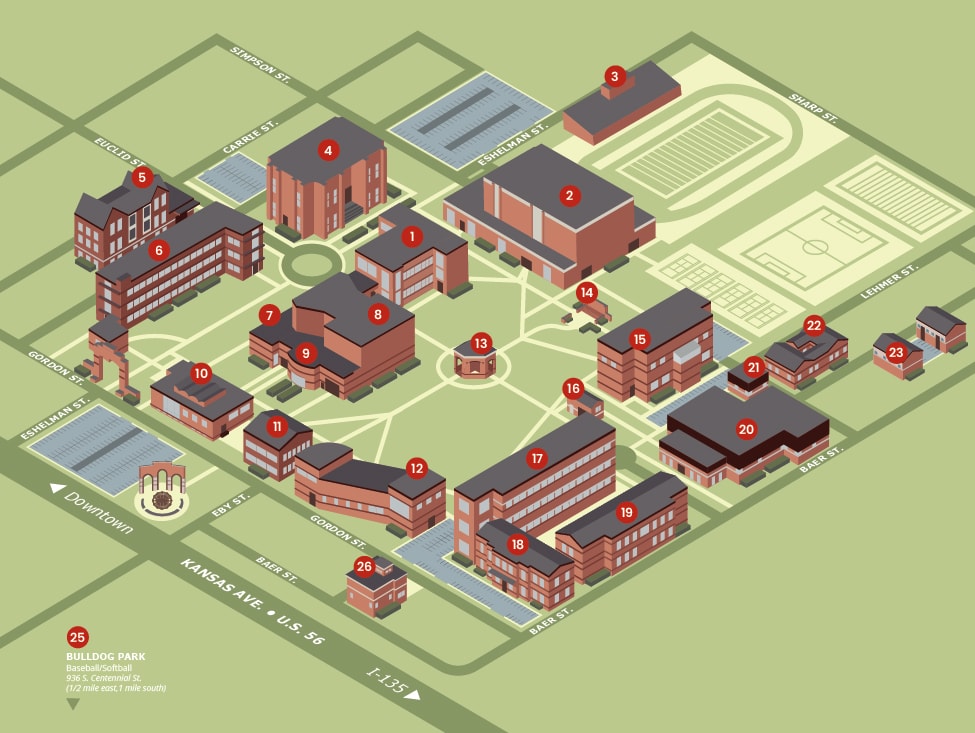
Life at McPherson is intensely residential and communal, designed to foster an easy transition from home to college. The college reports that 81% of students live in college-owned, -operated, or -affiliated housing, with just 19% living off-campus. This creates a campus where students are, quite literally, steps away from classes and activities.
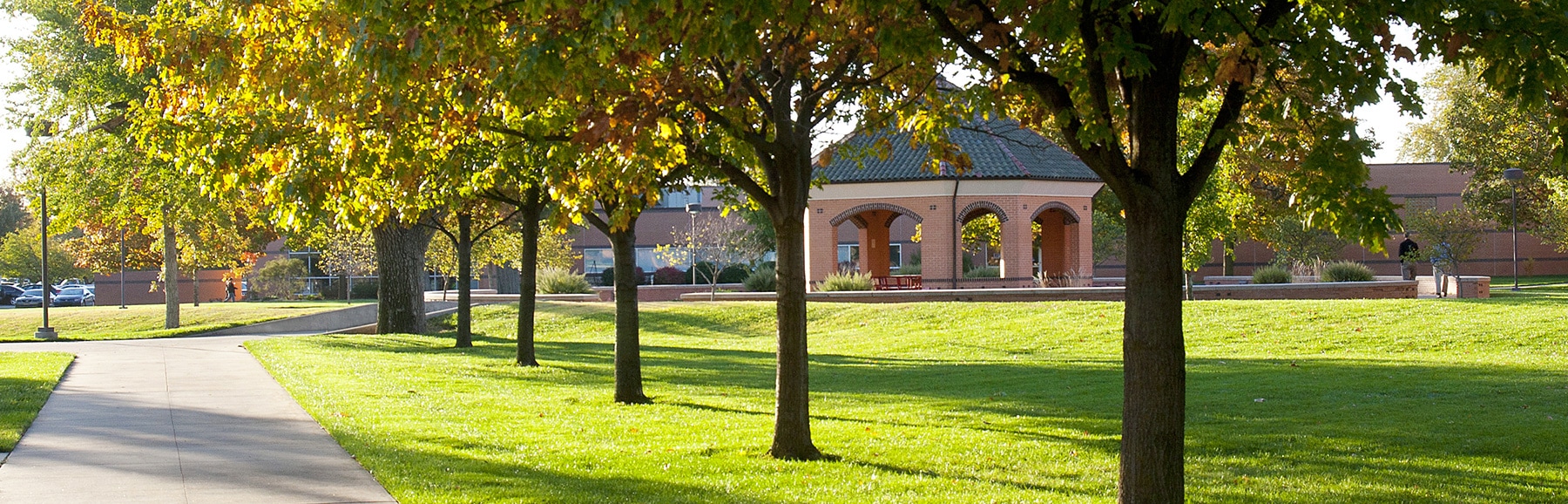
The environment is frequently described as friendly, supportive, and possessing a "hometown feeling" that helps students feel at home. This close-knit atmosphere cultivates deep connections; alumni often cite the lifelong friendships and relationships formed on campus as a defining feature of their experience. The college facilitates this through organized student life, including Student Government, Dining Services, Career Connections, and Spiritual Life, all accessible through the campus portal, Bulldog Connect.
Post-graduate outcomes are a mixed picture, with the college highlighting strong job placement rates alongside graduation metrics that lag national averages. McPherson College reports that its graduates "continue to secure employment or graduate school placement before graduation at a rate 3-4 times higher than the" national average, a significant claim of career readiness.
However, overall graduation rates are a noted challenge. One source reports an overall graduation rate of 52%, placing it in the lower 40th percentile nationally, with male students graduating at a slightly lower rate than female students. Other sources cite a 4-year graduation rate of 52% and a 6-year rate of 58%. The first-year retention rate is reported at 65%.
In terms of earnings, median income one year after graduation is reported as $36,427. The economic impact of alumni is substantial, with one study estimating that McPherson College alumni generate $69.5 million in economic output for Kansas, support 437 jobs, and contribute $4.3 million in state and local taxes.
Financial aid is nearly universal at McPherson College, fundamentally shaping the . Data indicates that 100% of full-time beginning undergraduates receive grant or scholarship aid. The average after scholarships and grants is reported to be $25,490, with the average aid package totaling $29,281.
The college provides an online Net Price Calculator to offer prospective students an estimate of their individual net price. The financial aid awarding policy considers a variety of factors including academic achievement and participation in co-curricular activities. Students must be admitted to the college to be considered for aid, and the Financial Aid Office can be contacted at [email protected] or 800-365-7402.
It is important to note that the college's materials discuss federal loan policies and changes, but there is no indication from the provided sources that McPherson College has a "no-loan" policy where 100% of financial need is met with grants alone. Federal loan amounts can be reduced for students enrolled less than full-time.
McPherson College carves out a distinctive niche by marrying a small, supportive liberal arts community with unapologetically hands-on, career-focused education. Its identity is not that of a theoretical ivory tower, but of a practical launchpad. This is most vividly embodied in its automotive restoration program, which attracts a dedicated cohort and sets the college apart from typical Kansas liberal arts schools.
The campus culture is its other superpower. The intensely residential model (over 80% live on campus) and the consciously fostered "hometown feeling" create a level of student connection and support that large universities can't replicate. Alumni consistently point to the lifelong relationships forged there as the core of the experience.
Finally, its financial model is built on accessibility. With grant aid reaching virtually every incoming student, McPherson positions itself as a viable option for families focused on value and return on investment, particularly for students drawn to its specialized technical and professional programs. It’s a college that knows its strengths: community, practicality, and a direct path from classroom to career.
McPherson College seal · sourceBuilding Tours - McPherson College · sourceMC Creates Campus of the Future with Largest-Ever Investment in New Buildings Designed for Students - McPherson College · sourceMcPherson College - Knowledge meets craft. - McPherson, KS · source