Loading…
← All schools
Medina County Career Center
Medina, OHpublicmcjvs.edu
Avg net price
$8,835
Earnings (10 yr)
$41,273
Acceptance & SAT from Common Data Set / IPEDS; net price, earnings & graduation from the U.S. Dept. of Education College Scorecard. Figures lag ~1–2 years — verify with the school.
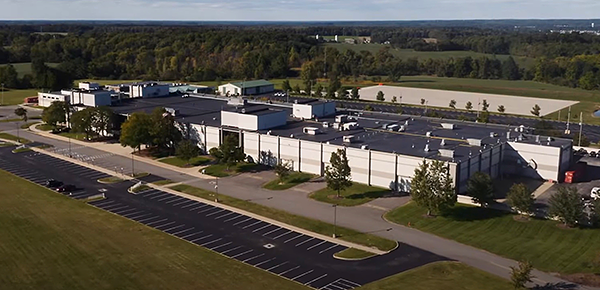
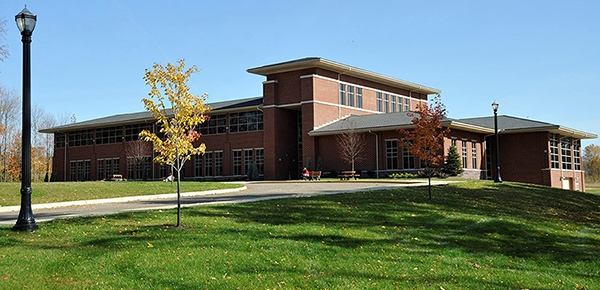
Medina County Career Center is not a traditional university but a specialized, public career-technical high school and adult education center that operates with the intensity and focus of a trade academy. It serves a small, highly engaged student body with a singular mission: to provide a 'competitive advantage' through direct, hands-on training in fields like cybersecurity, teaching professions, and business management, all while students can simultaneously earn high school diplomas, industry certifications, and college credits. With a near-perfect graduation rate and a pragmatic, outcomes-focused culture, it represents a powerful alternative path for students who know exactly what they want to build.
More details
- Undergrad enrollment
- 43
- Graduation Rate
- 98.7%
- Student Body (Gender)
- 55% Male, 45% Female
- Median Earnings (10yr)
- $41,273
Outcomes & value
Outcomes & value
- Median earnings (10 yr)
- $41,273
- Value (earnings ÷ net price)
- 4.7×
- Pell (lower-income) share
- 40%
- First-gen share (among federal-aid recipients)
- 59%
Earnings = median of students working ~10 years after entry; debt = median of graduates. Value divides 10-yr earnings by one year’s net price — read it as earnings per dollar of annual cost, not a full lifetime ROI; it favors lower-cost schools. Source: U.S. Dept. of Education College Scorecard. Figures lag ~2 years and reflect all students, not your intended major.
Campus & location
Campus safety
- On-campus violent crimes (2024)
- 0
On-campus criminal offenses classed as violent (murder/non-negligent manslaughter, rape, robbery, aggravated assault) for the most recent reported year. Source: U.S. Dept. of Education Campus Safety and Security (Clery Act). Counts reflect what’s reported to the school, and urban campuses often report more partly due to non-student incidents nearby — read alongside campus size and setting, not as a standalone safety verdict.
Climate
- Pleasant days / yr
- 103
- Summer high
- 80°F
- Winter low
- 26°F
- Annual rain
- 34.6"
- Annual snow
- 32.6"
- Natural-hazard risk
- Relatively Low
Pleasant days counts days per year with a mean temperature of 55–75°F, a high at or below 90°F, a low at or above 45°F, and little precipitation — a transparent comfort measure, not a weighting we invented. Computed from Open-Meteo ERA5 daily history (2019–2023). Natural-hazard risk is the county’s composite rating from the FEMA National Risk Index.
Quick answers
- How much does Medina County Career Center cost?
- At Medina County Career Center, the average net price (after aid) is about $8,835 per year. Actual cost varies with financial aid and residency.
- How many undergraduates attend Medina County Career Center?
- Medina County Career Center enrolls approximately 43 undergraduate students.
- Where is Medina County Career Center located?
- Medina County Career Center is located in Medina, OH.
Admissions
Admissions at Medina County Career Center is defined by its open-access, non-selective policy for its high school programs, a stark contrast to the competitive gates of traditional universities. The institution reports a 100% , reflecting its mission to provide career-technical education to interested students within the county. The process is procedural and rolling: prospective high school students can apply in person starting in January, with online applications opening on a specific date (February 3, 2027). The point of contact is a dedicated Enrollment Services office, reachable by email or phone. The total enrollment is remarkably intimate, with only 43 students reported for 2024 across both undergraduate and graduate levels, underscoring its small-scale, focused environment. The student body demographics show a slight male majority (55%) and a 45% female population. There is no indication of an Early Decision process or that demonstrated interest is a formal factor in admissions decisions; the pathway is open to those who seek it out.
Compare Medina County Career Center
vs Chicago State Universityvs University of Minnesota-Morrisvs Dickinson State Universityvs United States Coast Guard Academy
See colleges similar to Medina County Career Center →Sources
- Enrollment Services
- student code of conduct table of contents
- Medina County Career Center
- Common Data Set: Home
- Medina County Career Center - DFR Report PDF
- Prospective Students – Medina County Career Center
- Medina County Career Center — Acceptance Rate, Costs ...
- Medina County Career Center - Adult Education
- Policies & Procedures
- Medina County Career Center - Sallie
- Medina County Career Center
- Career Majors/Programs