Loading…
← All schools
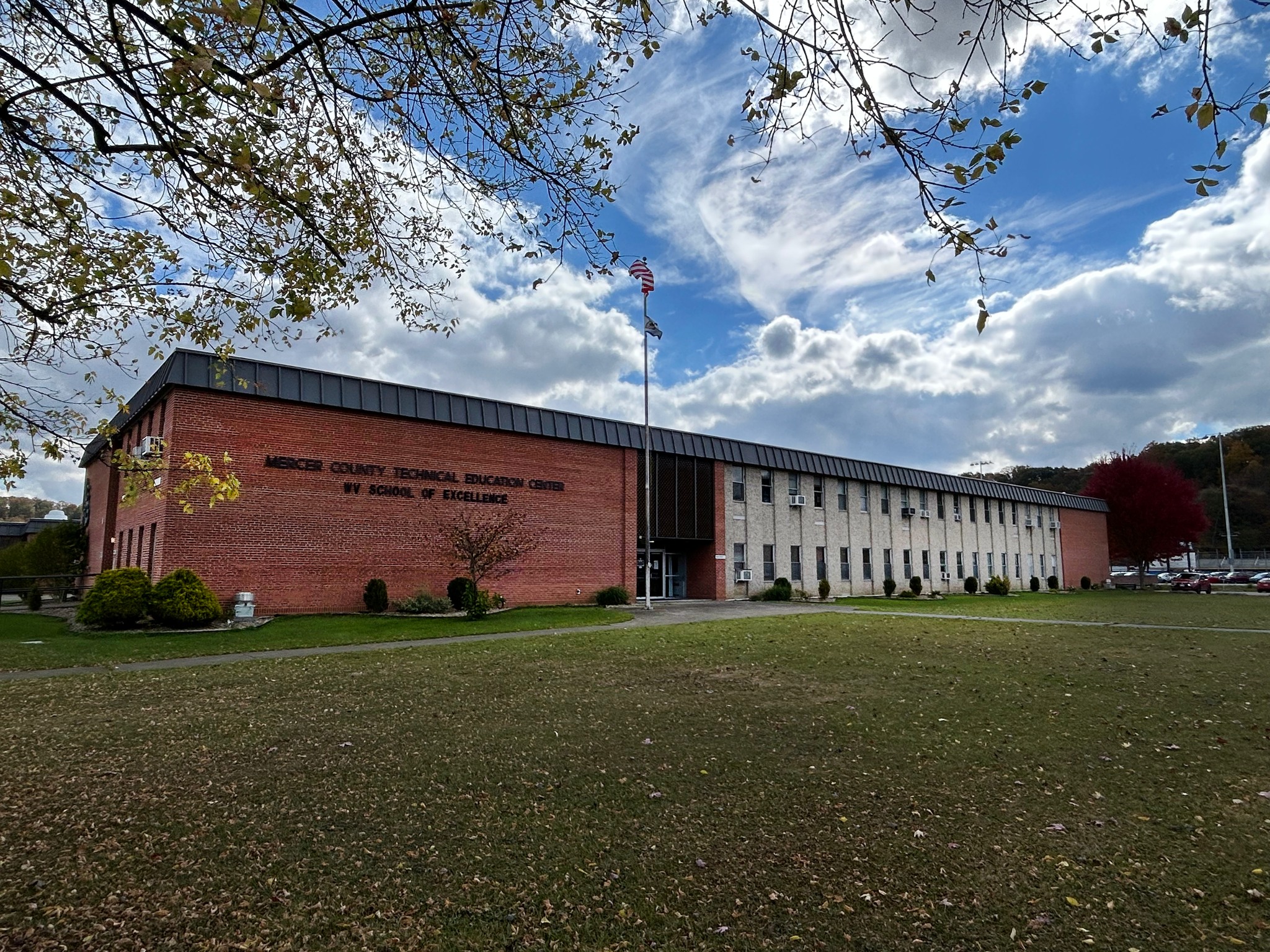
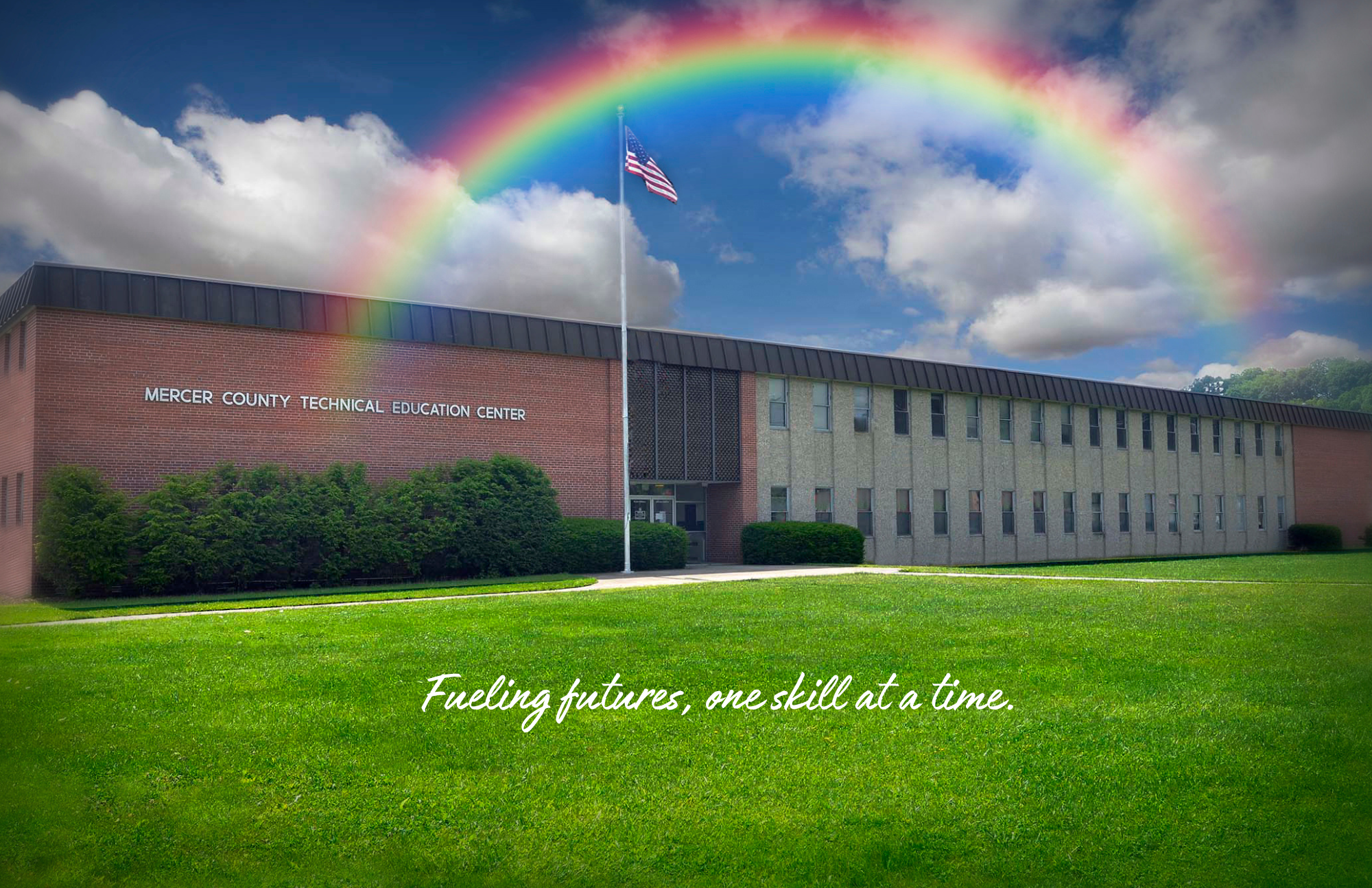
Mercer County Technical Education Center
Princeton, WVpublicmercercountyschools.sites.thrillshare.com
Avg net price
$2,225
Earnings (10 yr)
$33,511
Admit rate has ranged 80%–82% over the last 2 years. Source: IPEDS via Urban Institute.
Acceptance & SAT from Common Data Set / IPEDS; net price, earnings & graduation from the U.S. Dept. of Education College Scorecard. Figures lag ~1–2 years — verify with the school.
Mercer County Technical Education Center (MCTEC) is a no-frills, high-impact career and technical education school where the primary currency is practical skill, not prestige. It operates with the straightforward mission of connecting West Virginians directly to high-demand trades and healthcare professions through hands-on training, boasting graduation rates that outpace national averages. This is a place where the path from the classroom to a paycheck is short, clear, and often free for qualifying students.
More details
- Undergrad enrollment
- 120
- Popular Majors
- Healthcare, IT, Skilled Trades
- Student Body Vibe
- Commuters, Career-Focused
- Financial Aid Emphasis
- Grants (Federal/State Pell)
- Median Earnings (10yr)
- $33,511
- Graduation Rate (CTE National Avg)
- 94%
Outcomes & value
Outcomes & value
- Median earnings (10 yr)
- $33,511
- Value (earnings ÷ net price)
- 15.1×
- Pell (lower-income) share
- 62%
- First-gen share (among federal-aid recipients)
- 62%
Earnings = median of students working ~10 years after entry; debt = median of graduates. Value divides 10-yr earnings by one year’s net price — read it as earnings per dollar of annual cost, not a full lifetime ROI; it favors lower-cost schools. Source: U.S. Dept. of Education College Scorecard. Figures lag ~2 years and reflect all students, not your intended major.
Campus & location
Campus safety
- On-campus violent crimes (2024)
- 0
On-campus criminal offenses classed as violent (murder/non-negligent manslaughter, rape, robbery, aggravated assault) for the most recent reported year. Source: U.S. Dept. of Education Campus Safety and Security (Clery Act). Counts reflect what’s reported to the school, and urban campuses often report more partly due to non-student incidents nearby — read alongside campus size and setting, not as a standalone safety verdict.
Climate
- Pleasant days / yr
- 115
- Summer high
- 80°F
- Winter low
- 28°F
- Annual rain
- 43.3"
- Annual snow
- 17.6"
- Natural-hazard risk
- Relatively Low
Pleasant days counts days per year with a mean temperature of 55–75°F, a high at or below 90°F, a low at or above 45°F, and little precipitation — a transparent comfort measure, not a weighting we invented. Computed from Open-Meteo ERA5 daily history (2019–2023). Natural-hazard risk is the county’s composite rating from the FEMA National Risk Index.
Quick answers
- How much does Mercer County Technical Education Center cost?
- At Mercer County Technical Education Center, the average net price (after aid) is about $2,225 per year. Actual cost varies with financial aid and residency.
- How many undergraduates attend Mercer County Technical Education Center?
- Mercer County Technical Education Center enrolls approximately 120 undergraduate students.
- Where is Mercer County Technical Education Center located?
- Mercer County Technical Education Center is located in Princeton, WV.
Admissions
Admissions at MCTEC are characterized by accessibility, not selectivity. The institution maintains an open-admission policy typical of public career and technical schools, where the primary gatekeepers are program prerequisites and available space, not standardized test scores or a polished application narrative. In 2020, the undergraduate was 82%, reflecting a process designed to be more of an on-ramp than a barrier. The admissions process is conducted completely online, and the school actively encourages applications for its adult daytime programs in fields like Licensed Practical Nursing (LPN), Dental Assisting, Cosmetology, and Electrical work. Demonstrated interest—a critical factor at many private colleges—is not a formal part of the selection criteria here; the focus is on readiness and commitment to a technical track.
Academics
The academic model is pure career and technical education (CTE): hands-on training in high-demand fields designed to prepare students immediately for the workforce or for further specialized study. There are no liberal arts distribution requirements here; every class is geared toward a specific occupational outcome. The curriculum is delivered through focused programs of study, often called "pathways." These include healthcare occupations (with popular majors like Nursing and Biomedical Sciences), teaching, information technology, pre-engineering, welding, and criminal justice. Many courses are free for enrolled students. The school also offers a wide range of highly interactive online courses for continuing education, all led by expert instructors. This is a place where you learn by doing, with the tools and technologies of the trade directly in front of you.
Compare Mercer County Technical Education Center
vs University of Science and Arts of Oklahomavs Florida Polytechnic Universityvs United States Coast Guard Academyvs University of Virginia's College at Wise
See colleges similar to Mercer County Technical Education Center →Sources
- Common Data Set
- Mercer County Technical Education Center
- Mercer County Technical Education Center | Home
- Common Data Set: Home
- common-data-set-current-year.pdf
- Welcome to the 2025-2026 Common Data Set collection!
- Mercer County Technical Education Center - Appily
- Area Vocational Technical Schools of Mercer County Schools - Niche
- Admissions - Mercer County Technical Schools
- Mercer County Technical Education Center Entering Class Stats ...