Loading…
← All schools
Meridian Institute of Surgical Assisting
Nashville, TNprivate forprofitwww.meridian-institute.edu/
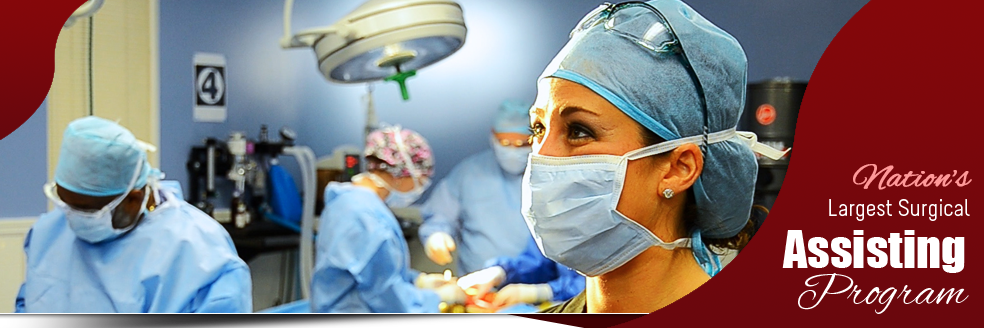
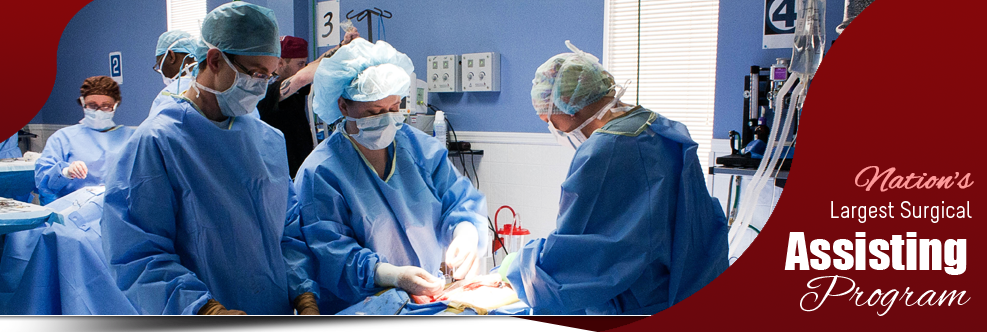
Meridian Institute of Surgical Assisting is a hyper-focused, single-purpose institution in Nashville that exists to turn surgical technologists and nurses into certified Surgical First Assistants. It’s a pragmatic, online-first trade school for working medical professionals seeking a significant career and pay bump, offering a rigorous, accelerated certificate program with a strikingly high 78% graduation rate. This isn't a traditional college experience; it's a career accelerator for a specific, high-stakes role in the operating room.
More details
- Undergrad enrollment
- 805
- Location
- Nashville, TN
- Primary Program
- Surgical First Assistant (SFA) Certificate
- Institution Type
- Private, for-profit (assumed from program structure)
- Instruction Format
- Online
- Median Earnings (10yr)
- $62,978
- Graduation Rate (6-year)
- 78%
Outcomes & value
Outcomes & value
- Median earnings (10 yr)
- $62,978
- Median debt at graduation
- $6,840
- Reducing loan balance (3 yr)
- 60%
- Pell (lower-income) share
- 26%
- First-gen share (among federal-aid recipients)
- 55%
Earnings = median of students working ~10 years after entry; debt = median of graduates. Value divides 10-yr earnings by one year’s net price — read it as earnings per dollar of annual cost, not a full lifetime ROI; it favors lower-cost schools. Source: U.S. Dept. of Education College Scorecard. Figures lag ~2 years and reflect all students, not your intended major.
Campus & location
Campus safety
- On-campus violent crimes (2024)
- 0
On-campus criminal offenses classed as violent (murder/non-negligent manslaughter, rape, robbery, aggravated assault) for the most recent reported year. Source: U.S. Dept. of Education Campus Safety and Security (Clery Act). Counts reflect what’s reported to the school, and urban campuses often report more partly due to non-student incidents nearby — read alongside campus size and setting, not as a standalone safety verdict.
Climate
- Pleasant days / yr
- 81
- Summer high
- 88°F
- Winter low
- 34°F
- Annual rain
- 75.5"
- Annual snow
- 5.1"
- Natural-hazard risk
- Relatively High
Pleasant days counts days per year with a mean temperature of 55–75°F, a high at or below 90°F, a low at or above 45°F, and little precipitation — a transparent comfort measure, not a weighting we invented. Computed from Open-Meteo ERA5 daily history (2019–2023). Natural-hazard risk is the county’s composite rating from the FEMA National Risk Index.
Quick answers
- How many undergraduates attend Meridian Institute of Surgical Assisting?
- Meridian Institute of Surgical Assisting enrolls approximately 805 undergraduate students.
- Where is Meridian Institute of Surgical Assisting located?
- Meridian Institute of Surgical Assisting is located in Nashville, TN.
Admissions
Admissions at Meridian are less about and more about verifying professional prerequisites for its singular, intensive program. The institute enrolls a total of 805 undergraduates, with an overwhelming 97% of students attending full-time, reflecting the program's immersive nature. The student body is predominantly female, comprising 78.8% of undergraduates. The process is governed by specific admission requirements and procedures outlined in the Student Catalog, and students must maintain Satisfactory Academic Progress (SAP) as defined by the college to remain enrolled. While some sources note that an is not available, others suggest an average around 58%, but the primary gatekeeper is likely a candidate's existing healthcare credentials and experience rather than traditional academic metrics.
Compare Meridian Institute of Surgical Assisting
See colleges similar to Meridian Institute of Surgical Assisting →Sources
- Student Catalog
- Meridian Institute of Surgical Assisting - College Scorecard
- Meridian Institute of Surgical Assisting
- Meridian Institute of Surgical Assisting in Nashville, TN
- Meridian Institute of Surgical Assisting (no-room/board)
- Consumer Information Guide
- Meridian Institute of Surgical Assisting - Niche
- Meridian Institute of Surgical Assisting - Sallie
- [PDF] Student Catalog - Meridian Institute of Surgical Assisting