Loading…
← All schools
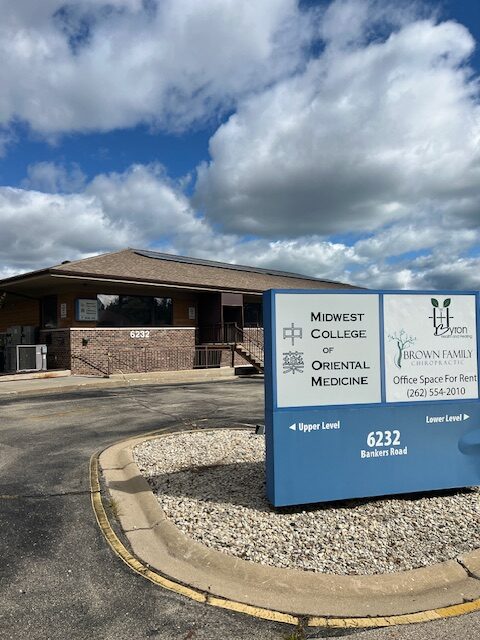
Midwest College of Oriental Medicine-Racine
Racine, WIprivate forprofitwww.acupuncture.edu/
Midwest College of Oriental Medicine-Racine is not your typical liberal arts campus; it's a tiny, intensely focused professional school where the entire curriculum revolves around acupuncture and herbal medicine. With a total undergraduate enrollment that can be counted on two hands, the experience is more akin to an apprenticeship, where students dive directly into clinical observation and hands-on practice from day one. Its reputation, however, is fiercely contested, with glowing official promotions of real-world skills standing in stark contrast to anonymous online allegations of a 'cult-like' and punitive internal culture.
More details
- Undergrad enrollment
- 1
- Graduation Rate
- 40%
- Loan Default Rate
- 8.6%
- Median Earnings (10yr)
- $44,136
Outcomes & value
Outcomes & value
- Median earnings (10 yr)
- $44,136
- Reducing loan balance (3 yr)
- 64%
Earnings = median of students working ~10 years after entry; debt = median of graduates. Value divides 10-yr earnings by one year’s net price — read it as earnings per dollar of annual cost, not a full lifetime ROI; it favors lower-cost schools. Source: U.S. Dept. of Education College Scorecard. Figures lag ~2 years and reflect all students, not your intended major.
Campus & location
Campus safety
- On-campus violent crimes (2024)
- 0
- Per 1,000 students
- 0.00
On-campus criminal offenses classed as violent (murder/non-negligent manslaughter, rape, robbery, aggravated assault) for the most recent reported year. Source: U.S. Dept. of Education Campus Safety and Security (Clery Act). Counts reflect what’s reported to the school, and urban campuses often report more partly due to non-student incidents nearby — read alongside campus size and setting, not as a standalone safety verdict.
Climate
- Pleasant days / yr
- 101
- Summer high
- 78°F
- Winter low
- 22°F
- Annual rain
- 30.2"
- Annual snow
- 36.9"
- Natural-hazard risk
- Relatively Moderate
Pleasant days counts days per year with a mean temperature of 55–75°F, a high at or below 90°F, a low at or above 45°F, and little precipitation — a transparent comfort measure, not a weighting we invented. Computed from Open-Meteo ERA5 daily history (2019–2023). Natural-hazard risk is the county’s composite rating from the FEMA National Risk Index.
Quick answers
- How many undergraduates attend Midwest College of Oriental Medicine-Racine?
- Midwest College of Oriental Medicine-Racine enrolls approximately 1 undergraduate students.
- Where is Midwest College of Oriental Medicine-Racine located?
- Midwest College of Oriental Medicine-Racine is located in Racine, WI.
Admissions
Admissions at Midwest College of Oriental Medicine-Racine operates on a scale more typical of a specialized graduate program than an undergraduate college. The institution is exceptionally small, with a total full-time enrollment of 27 students and a part-time enrollment of 10, meaning 73% of students attend full-time. For undergraduate studies specifically, the numbers are even more minute: Niche reports a full-time undergraduate enrollment of just 1 student and a part-time undergraduate enrollment of 0. This microscopic size suggests admissions are handled on a highly individualized, rolling basis rather than through large, competitive cycles. The process is personalized, with the college encouraging prospective students to schedule tours to sit in on classes, become clinic observers, and meet with current students. While some sources cite for related institutions (like a 95.45% rate for a Skokie campus or a 59% average), no definitive, sourced acceptance rate is provided for the Racine campus itself in the allowed materials. The admissions page outlines a straightforward process: if accepted, applicants receive a letter of acceptance and can then enroll in classes.
Compare Midwest College of Oriental Medicine-Racine
See colleges similar to Midwest College of Oriental Medicine-Racine →Sources
- Midwest College of Oriental Medicine-Racine - IPEDS
- Midwest College of Oriental Medicine-Racine - Sallie
- Midwest College of Oriental Medicine-Racine | Data USA
- [PDF] Midwest College - of Oriental Medicine
- [PDF] Common Data Elements:
- [PDF] Common Data Set 2023 – 2024 - Institutional Research and Analytics
- Midwest College of Oriental Medicine-Skokie Admissions - Orbit AI
- Midwest College of Oriental Medicine - Chicago - Niche
- Midwest College of Oriental Medicine-Racine - DFR Report HTML