Loading…
← All schools
Mississippi Institute of Aesthetics Nails & Cosmetology
Clinton, MSprivate forprofitmsinstitute.com/
Avg net price
$8,616
Earnings (10 yr)
$28,148
Acceptance & SAT from Common Data Set / IPEDS; net price, earnings & graduation from the U.S. Dept. of Education College Scorecard. Figures lag ~1–2 years — verify with the school.
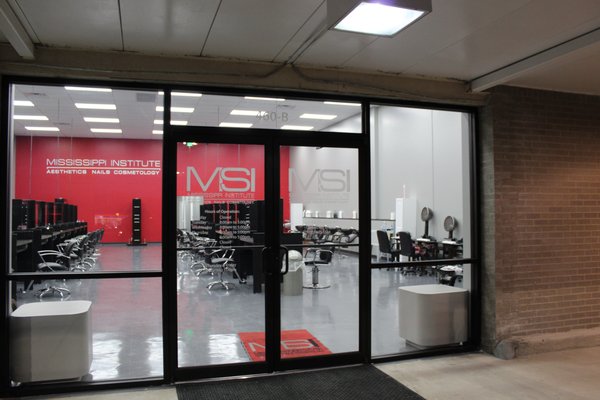
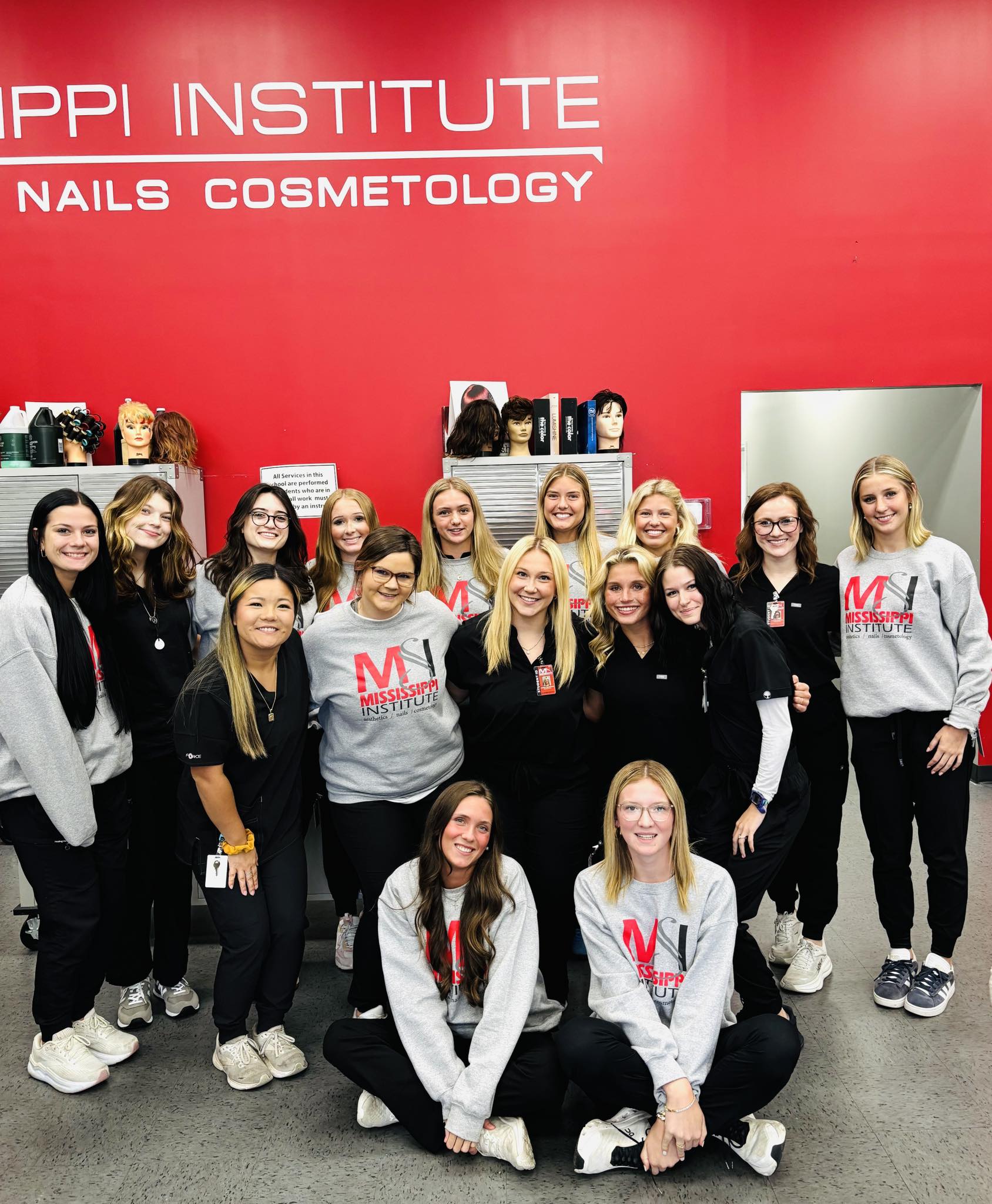
The Mississippi Institute of Aesthetics, Nails & Cosmetology is a hyper-focused, single-purpose trade school in suburban Clinton that exists to turn out licensed beauty professionals. With an open-door admissions policy and a tiny, full-time student body of 77, it operates more like an intensive apprenticeship than a traditional college, centered entirely on hands-on training in cosmetology, esthetics, and nail technology. Its mission is blunt and practical: to provide the 'necessary knowledge to meet' state licensing requirements and launch careers, a goal reflected in its clinical, salon-like environment and direct path to the workforce.
More details
- Undergrad enrollment
- 77
- Top Programs
- Cosmetology, Esthetics, Nail Technology
- Graduation Rate
- 66.7%
- Student Salon Hours
- Thurs & Fri, 8am–5pm
- Median Earnings (10yr)
- $28,148
- Average Financial Aid Package
- $4,170
Outcomes & value
Outcomes & value
- Median earnings (10 yr)
- $28,148
- Value (earnings ÷ net price)
- 3.3×
- Reducing loan balance (3 yr)
- 53%
- Pell (lower-income) share
- 36%
Earnings = median of students working ~10 years after entry; debt = median of graduates. Value divides 10-yr earnings by one year’s net price — read it as earnings per dollar of annual cost, not a full lifetime ROI; it favors lower-cost schools. Source: U.S. Dept. of Education College Scorecard. Figures lag ~2 years and reflect all students, not your intended major.
Financial health
3.0 / 3.0Meets the federal financial-responsibility standard
U.S. Dept. of Education Financial Responsibility Composite Score (FY2022-23). Scale −1.0 to 3.0; ≥1.5 meets the standard. Reported for private nonprofit & for-profit institutions only — public universities are state-backed and not scored, so this is a stability signal, not a ranking.
Campus & location
Campus safety
- On-campus violent crimes (2024)
- 0
On-campus criminal offenses classed as violent (murder/non-negligent manslaughter, rape, robbery, aggravated assault) for the most recent reported year. Source: U.S. Dept. of Education Campus Safety and Security (Clery Act). Counts reflect what’s reported to the school, and urban campuses often report more partly due to non-student incidents nearby — read alongside campus size and setting, not as a standalone safety verdict.
Climate
- Pleasant days / yr
- 95
- Summer high
- 90°F
- Winter low
- 42°F
- Annual rain
- 61.8"
- Annual snow
- 1.5"
- Natural-hazard risk
- Relatively Moderate
Pleasant days counts days per year with a mean temperature of 55–75°F, a high at or below 90°F, a low at or above 45°F, and little precipitation — a transparent comfort measure, not a weighting we invented. Computed from Open-Meteo ERA5 daily history (2019–2023). Natural-hazard risk is the county’s composite rating from the FEMA National Risk Index.
Quick answers
- How much does Mississippi Institute of Aesthetics Nails & Cosmetology cost?
- At Mississippi Institute of Aesthetics Nails & Cosmetology, the average net price (after aid) is about $8,616 per year. Actual cost varies with financial aid and residency.
- How many undergraduates attend Mississippi Institute of Aesthetics Nails & Cosmetology?
- Mississippi Institute of Aesthetics Nails & Cosmetology enrolls approximately 77 undergraduate students.
- Where is Mississippi Institute of Aesthetics Nails & Cosmetology located?
- Mississippi Institute of Aesthetics Nails & Cosmetology is located in Clinton, MS.
Admissions
Admissions at Mississippi Institute is defined by accessibility, not selectivity. The school has an open admission policy, meaning all applicants who apply are accepted. Multiple sources confirm an of 100%. The process appears straightforward, focused on readiness for career training rather than competitive academic metrics. The institution's Instagram features the Admissions Director, Mr. Reggie, welcoming new classes and reviewing rules and expectations with incoming students, suggesting a personalized, onboarding-oriented approach to admissions. There is no indication that standardized test scores (SAT/ACT) are required or considered, and the application fee is $0. The entire enrolled student body is full-time, totaling 77 students, with no part-time enrollment reported.
Academics
Academics are not liberal arts; they are a concentrated, state-approved curriculum in the beauty trades. The institute offers just three tightly focused programs, all leading to licensure: , , and . The educational philosophy, as stated on its website, is to 'teach the art and sciences of Aesthetics, Nails, & Cosmetology, specializing in the traditional and contemporary approaches used to promote health.' The vision is to 'provide highly skilled professionals who serve with care and respect.' This is hands-on, practical education from day one, designed to build technical competency for immediate entry into the workforce. The school reports a 2020 completion rate of 100% and a licensure rate of 90.91% for graduates who took the state exam, underscoring the program's effectiveness in achieving its core mission.
Compare Mississippi Institute of Aesthetics Nails & Cosmetology
vs Livingstone Collegevs Florida Polytechnic Universityvs Inter American University of Puerto Rico-Fajardovs University of Science and Arts of Oklahoma
See colleges similar to Mississippi Institute of Aesthetics Nails & Cosmetology →Sources
- Mississippi Institute of Aesthetics Nails & Cosmetology
- Mississippi Institute of Aesthetics Nails & Cosmetology - Sallie
- Mississippi Institute of Aesthetics Nails & Cosmetology - Data USA
- Mississippi Institute of Aesthetics Nails & Cosmetology - Overgrad
- Mississippi Institute of Aesthetics Nails & Cosmetology (off-campus)
- Mississippi Institute of Aesthetics Nails & Cosmetology - Niche
- Mississippi Institute Of Aesthetics Nails And Cosmetology Admissions
- Mississippi Institute of Aesthetics Nails & Cosmetology - Unigo.com