Admit rate has ranged 49%–66% over the last 5 years — notably volatile, though the latest figure above (69%) falls outside that window. Source: IPEDS via Urban Institute.
Acceptance & SAT from Common Data Set / IPEDS; net price, earnings & graduation from the U.S. Dept. of Education College Scorecard. Figures lag ~1–2 years — verify with the school.
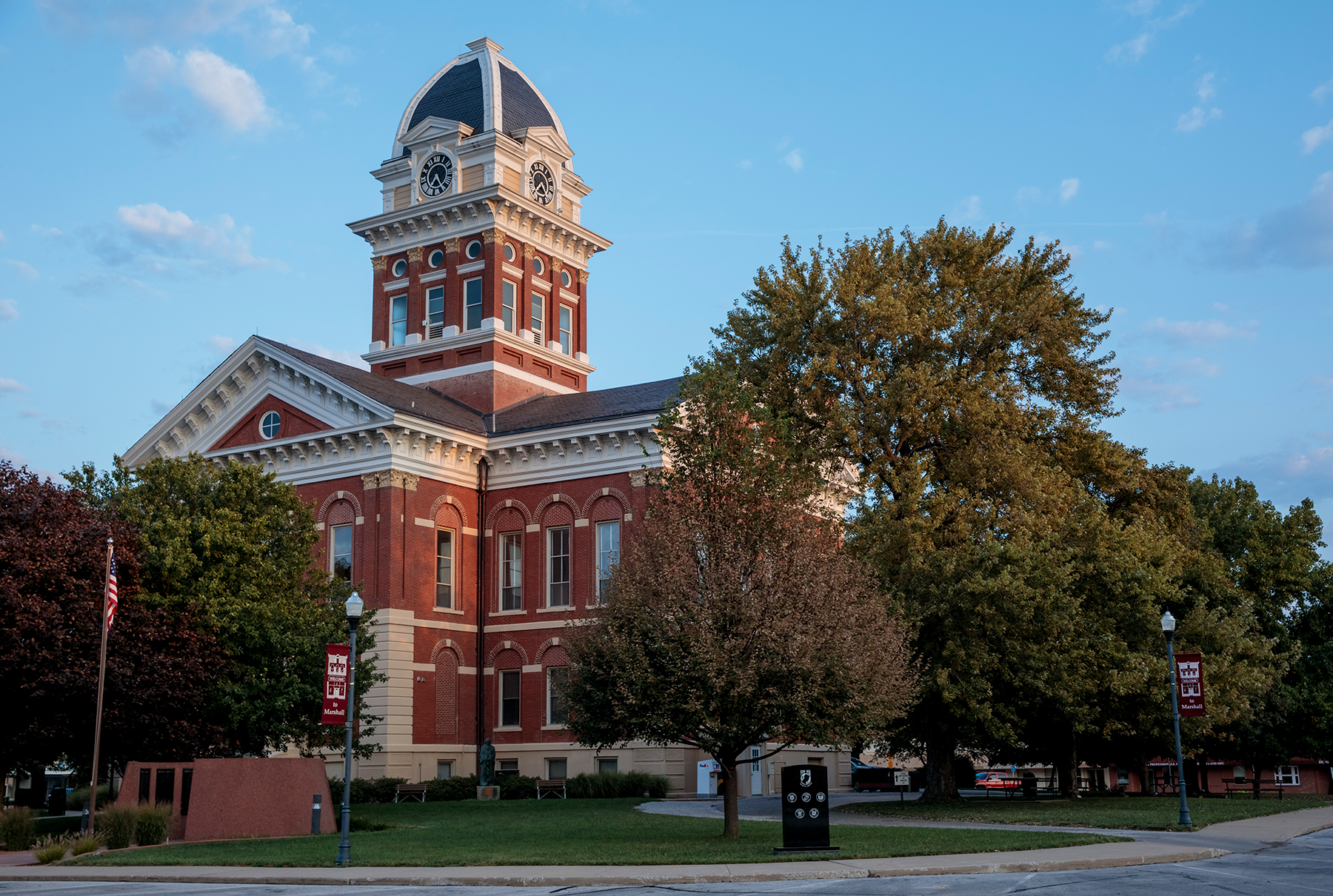
Missouri Valley College is a small, private liberal arts institution in Marshall, Missouri, where athletics and campus life often define the student experience as much as academics. With an acceptance rate of 69%, it operates as an accessible, tuition-driven school where nearly every student receives financial aid, but where low graduation and retention rates present a stark, ongoing challenge. The college stakes its identity on a robust offering of over 30 majors—with particular emphasis on nursing, business, education, and criminal justice—and a sprawling athletics program that includes 23 varsity teams.
Admission requirements
Test scores required
Required
High school transcript
Grade point average
Test scores (SAT/ACT)
TOEFL (non-native English)
Considered (not required)
Class rank
Letters of recommendation
Source: IPEDS Admissions survey (2022) via Urban Institute. Covers formal factors only — it does not reflect essays, extracurriculars, or other holistic criteria.
More details
Undergrad enrollment
1,443
In-state tuition
$23,700
Out-of-state tuition
$23,700
Graduation Rate
22%
Student-Faculty Ratio
16:1
Median Earnings (10yr)
$43,221
Students Receiving Aid
~98%
Varsity Athletic Teams
23
First-Year Retention Rate
47%
Outcomes & value
Outcomes & value
Median earnings (10 yr)
$43,221
Value (earnings ÷ net price)
2.4×
Median debt at graduation
$25,950
Graduation rate
22%
First-year retention
53%
Reducing loan balance (3 yr)
43%
Pell (lower-income) share
32%
First-gen share (among federal-aid recipients)
40%
Financial health
2.2 / 3.0Meets the federal financial-responsibility standard
U.S. Dept. of Education Financial Responsibility Composite Score (FY2022-23). Scale −1.0 to 3.0; ≥1.5 meets the standard. Reported for private nonprofit & for-profit institutions only — public universities are state-backed and not scored, so this is a stability signal, not a ranking.
Top-earning majors
Median earnings by field of study (highest credential), ~2 years after completion.
Sports, Kinesiology, and Physical Education/Fitness$33,993
Criminal Justice and Corrections$33,459
Psychology, General$32,653
Source: U.S. Dept. of Education College Scorecard (field-of-study earnings). Figures cover graduates who received federal aid and lag ~2 years; not all programs report data.
On-campus criminal offenses classed as violent (murder/non-negligent manslaughter, rape, robbery, aggravated assault) for the most recent reported year. Source: U.S. Dept. of Education Campus Safety and Security (Clery Act). Counts reflect what’s reported to the school, and urban campuses often report more partly due to non-student incidents nearby — read alongside campus size and setting, not as a standalone safety verdict.
Climate
Pleasant days / yr
80
Summer high
86°F
Winter low
26°F
Annual rain
42.2"
Annual snow
18.3"
Natural-hazard risk
Relatively Low
Pleasant days counts days per year with a mean temperature of 55–75°F, a high at or below 90°F, a low at or above 45°F, and little precipitation — a transparent comfort measure, not a weighting we invented. Computed from Open-Meteo ERA5 daily history (2019–2023). Natural-hazard risk is the county’s composite rating from the FEMA National Risk Index.
Deep dive — research, future-scholar output & economic mobility▾
Research output
Institutional h-index
23
Scholarly works
121
Institutional research volume and impact from OpenAlex. The h-index reflects large research universities and will be low for teaching-focused liberal-arts colleges — not a measure of undergraduate quality.
Economic mobility
Mobility rate
1.2%
Bottom → top quintile
10%
From bottom quintile
12%
Mobility rate = the share of students who both start in the bottom household-income quintile and reach the top quintile; bottom → top is that chance conditional on starting at the bottom. Source: Opportunity Insights Mobility Report Cards (Chetty, Friedman, Saez, Turner & Yagan). Reflects 1980–82 birth cohorts, so it’s directional, not current.
Quick answers
What is the acceptance rate at Missouri Valley College?
Missouri Valley College's acceptance rate is approximately 69% (Marshall, MO), based on the most recent figures we compiled from public and primary sources.
What SAT score do you need for Missouri Valley College?
Admitted students at Missouri Valley College typically score 895–1115 on the SAT (the middle-50% range). Scores outside this band are still admitted, especially with strong applications.
How much does Missouri Valley College cost?
At Missouri Valley College, the average net price (after aid) is about $18,086 per year. Actual cost varies with financial aid and residency.
How many undergraduates attend Missouri Valley College?
Missouri Valley College enrolls approximately 1,443 undergraduate students.
Where is Missouri Valley College located?
Missouri Valley College is located in Marshall, MO.
Admissions
Missouri Valley College maintains a moderately selective admissions process, accepting about 69% of applicants. The admissions office reported a significant uptick in interest recently, with inquiries rising 11% and applications increasing 20% over a two-year period leading into Fall 2024. For the class entering that fall, 1,722 students were admitted from 2,489 applications. The middle 50% SAT range for admitted students is 895–1115, while the comparable ACT range is 16–22. The college does not have a binding Early Decision program, and its rate—the percentage of admitted students who enroll—was 29.15% for the 2024-25 cycle. Demonstrated interest is a factor that families often ask about, but the college's official stance on whether it is considered in admissions decisions is not explicitly stated in the provided resources; students are advised to check the C7 section of MVC's own Common Data Set for the definitive policy.
Earnings = median of students working ~10 years after entry; debt = median of graduates. Value divides 10-yr earnings by one year’s net price — read it as earnings per dollar of annual cost, not a full lifetime ROI; it favors lower-cost schools. Source: U.S. Dept. of Education College Scorecard. Figures lag ~2 years and reflect all students, not your intended major.
Academically, Missouri Valley offers a traditional liberal arts curriculum through more than 30 undergraduate majors. The college highlights several in-demand career paths, including nursing, business, education, and criminal justice. Computer science is also listed as a major within the School of Business & Technology. The student-faculty ratio is 16:1, which suggests the potential for personalized attention in the classroom. However, a critical indicator of academic challenge and student satisfaction—the first-year retention rate—is notably low at 47%. This suggests a significant portion of the freshman class does not return for a second year, which contextualizes the college's broader struggles with degree completion. The academic catalog provides a full list of majors and any associated concentrations.
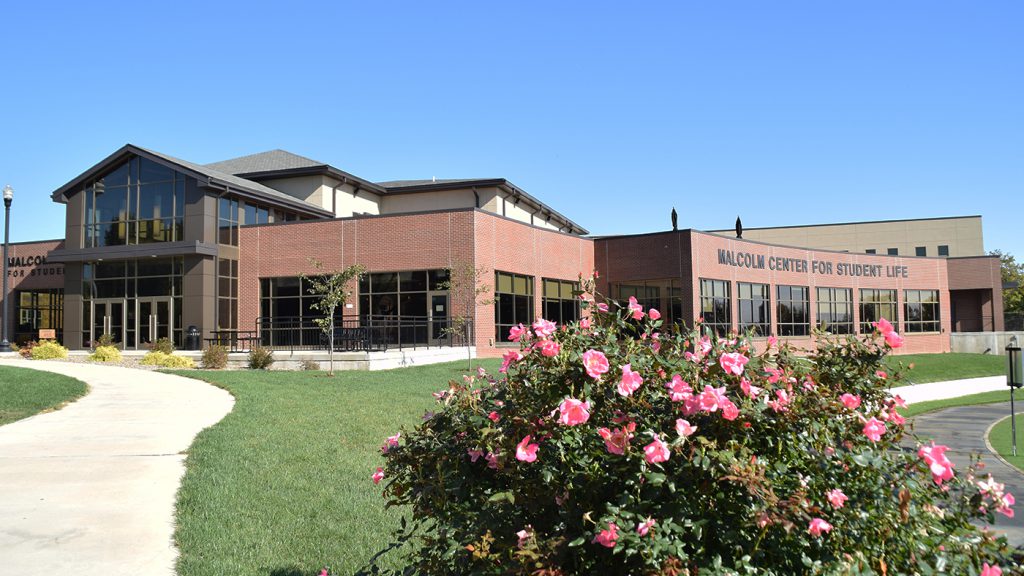
Life at Missouri Valley is intensely campus-centric, heavily oriented around athletics, organizations, and residential living. The total undergraduate enrollment is approximately 1,558 students, creating a small, close-knit community. The college promotes a "vibrant and diverse community" supported by numerous student clubs and organizations. Athletics are a cornerstone of the MVC identity; the college fields 23 varsity teams alongside intramural programs, a point of pride encapsulated in the campus motto, "Valley Will Roll!". On-campus housing is framed as central to the college experience, placing students "in the center of college life." The official social media presence portrays a classic collegiate atmosphere filled with "laughter, late-night study sessions, [and] game days."
Post-graduation outcomes at Missouri Valley College present a mixed and challenging picture. The six-year graduation rate is 22%, a figure that places the institution in the bottom percentile nationally. Analysis has shown this rate to be significantly lower than the national midpoint. Retention is also a persistent issue, with only about half of students returning after their first year. For those who do persist and graduate, median earnings ten years after entry are $43,221. Other sources note that graduates earn a median of $49,963 four years after graduation, which is reported to be above the national average. The stark disparity between low completion rates and relatively solid earnings for completers underscores a college where the path to a degree is difficult, but the credential can hold value in the workforce.
Affordability through aid is a central part of Missouri Valley's value proposition. The average after aid—the out-of-pocket cost for students—is $18,086. The college states that approximately 98% of its students receive some form of tuition assistance through grants, scholarships, and federal and state aid. Need-based grants are available, with the maximum federal Pell Grant award for a full-time undergraduate listed as $6,495 per year. The college participates in federal loan programs and also provides information on private loan options, noting that students are not required to demonstrate financial need for certain loans, but borrowing limits are based on the . Missouri Valley College does not advertise a "no-loan" financial aid policy, which typically refers to schools that meet 100% of financial need with grants and work-study, excluding loans.
Missouri Valley College stands out for the stark contrasts that define its profile. It is an institution where access is high—with a 69% and nearly universal financial aid coverage—but where academic persistence is low, creating a consequential gap between enrollment and graduation. Its identity is dualistic: it is a small liberal arts college promoting over 30 academic majors, yet it is arguably better known regionally as an athletics powerhouse with 23 varsity teams, a focus that deeply permeates campus culture and community spirit. This creates a specific niche: it's a place for students seeking the close-knit, activity-filled life of a small residential college and the competitive spirit of NAIA athletics, who are also prepared to navigate the academic support landscape actively to bridge the gap between admission and a degree. For the tenacious student who graduates, the data suggests the financial return on the investment can be positive, but getting there is the central challenge and defining experience of an MVC education.
Missouri Valley College seal · sourceVisit Missouri Valley College - Schedule a Campus Tour · sourceStudent Life - Missouri Valley College · sourceMissouri Valley College: Bachelor and Master Degree Programs · source