Loading…
← All schools
Monongalia County Technical Education Center
Morgantown, WVpublicmtec.mono.k12.wv.us
Acceptance
58%
Avg net price
$5,132
Earnings (10 yr)
$40,499
Admit rate has ranged 50%–97% over the last 5 years — notably volatile. Source: IPEDS via Urban Institute.
Acceptance & SAT from Common Data Set / IPEDS; net price, earnings & graduation from the U.S. Dept. of Education College Scorecard. Figures lag ~1–2 years — verify with the school.
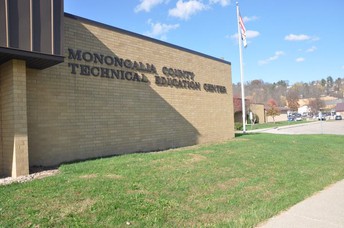
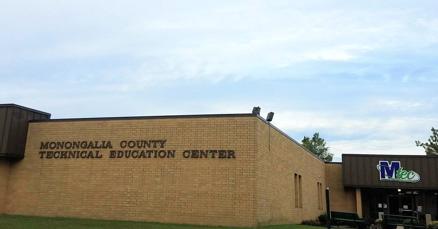
Monongalia County Technical Education Center (MTEC) is a hyper-focused, no-frills vocational school in Morgantown, West Virginia, built for one purpose: to get adults into skilled trades fast. With just 48 students, three core programs, and a graduation rate that outpaces many community colleges, it’s a direct pipeline to practical, in-demand careers like nursing and HVAC. Forget dorms and football games; this is about earning a credential and a paycheck with minimal debt.
Admission requirements
Test-blind — scores not considered
Required
- High school transcript
- Letters of recommendation
- TOEFL (non-native English)
Source: IPEDS Admissions survey (2022) via Urban Institute. Covers formal factors only — it does not reflect essays, extracurriculars, or other holistic criteria.
More details
- Undergrad enrollment
- 43
- Top Programs
- LPN Training, HVAC/R
- Graduation Rate
- 68%
- Median Earnings (10yr)
- $40,499
Outcomes & value
Outcomes & value
- Median earnings (10 yr)
- $40,499
- Value (earnings ÷ net price)
- 7.9×
- Pell (lower-income) share
- 49%
Earnings = median of students working ~10 years after entry; debt = median of graduates. Value divides 10-yr earnings by one year’s net price — read it as earnings per dollar of annual cost, not a full lifetime ROI; it favors lower-cost schools. Source: U.S. Dept. of Education College Scorecard. Figures lag ~2 years and reflect all students, not your intended major.
Campus & location
Campus safety
- On-campus violent crimes (2024)
- 0
On-campus criminal offenses classed as violent (murder/non-negligent manslaughter, rape, robbery, aggravated assault) for the most recent reported year. Source: U.S. Dept. of Education Campus Safety and Security (Clery Act). Counts reflect what’s reported to the school, and urban campuses often report more partly due to non-student incidents nearby — read alongside campus size and setting, not as a standalone safety verdict.
Climate
- Pleasant days / yr
- 96
- Summer high
- 81°F
- Winter low
- 28°F
- Annual rain
- 51.4"
- Annual snow
- 23.2"
- Natural-hazard risk
- Relatively Low
Pleasant days counts days per year with a mean temperature of 55–75°F, a high at or below 90°F, a low at or above 45°F, and little precipitation — a transparent comfort measure, not a weighting we invented. Computed from Open-Meteo ERA5 daily history (2019–2023). Natural-hazard risk is the county’s composite rating from the FEMA National Risk Index.
Quick answers
- What is the acceptance rate at Monongalia County Technical Education Center?
- Monongalia County Technical Education Center's acceptance rate is approximately 58% (Morgantown, WV), based on the most recent figures we compiled from public and primary sources.
- How much does Monongalia County Technical Education Center cost?
- At Monongalia County Technical Education Center, the average net price (after aid) is about $5,132 per year. Actual cost varies with financial aid and residency.
- How many undergraduates attend Monongalia County Technical Education Center?
- Monongalia County Technical Education Center enrolls approximately 43 undergraduate students.
- Where is Monongalia County Technical Education Center located?
- Monongalia County Technical Education Center is located in Morgantown, WV.
Admissions
MTEC operates with a straightforward, moderately selective admissions process focused on adult learners seeking specific technical training. The school's is 58%, meaning it admits a solid majority of applicants but is not an open-enrollment institution. Notably, MTEC does not require SAT or ACT scores for admission, removing a traditional barrier for non-traditional students. The application pool is small, with recent data showing 60 applications leading to 35 admissions. The student body is intimate, with a total enrollment of just 48 students, split 56% female and 44% male. The admissions component is tracked through federal IPEDS reporting, though the school does not publish a detailed that outlines factors like demonstrated interest.
Academics
Compare Monongalia County Technical Education Center
vs University of Science and Arts of Oklahomavs Florida Polytechnic Universityvs Elizabeth City State Universityvs Northwestern Oklahoma State University
See colleges similar to Monongalia County Technical Education Center →Sources
- Monongalia County Technical Education Center | College Scorecard
- Monongalia County Technical Education Center - Sallie
- Monongalia County Technical Education Center - CFWV.com
- Monongalia County Technical Education Center | Data USA
- Monongalia County Technical Education Center: Home
- Common Data Set: Home
- Monongalia County Technical Education Center - Niche
- MTEC Acceptance Rate and SAT/ACT Scores
- Monongalia County Technical Education Center | Instudi
- Monongalia County Technical Education Center | My Future