Loading…
← All schools
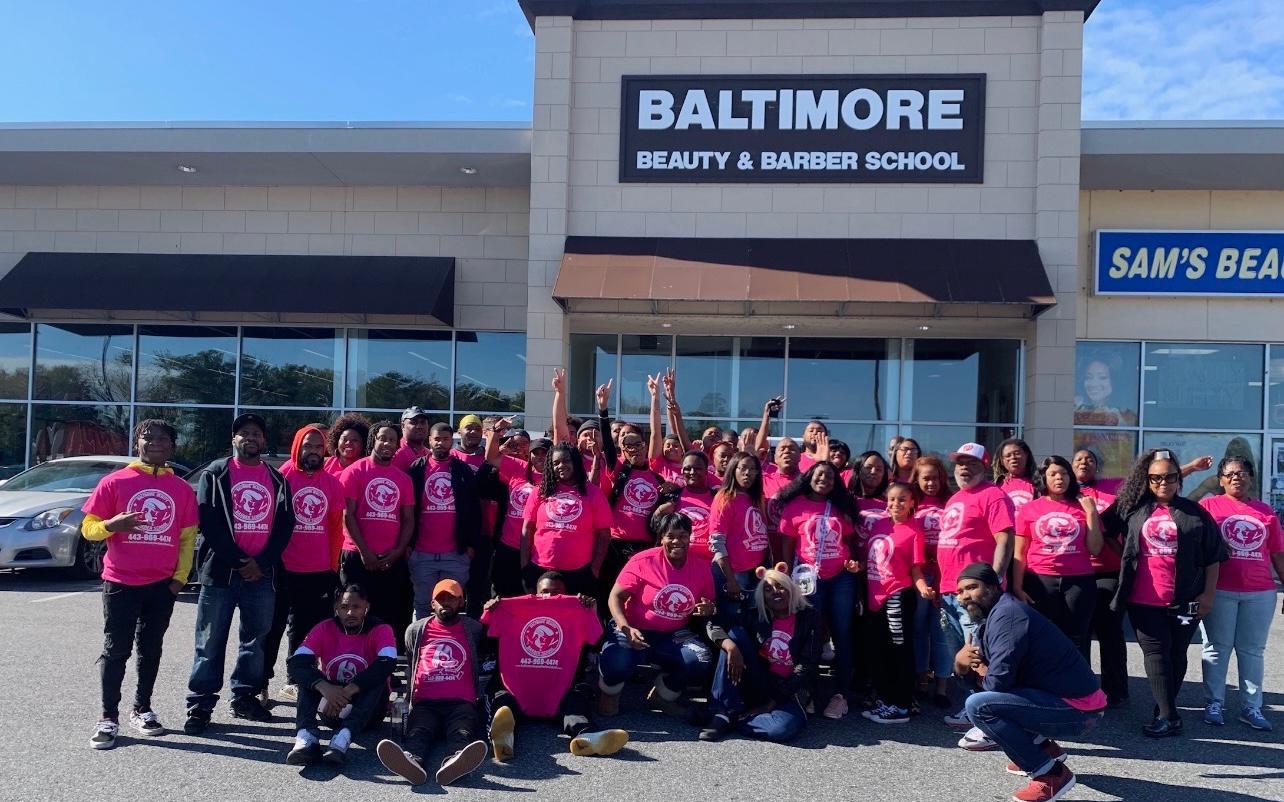
Montgomery Beauty School-Baltimore Beauty & Barber School
Baltimore, MDprivate forprofithttps
Avg net price
$19,047
Earnings (10 yr)
$18,726
Acceptance & SAT from Common Data Set / IPEDS; net price, earnings & graduation from the U.S. Dept. of Education College Scorecard. Figures lag ~1–2 years — verify with the school.
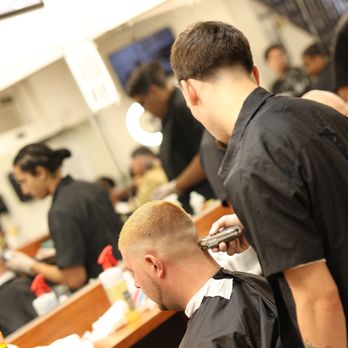
Montgomery Beauty School-Baltimore Beauty & Barber School is a hyper-focused, open-access trade school where the entire curriculum is hands-on training in cosmetology and barbering. The vibe is intensely practical, with days spent mastering cuts, color, and skincare on mannequins and real clients in a clinic-floor setting. This is a direct pipeline to a licensed trade, not a traditional college experience.
More details
- Undergrad enrollment
- 242
- Popular Majors
- Cosmetology, Barbering
- Median Earnings (10yr)
- $18,726
- Average Annual Aid Award
- $2,367
- Median Debt at Graduation
- $12,000
Outcomes & value
Outcomes & value
- Median earnings (10 yr)
- $18,726
- Value (earnings ÷ net price)
- 1.0×
- Median debt at graduation
- $11,845
- Reducing loan balance (3 yr)
- 21%
- Pell (lower-income) share
- 38%
- First-gen share (among federal-aid recipients)
- 71%
Earnings = median of students working ~10 years after entry; debt = median of graduates. Value divides 10-yr earnings by one year’s net price — read it as earnings per dollar of annual cost, not a full lifetime ROI; it favors lower-cost schools. Source: U.S. Dept. of Education College Scorecard. Figures lag ~2 years and reflect all students, not your intended major.
Campus & location
Campus safety
- On-campus violent crimes (2024)
- 0
On-campus criminal offenses classed as violent (murder/non-negligent manslaughter, rape, robbery, aggravated assault) for the most recent reported year. Source: U.S. Dept. of Education Campus Safety and Security (Clery Act). Counts reflect what’s reported to the school, and urban campuses often report more partly due to non-student incidents nearby — read alongside campus size and setting, not as a standalone safety verdict.
Climate
- Pleasant days / yr
- 89
- Summer high
- 83°F
- Winter low
- 32°F
- Annual rain
- 60.2"
- Annual snow
- 12.1"
- Natural-hazard risk
- Relatively Moderate
Pleasant days counts days per year with a mean temperature of 55–75°F, a high at or below 90°F, a low at or above 45°F, and little precipitation — a transparent comfort measure, not a weighting we invented. Computed from Open-Meteo ERA5 daily history (2019–2023). Natural-hazard risk is the county’s composite rating from the FEMA National Risk Index.
Quick answers
- How much does Montgomery Beauty School-Baltimore Beauty & Barber School cost?
- At Montgomery Beauty School-Baltimore Beauty & Barber School, the average net price (after aid) is about $19,047 per year. Actual cost varies with financial aid and residency.
- How many undergraduates attend Montgomery Beauty School-Baltimore Beauty & Barber School?
- Montgomery Beauty School-Baltimore Beauty & Barber School enrolls approximately 242 undergraduate students.
- Where is Montgomery Beauty School-Baltimore Beauty & Barber School located?
- Montgomery Beauty School-Baltimore Beauty & Barber School is located in Baltimore, MD.
Admissions
Admissions here are defined by open access, not selectivity. The school reports a 100% , meaning it admits all applicants who meet basic eligibility requirements. There is no mention of standardized test scores like the SAT or ACT being required or even considered; sources indicate test score data is either "not available" or presented only in a limited format, suggesting they are not part of the admissions process. The student body is a mix of full-time (140 students) and part-time (102 students) learners, with full-time students making up 57.9% of the enrollment. The process is geared toward career-changers and those seeking a specific vocational license, not traditional undergraduates competing for seats.
Academics
The academic model is pure vocational immersion. The school offers only two majors: Cosmetology/Cosmetologist, General, and Barbering/Barber. There are no general education requirements, electives, or liberal arts courses. Training is described as "comprehensive," covering hair braiding, haircuts, hair styling, skincare, and customer service. The pedagogy is entirely hands-on, designed to prepare students for state licensure exams and immediate work in salons and barbershops. Instruction happens in a simulated professional environment, focusing on the practical mastery of techniques and client interaction.
Compare Montgomery Beauty School-Baltimore Beauty & Barber School
vs United States Coast Guard Academyvs Grove City Collegevs Hillsdale Collegevs United States Military Academy
See colleges similar to Montgomery Beauty School-Baltimore Beauty & Barber School →Sources
- Montgomery Beauty School-Baltimore Beauty & Barber School
- DFR Report HTML - Department of Education
- Montgomery Beauty School-Baltimore Beauty & Barber School
- Montgomery Beauty School-Baltimore Beauty & Barber School
- Montgomery Beauty School-Baltimore Beauty & Barber School
- Montgomery Beauty School-Baltimore Beauty & Barber School ...
- Montgomery Beauty School-Baltimore Beauty & Barber School
- Montgomery Beauty School-Baltimore Beauty & Barber School
- Montgomery Beauty School-Baltimore Beauty & Barber School