Loading…
← All schools
Montserrat College of Art
Beverly, MAprivate nonprofitmontserrat.edu
Avg net price
$33,216
Earnings (10 yr)
$33,022
Graduation rate
53%
Acceptance & SAT from Common Data Set / IPEDS; net price, earnings & graduation from the U.S. Dept. of Education College Scorecard. Figures lag ~1–2 years — verify with the school.
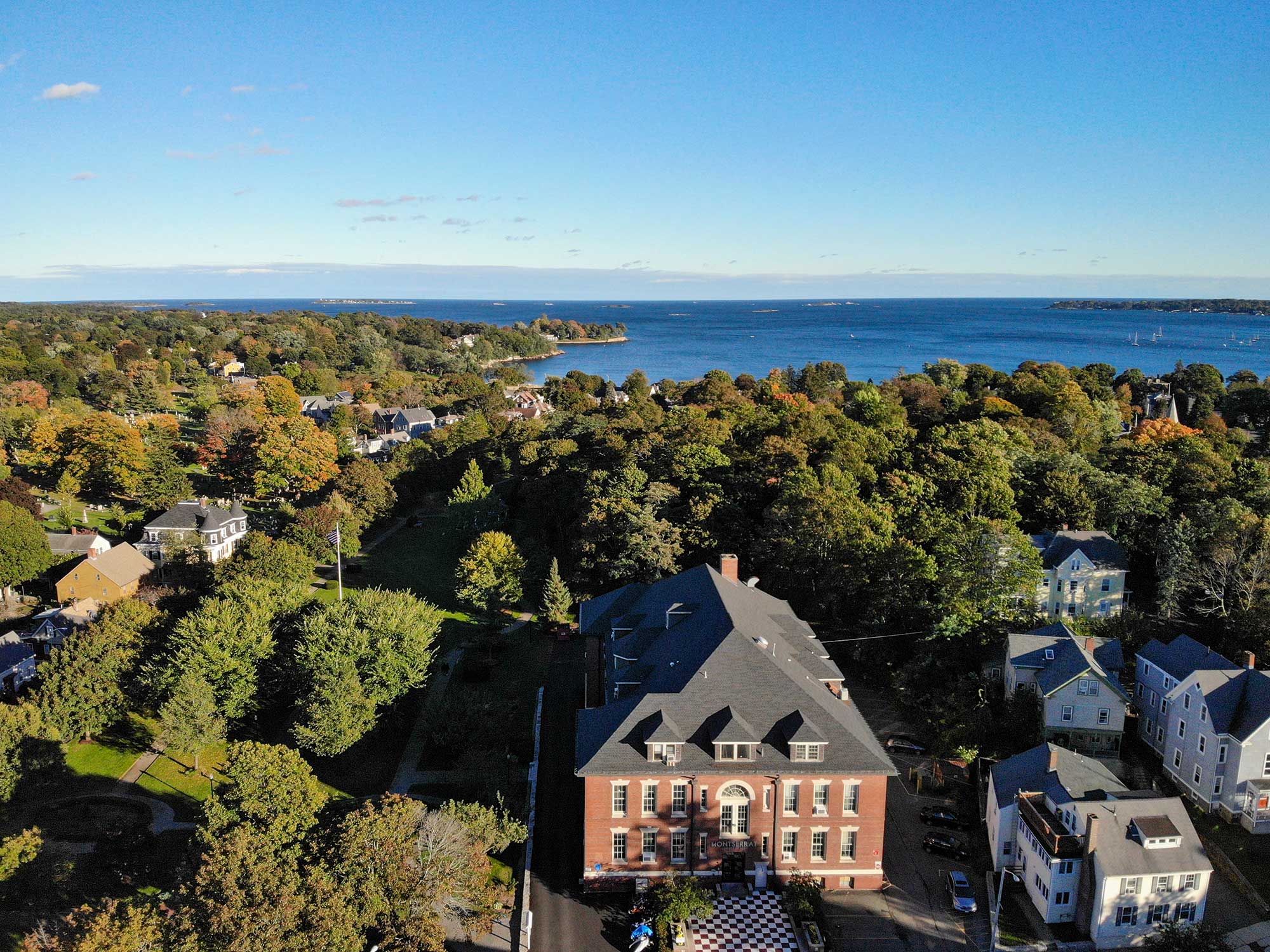
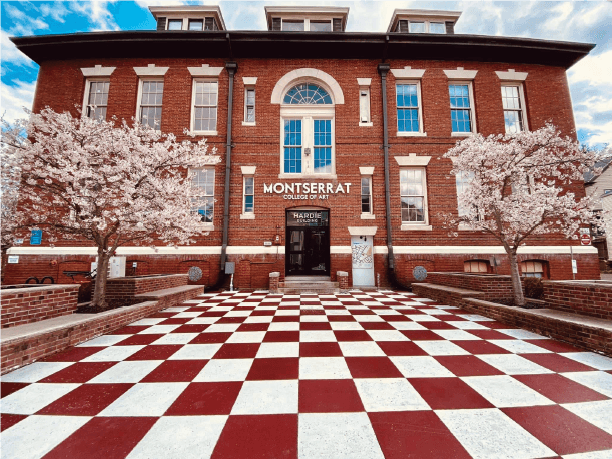
Montserrat College of Art is a small, fiercely independent art school in coastal Beverly, Massachusetts, where the admissions process is refreshingly straightforward and the curriculum is built for creative experimentation. This is not a place for the faint of artistic heart; it’s a career-focused, studio-intensive environment where students dive headfirst into illustration, animation, and painting, supported by a tight-knit community. The outcomes are pragmatic—most graduates land in creative fields, though financial returns are modest, reflecting the realities of a life in the arts.
More details
- Undergrad enrollment
- 226
- In-state tuition
- $40,690
- Out-of-state tuition
- $40,690
- Application
- Rolling Admissions, Portfolio Required
- Student Body
- ~70% White, ~73% Live On-Campus
- Financial Aid
- 90% of first-year students receive aid
- Popular Majors
- Illustration, Animation, Graphic Design
- Graduation Rate
- 53%
- Median Earnings (10yr)
- $33,022
Outcomes & value
Outcomes & value
- Median earnings (10 yr)
- $33,022
- Value (earnings ÷ net price)
- 1.0×
- Median debt at graduation
- $27,000
- Graduation rate
- 53%
- First-year retention
- 91%
- Reducing loan balance (3 yr)
- 59%
- Pell (lower-income) share
- 35%
- First-gen share (among federal-aid recipients)
- 33%
Financial health
1.6 / 3.0Meets the federal financial-responsibility standard
U.S. Dept. of Education Financial Responsibility Composite Score (FY2022-23). Scale −1.0 to 3.0; ≥1.5 meets the standard. Reported for private nonprofit & for-profit institutions only — public universities are state-backed and not scored, so this is a stability signal, not a ranking.
Top-earning majors
Median earnings by field of study (highest credential), ~2 years after completion.
- Fine and Studio Arts$21,964
- Design and Applied Arts$21,899
Source: U.S. Dept. of Education College Scorecard (field-of-study earnings). Figures cover graduates who received federal aid and lag ~2 years; not all programs report data.
Campus & location
Campus safety
- On-campus violent crimes (2024)
- 0
On-campus criminal offenses classed as violent (murder/non-negligent manslaughter, rape, robbery, aggravated assault) for the most recent reported year. Source: U.S. Dept. of Education Campus Safety and Security (Clery Act). Counts reflect what’s reported to the school, and urban campuses often report more partly due to non-student incidents nearby — read alongside campus size and setting, not as a standalone safety verdict.
Climate
- Pleasant days / yr
- 105
- Summer high
- 79°F
- Winter low
- 25°F
- Annual rain
- 41.2"
- Annual snow
- 34.3"
- Natural-hazard risk
- Relatively High
Pleasant days counts days per year with a mean temperature of 55–75°F, a high at or below 90°F, a low at or above 45°F, and little precipitation — a transparent comfort measure, not a weighting we invented. Computed from Open-Meteo ERA5 daily history (2019–2023). Natural-hazard risk is the county’s composite rating from the FEMA National Risk Index.
Deep dive — research, future-scholar output & economic mobility
Research output
- Institutional h-index
- 2
- Scholarly works
- 7
Institutional research volume and impact from OpenAlex. The h-index reflects large research universities and will be low for teaching-focused liberal-arts colleges — not a measure of undergraduate quality.
Quick answers
- How much does Montserrat College of Art cost?
- At Montserrat College of Art, the average net price (after aid) is about $33,216 per year. Actual cost varies with financial aid and residency.
- How many undergraduates attend Montserrat College of Art?
- Montserrat College of Art enrolls approximately 226 undergraduate students.
- Where is Montserrat College of Art located?
- Montserrat College of Art is located in Beverly, MA.
Admissions
Getting into Montserrat is less about competing against a high-stakes percentile and more about demonstrating a serious commitment to making art. The college is transparently not selective, with reported between 75% and 100%.
Admissions operate on a rolling basis, meaning there's no single deadline panic. The application checklist is standard for an art school: the Common Application, transcripts, and, most critically, a portfolio of your work. Standardized test scores are considered but are not a barrier, with middle-50% SAT ranges reported between 810 and 1,230 and ACT composites between 14 and 26.
The student body is predominantly white (69.6%) and female, with a notable Hispanic/Latino population (12.78%). The college enrolls a significant number of transfer students, who make up 16% of new entrants. For those who apply, the path in is clear and focused on artistic potential over academic pedigree.
Compare Montserrat College of Art
See colleges similar to Montserrat College of Art →Sources
- Institutional Information
- Montserrat College of Art - DFR Report HTML
- Montserrat College of Art Admissions - BigFuture
- Montserrat College of Art - Profile, Rankings and Data
- Montserrat College of Art
- Montserrat College of Art Acceptance Rate
- Montserrat College of Art SAT Scores and GPA
- Montserrat College of Art Admissions & Acceptance
- Apply - Admissions
- Montserrat College of Art - Tuition and Acceptance Rate