Loading…
← All schools
Motion Picture Institute
Troy, MIprivate forprofitmotionpicture.edu
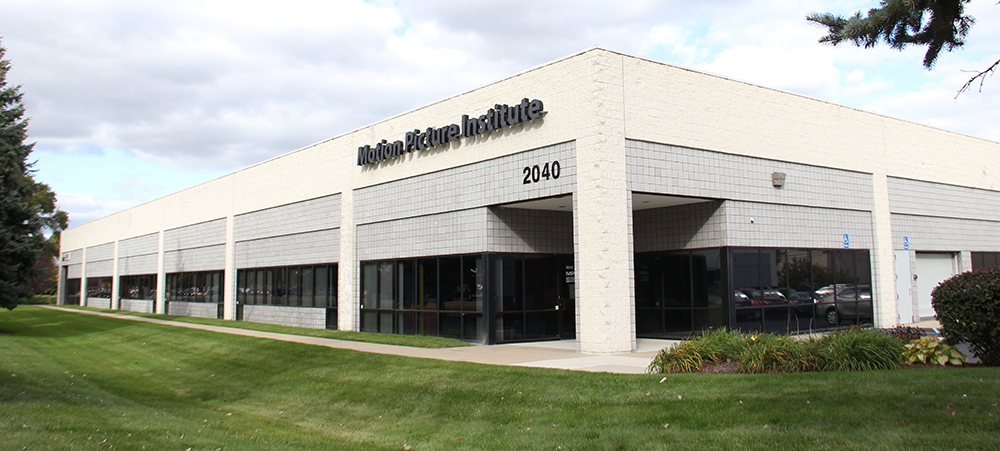
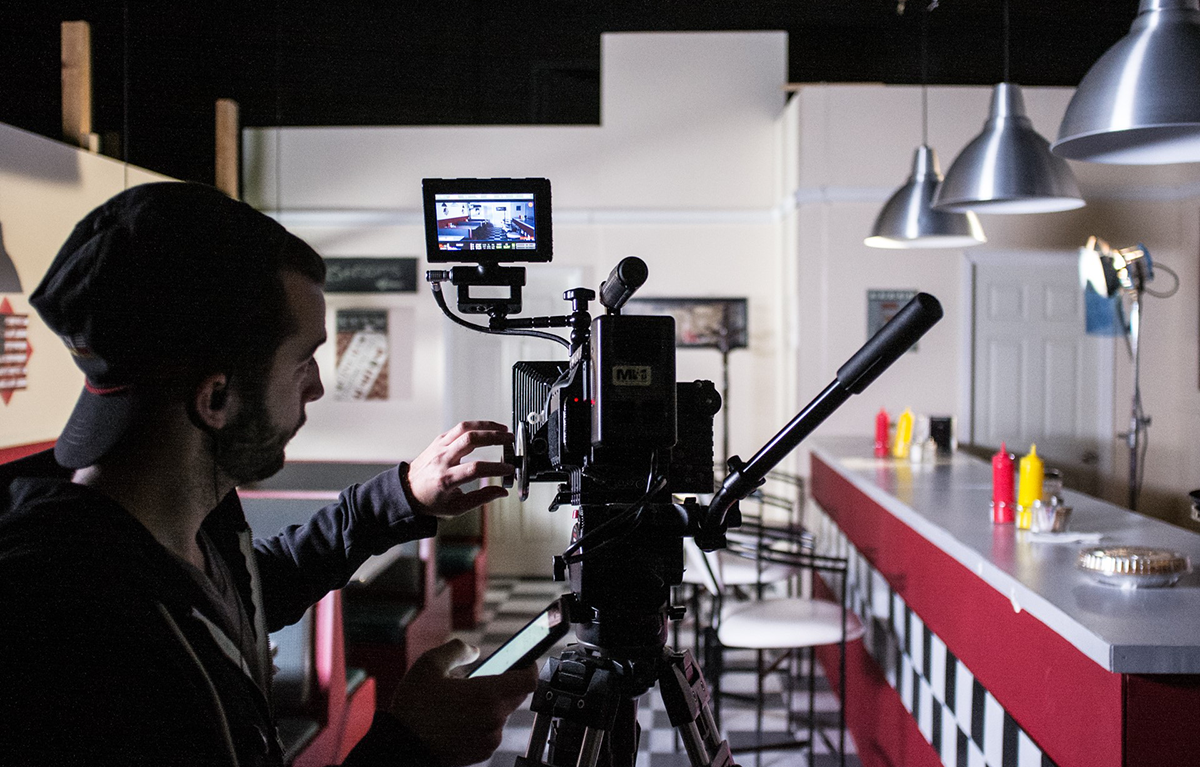
Motion Picture Institute is a hyper-focused, no-frills trade school for filmmaking in Troy, Michigan, where the entire curriculum is a sprint to a professional showreel. It operates with the intensity of a working film set, not a traditional liberal arts campus, prioritizing hands-on production skills over theory or general education. With an admissions process that is more about commitment than competition, MPI offers a direct, accelerated path for those who want to bypass academia and start making movies immediately.
Admission requirements
Test-blind — scores not considered
Required
- High school transcript
- Grade point average
- Letters of recommendation
Source: IPEDS Admissions survey (2022) via Urban Institute. Covers formal factors only — it does not reflect essays, extracurriculars, or other holistic criteria.
More details
- Undergrad enrollment
- 53
- Core Curriculum
- Screenwriting, Directing, Producing, Cinematography, Sound, Editing
- Standardized Tests
- Not Considered
- Institutional Scholarships
- Up to four, covering 25% of annual tuition
Outcomes & value
Outcomes & value
- Pell (lower-income) share
- 27%
Earnings = median of students working ~10 years after entry; debt = median of graduates. Value divides 10-yr earnings by one year’s net price — read it as earnings per dollar of annual cost, not a full lifetime ROI; it favors lower-cost schools. Source: U.S. Dept. of Education College Scorecard. Figures lag ~2 years and reflect all students, not your intended major.
Financial health
2.0 / 3.0Meets the federal financial-responsibility standard
U.S. Dept. of Education Financial Responsibility Composite Score (FY2022-23). Scale −1.0 to 3.0; ≥1.5 meets the standard. Reported for private nonprofit & for-profit institutions only — public universities are state-backed and not scored, so this is a stability signal, not a ranking.
Campus & location
Campus safety
- On-campus violent crimes (2024)
- 0
On-campus criminal offenses classed as violent (murder/non-negligent manslaughter, rape, robbery, aggravated assault) for the most recent reported year. Source: U.S. Dept. of Education Campus Safety and Security (Clery Act). Counts reflect what’s reported to the school, and urban campuses often report more partly due to non-student incidents nearby — read alongside campus size and setting, not as a standalone safety verdict.
Climate
- Pleasant days / yr
- 89
- Summer high
- 81°F
- Winter low
- 22°F
- Annual rain
- 37.7"
- Annual snow
- 31.1"
- Natural-hazard risk
- Relatively High
Pleasant days counts days per year with a mean temperature of 55–75°F, a high at or below 90°F, a low at or above 45°F, and little precipitation — a transparent comfort measure, not a weighting we invented. Computed from Open-Meteo ERA5 daily history (2019–2023). Natural-hazard risk is the county’s composite rating from the FEMA National Risk Index.
Quick answers
- What is the acceptance rate at Motion Picture Institute?
- Motion Picture Institute's acceptance rate is approximately 90% (Troy, MI), based on the most recent figures we compiled from public and primary sources.
- How many undergraduates attend Motion Picture Institute?
- Motion Picture Institute enrolls approximately 53 undergraduate students.
- Where is Motion Picture Institute located?
- Motion Picture Institute is located in Troy, MI.
Admissions
Admission to MPI is defined by accessibility rather than selectivity. The institute reports a high , with sources citing figures around 89.7% to 93% for recent cycles; we use the canonical figure of 90%. The process is straightforward and pragmatic: applicants must have a high school diploma or GED and submit official transcripts. Notably, SAT and ACT scores are not considered in the admissions process. The final decision rests with the school's president, emphasizing a personal review over formulaic scoring. This approach reflects the school's mission to open doors for passionate filmmakers based on their drive and foundational readiness, not standardized test performance. There is no mention of an Early Decision program or a policy of considering demonstrated interest, aligning with its practical, non-competitive ethos.
Compare Motion Picture Institute
vs University of Minnesota-Morrisvs Southwestern Collegevs Marian Universityvs Huntington University
See colleges similar to Motion Picture Institute →Sources
- [PDF] 2023-2024 Common Data Set Template
- [PDF] Common Data Set 2022-2023 - Pratt Institute
- Motion Picture Institute - Data USA
- [PDF] Common Data Set 2024-2025 - New York University
- Common Data Set | The City College of New York
- [PDF] ACADEMIC CATALOG - Motion Picture Institute
- Motion Picture Institute Acceptance Rate and SAT/ACT Scores
- Motion Picture Institute — Acceptance Rate, Costs & More | College ...
- How smart do you need to be to go to film school? - FilmSchool.org