Loading…
← All schools
Mount Angel Seminary
Saint Benedict, ORprivate nonprofitmountangelabbey.org
Acceptance
100%
Earnings (10 yr)
$57,436
Graduation rate
50%
Admit rate has ranged 40%–100% over the last 5 years — notably volatile. Source: IPEDS via Urban Institute.
Acceptance & SAT from Common Data Set / IPEDS; net price, earnings & graduation from the U.S. Dept. of Education College Scorecard. Figures lag ~1–2 years — verify with the school.
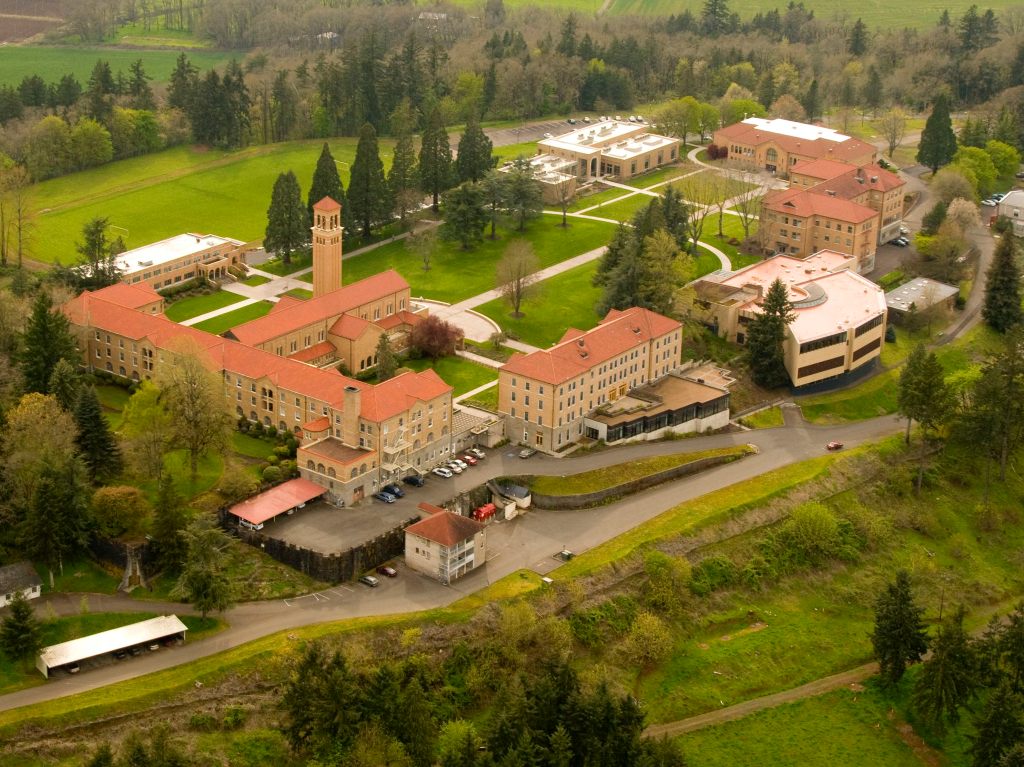
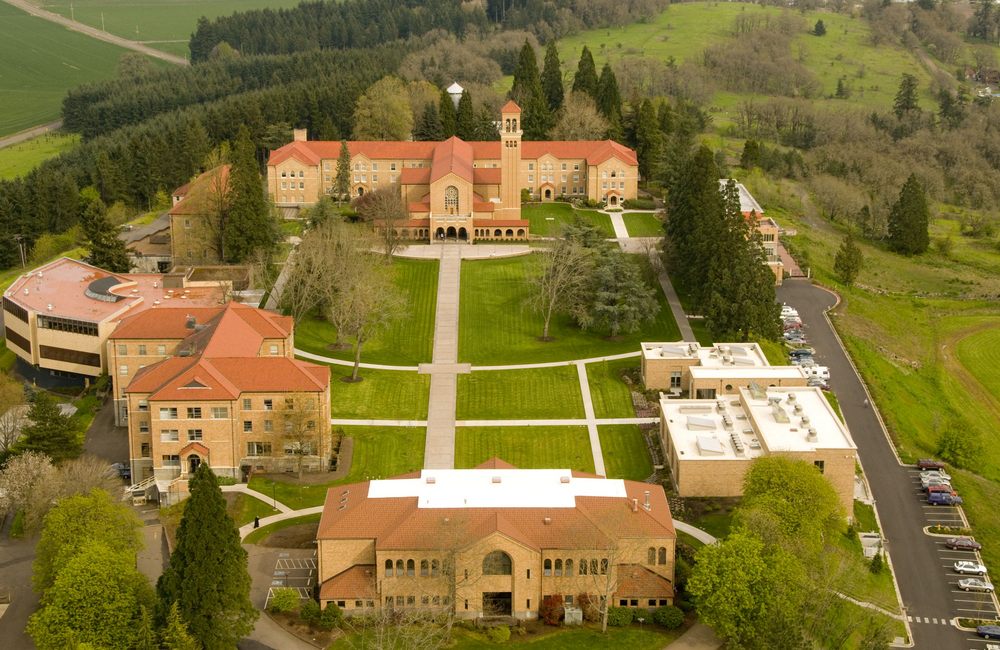
Mount Angel Seminary is not a college in the conventional sense; it's a deeply intentional, Catholic formation community perched on a hilltop in Oregon's Willamette Valley. Its mission is singular: to prepare men for the priesthood through a rigorous integration of liberal arts, philosophy, and theology, all lived within a structured, communal life of prayer and virtue. With an admissions process focused on vocation over conventional metrics, it operates as a world apart, producing graduates whose primary 'outcome' is a life of service, reflected in modest but meaningful post-graduate earnings.
Admission requirements
Test-blind — scores not considered
Required
- High school transcript
- Letters of recommendation
- TOEFL (non-native English)
Source: IPEDS Admissions survey (2022) via Urban Institute. Covers formal factors only — it does not reflect essays, extracurriculars, or other holistic criteria.
More details
- Undergrad enrollment
- 38
- In-state tuition
- $31,490
- Out-of-state tuition
- $31,490
- Campus Vibe
- Structured, communal, contemplative
- Core Mission
- Formation for the Catholic priesthood
- Student Body
- Highly diverse; nearly half Latino
- Graduation Rate
- 50%
- Average Grant Award
- $5,550
- Median Earnings (10yr)
- $57,436
- % Students Receiving Grant Aid
- 100%
Outcomes & value
Outcomes & value
- Median earnings (10 yr)
- $57,436
- Graduation rate
- 50%
- First-year retention
- 100%
- Pell (lower-income) share
- 18%
- Endowment / student
- $253,057
Earnings = median of students working ~10 years after entry; debt = median of graduates. Value divides 10-yr earnings by one year’s net price — read it as earnings per dollar of annual cost, not a full lifetime ROI; it favors lower-cost schools. Source: U.S. Dept. of Education College Scorecard. Figures lag ~2 years and reflect all students, not your intended major.
Financial health
3.0 / 3.0Meets the federal financial-responsibility standard
U.S. Dept. of Education Financial Responsibility Composite Score (FY2022-23). Scale −1.0 to 3.0; ≥1.5 meets the standard. Reported for private nonprofit & for-profit institutions only — public universities are state-backed and not scored, so this is a stability signal, not a ranking.
Campus & location
Campus safety
- On-campus violent crimes (2024)
- 0
- Per 1,000 students
- 0.00
On-campus criminal offenses classed as violent (murder/non-negligent manslaughter, rape, robbery, aggravated assault) for the most recent reported year. Source: U.S. Dept. of Education Campus Safety and Security (Clery Act). Counts reflect what’s reported to the school, and urban campuses often report more partly due to non-student incidents nearby — read alongside campus size and setting, not as a standalone safety verdict.
Climate
- Pleasant days / yr
- 110
- Summer high
- 81°F
- Winter low
- 35°F
- Annual rain
- 47.9"
- Annual snow
- 10.9"
- Natural-hazard risk
- Relatively High
Pleasant days counts days per year with a mean temperature of 55–75°F, a high at or below 90°F, a low at or above 45°F, and little precipitation — a transparent comfort measure, not a weighting we invented. Computed from Open-Meteo ERA5 daily history (2019–2023). Natural-hazard risk is the county’s composite rating from the FEMA National Risk Index.
Quick answers
- What is the acceptance rate at Mount Angel Seminary?
- Mount Angel Seminary's acceptance rate is approximately 100% (Saint Benedict, OR), based on the most recent figures we compiled from public and primary sources.
- How many undergraduates attend Mount Angel Seminary?
- Mount Angel Seminary enrolls approximately 38 undergraduate students.
- Where is Mount Angel Seminary located?
- Mount Angel Seminary is located in Saint Benedict, OR.
Admissions
The admissions process at Mount Angel Seminary is fundamentally different from that of a typical undergraduate institution. It is not selective in an academic sense; the seminary accepts 100% of its applicants. The critical filter is not GPA or test scores—the school does not publish an SAT range and is described as 'not selective'—but a discernible call to priestly formation and the ability to thrive in its intense communal environment. The rate—the percentage of admitted students who enroll—is reported to be 100%, indicating that those who apply are deeply committed and, once accepted, almost universally choose to attend. This suggests the admissions office is vetting for vocational readiness and fit from the outset, making the application itself a serious step of discernment. While no specific to Mount Angel was provided among the sources to detail factors like 'demonstrated interest,' the nature of the institution implies that a candidate's spiritual references, personal statement of vocation, and endorsement from a diocese or religious order would be paramount.
Compare Mount Angel Seminary
vs Willamette Universityvs Arizona Christian Universityvs Fresno Pacific Universityvs Carroll College
See colleges similar to Mount Angel Seminary →Sources
- Common Data Set: Home
- [PDF] common-data-set-current-year.pdf - Saint Vincent College
- Common Data Set - Saint Mary's College
- Mount Angel Seminary | Data USA
- Common Data Set - ccmrwithmsthrash
- [PDF] Common Data Set 2023 – 2024 - Institutional Research and Analytics
- Mount Angel Seminary Requirements for Admission - PrepScholar
- Mount Angel Seminary Admissions - BigFuture College Search
- Mount Angel Seminary - Niche
- Mount Angel Seminary Acceptance Rate - CollegeData
- Mount Angel Seminary [Ranking 2026 + Acceptance Rate] - EduRank