Loading…
← All schools
Mountainland Technical College
Lehi, UTpublicmtec.edu
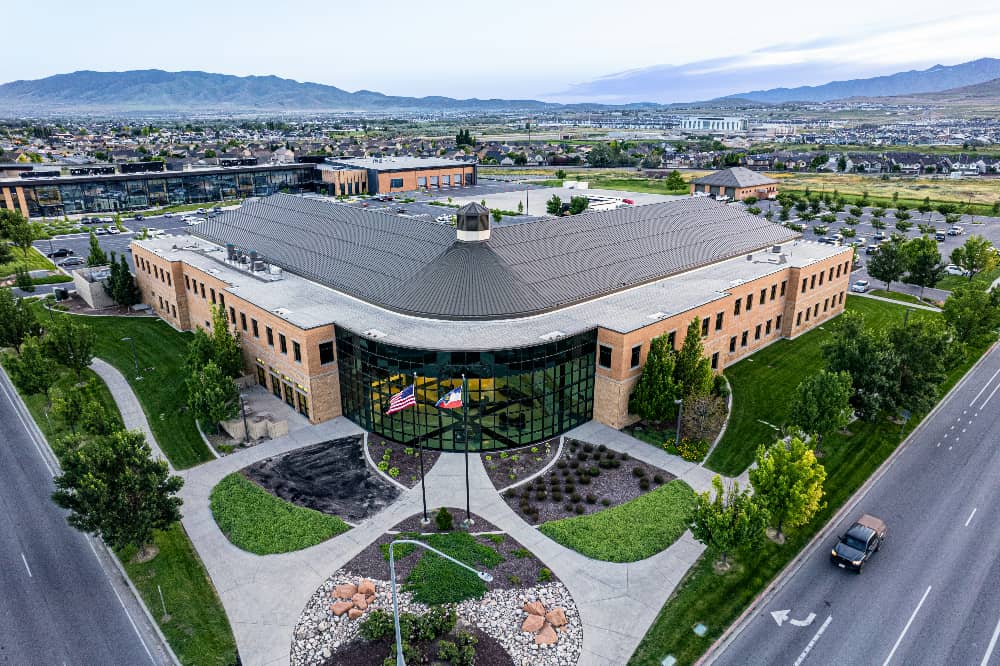
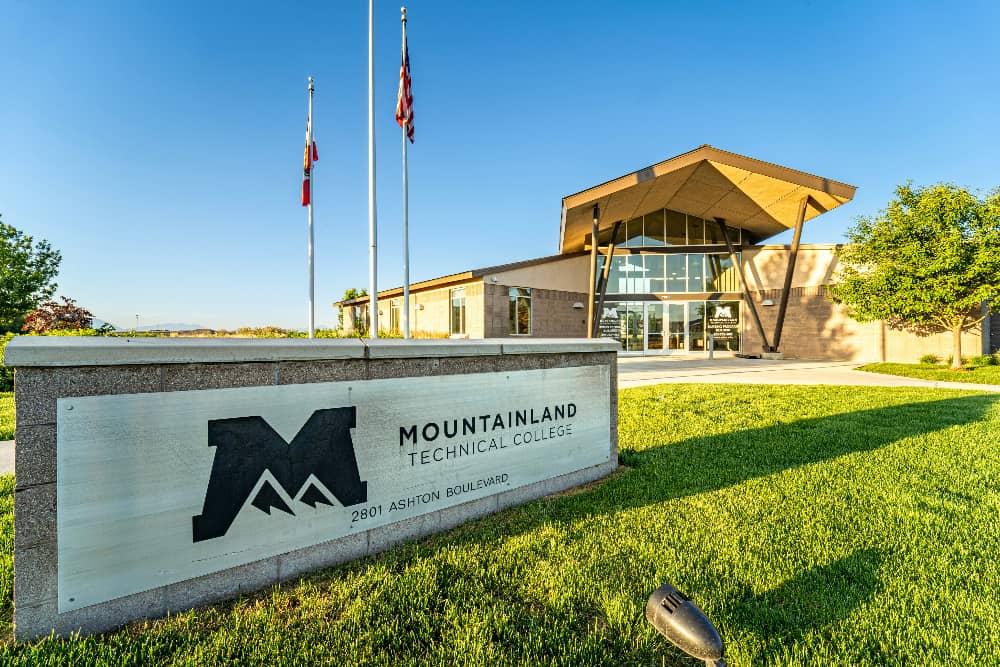
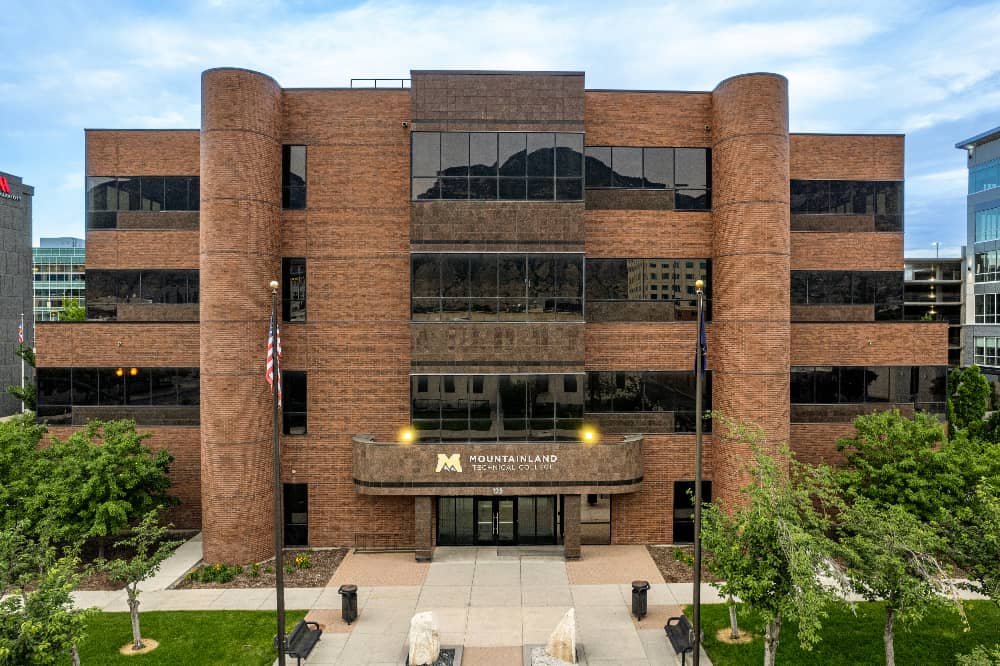
Mountainland Technical College (MTECH) is a Utah public technical college that operates on a radically different model than a traditional university. It’s a high-throughput, open-access gateway to skilled trades, healthcare, and technology careers, defined by 100% acceptance, short-term certificates, and hands-on training with industry-expert instructors. The vibe is pragmatic, fast-paced, and focused entirely on employability, attracting a student body that’s overwhelmingly local and ready to work.
More details
- Undergrad enrollment
- 2,774
- Program Focus
- Apprenticeships, Healthcare, Services, Technology, Trades
- Instruction Model
- Hands-on, industry-expert led
- Financial Aid Emphasis
- FAFSA completion, scholarship matching
- Median Earnings (10yr)
- $31,963
Outcomes & value
Outcomes & value
- Median earnings (10 yr)
- $31,963
- Pell (lower-income) share
- 9%
- First-gen share (among federal-aid recipients)
- 37%
Earnings = median of students working ~10 years after entry; debt = median of graduates. Value divides 10-yr earnings by one year’s net price — read it as earnings per dollar of annual cost, not a full lifetime ROI; it favors lower-cost schools. Source: U.S. Dept. of Education College Scorecard. Figures lag ~2 years and reflect all students, not your intended major.
Campus & location
Campus safety
- On-campus violent crimes (2024)
- 0
On-campus criminal offenses classed as violent (murder/non-negligent manslaughter, rape, robbery, aggravated assault) for the most recent reported year. Source: U.S. Dept. of Education Campus Safety and Security (Clery Act). Counts reflect what’s reported to the school, and urban campuses often report more partly due to non-student incidents nearby — read alongside campus size and setting, not as a standalone safety verdict.
Climate
- Pleasant days / yr
- 81
- Summer high
- 89°F
- Winter low
- 25°F
- Annual rain
- 22.9"
- Annual snow
- 64"
- Natural-hazard risk
- Relatively High
Pleasant days counts days per year with a mean temperature of 55–75°F, a high at or below 90°F, a low at or above 45°F, and little precipitation — a transparent comfort measure, not a weighting we invented. Computed from Open-Meteo ERA5 daily history (2019–2023). Natural-hazard risk is the county’s composite rating from the FEMA National Risk Index.
Quick answers
- How many undergraduates attend Mountainland Technical College?
- Mountainland Technical College enrolls approximately 2,774 undergraduate students.
- Where is Mountainland Technical College located?
- Mountainland Technical College is located in Lehi, UT.
Admissions
MTECH's admissions philosophy is the antithesis of selective. The college reports a 100% acceptance rate, positioning itself as an open-access institution. The process is not about filtering for academic pedigree but ensuring students are prepared for the rigors of technical training. To that end, MTECH requires students to take an entrance assessment to ensure they have the necessary reading and math skills for their chosen program. The admitted student body is almost entirely in-state, with one source noting 97% of admitted students are from Utah. There is no mention of Early Decision, Early Action, or any form of binding early application plans; the admissions cycle appears to be rolling and continuous. The college actively encourages prospective students to attend in-person or virtual Information Sessions to learn about programs and resources, but there is no indication from the provided sources that 'demonstrated interest' is a formal, tracked factor in admissions decisions. The overarching message is one of accessibility: the primary barrier to entry is a student's readiness to engage with technical material, not competition for a scarce seat.
Compare Mountainland Technical College
vs United States Air Force Academyvs Fort Lewis Collegevs University of Puerto Rico-Arecibovs University of Puerto Rico
See colleges similar to Mountainland Technical College →Sources
- Common Data Set - Institutional Research & Planning
- Common Data Set: Home
- Common Data Set (2024-25)
- Where to find Common Data Set (CDS) for college ...
- Common Data Set - Financial Services - Caltech
- Common Data Set | Institutional Effectiveness
- Mountainland Technical College
- 600.604 Admissions and Enrollment Procedure.docx
- Admissions - MTECH
- Mountainland Technical College - Lehi, UT
- Midlands Technical College Admissions - BigFuture
- Mountainland Technical College | MTECH