Loading…
← All schools
National Park College
Hot Springs, ARpublicwww.np.edu/
Avg net price
$12,720
Earnings (10 yr)
$32,444
Acceptance & SAT from Common Data Set / IPEDS; net price, earnings & graduation from the U.S. Dept. of Education College Scorecard. Figures lag ~1–2 years — verify with the school.
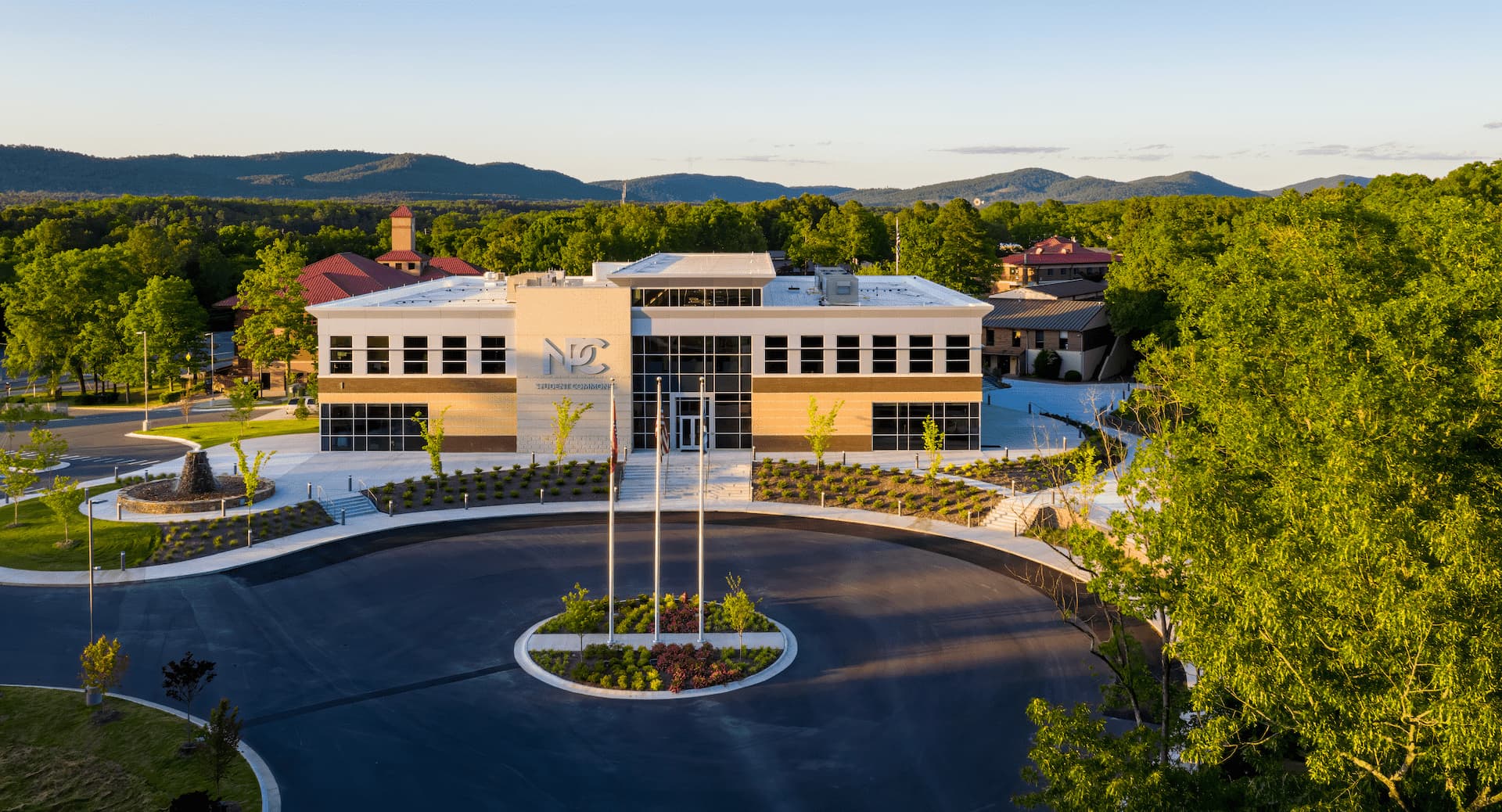
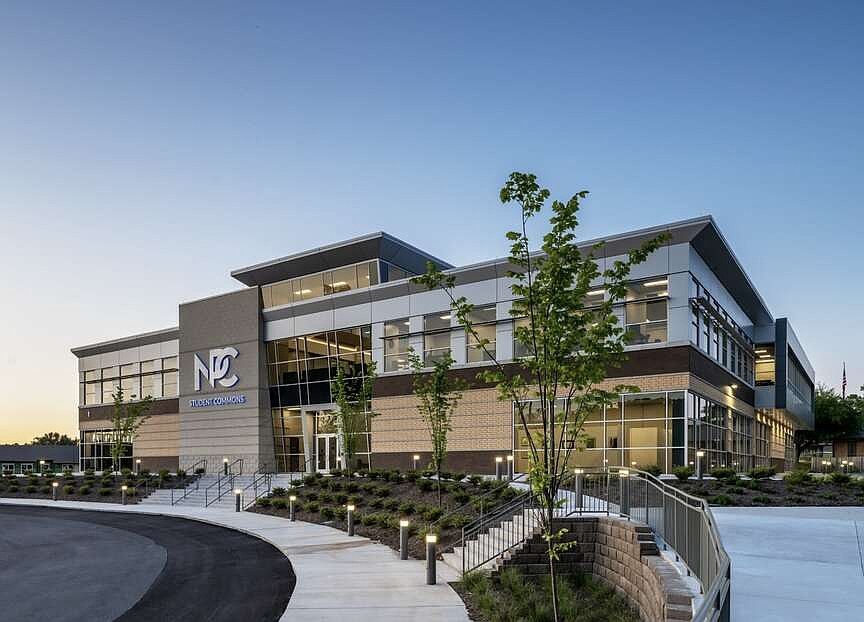
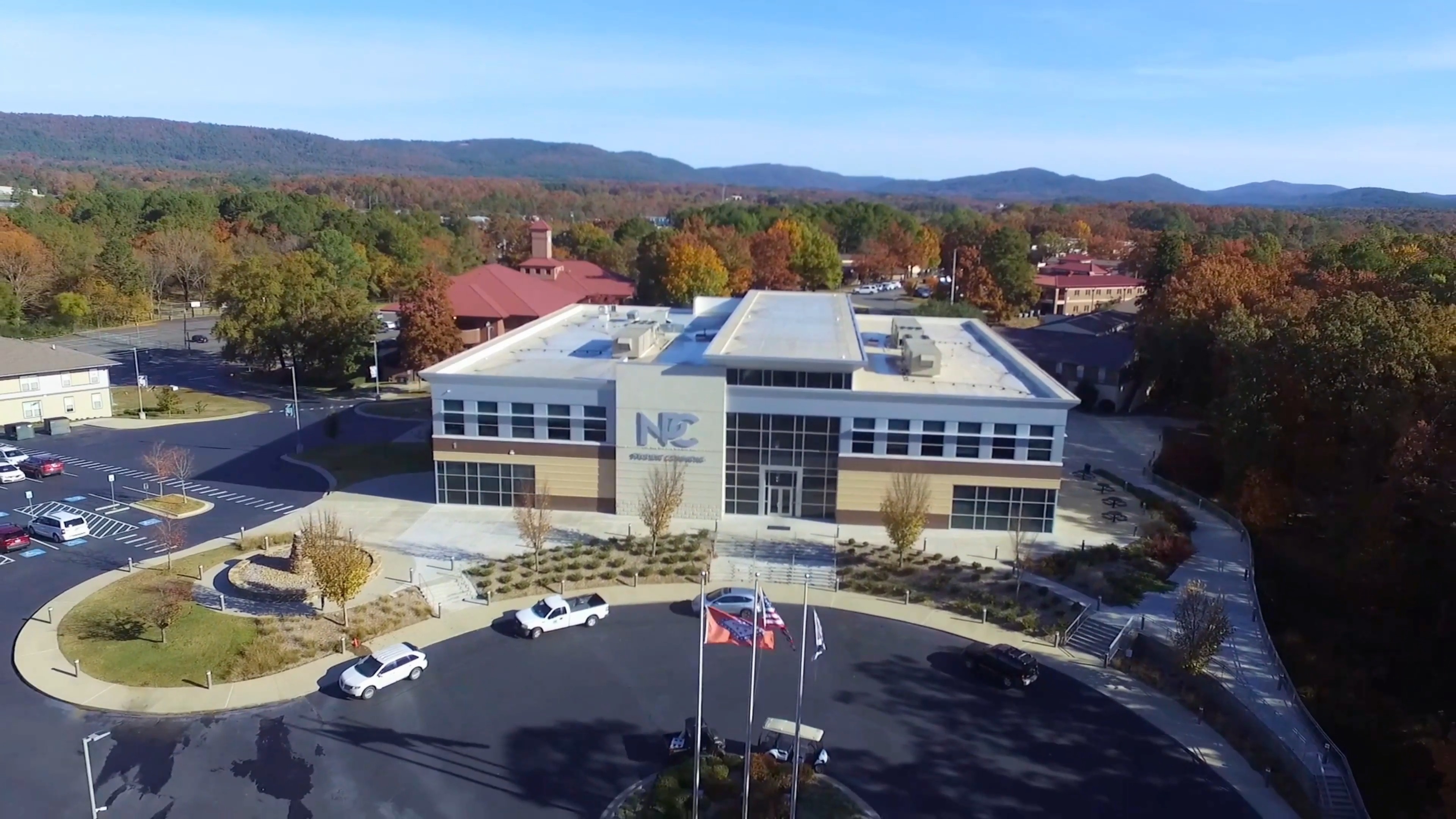
National Park College is a public community college in Hot Springs, Arkansas, that operates with a distinctly open-access mission. It serves as a vital educational and workforce engine for the region, enrolling thousands in academic transfer programs and hands-on career training. The vibe is practical, supportive, and community-focused, anchored by a campus that leverages its unique location near a national park.
More details
- Undergrad enrollment
- 1,789
- In-state tuition
- $5,600
- Out-of-state tuition
- $7,280
- Popular Majors
- Liberal Arts, Welding, Automotive, Nursing, Business
- Graduation Rate
- 28-35%
- Student Organizations
- Includes Black Student Association, SGA, honor societies
- Median Earnings (10yr)
- $32,444
Outcomes & value
Outcomes & value
- Median earnings (10 yr)
- $32,444
- Value (earnings ÷ net price)
- 2.6×
- Median debt at graduation
- $10,500
- Reducing loan balance (3 yr)
- 37%
- Pell (lower-income) share
- 48%
- First-gen share (among federal-aid recipients)
- 46%
Earnings = median of students working ~10 years after entry; debt = median of graduates. Value divides 10-yr earnings by one year’s net price — read it as earnings per dollar of annual cost, not a full lifetime ROI; it favors lower-cost schools. Source: U.S. Dept. of Education College Scorecard. Figures lag ~2 years and reflect all students, not your intended major.
Campus & location
Campus safety
- On-campus violent crimes (2024)
- 0
On-campus criminal offenses classed as violent (murder/non-negligent manslaughter, rape, robbery, aggravated assault) for the most recent reported year. Source: U.S. Dept. of Education Campus Safety and Security (Clery Act). Counts reflect what’s reported to the school, and urban campuses often report more partly due to non-student incidents nearby — read alongside campus size and setting, not as a standalone safety verdict.
Climate
- Pleasant days / yr
- 82
- Summer high
- 90°F
- Winter low
- 37°F
- Annual rain
- 55"
- Annual snow
- 3.7"
- Natural-hazard risk
- Relatively Moderate
Pleasant days counts days per year with a mean temperature of 55–75°F, a high at or below 90°F, a low at or above 45°F, and little precipitation — a transparent comfort measure, not a weighting we invented. Computed from Open-Meteo ERA5 daily history (2019–2023). Natural-hazard risk is the county’s composite rating from the FEMA National Risk Index.
Deep dive — research, future-scholar output & economic mobility
Research output
- Institutional h-index
- 29
- Scholarly works
- 245
Institutional research volume and impact from OpenAlex. The h-index reflects large research universities and will be low for teaching-focused liberal-arts colleges — not a measure of undergraduate quality.
Quick answers
- How much does National Park College cost?
- At National Park College, the average net price (after aid) is about $12,720 per year. Actual cost varies with financial aid and residency.
- How many undergraduates attend National Park College?
- National Park College enrolls approximately 1,789 undergraduate students.
- Where is National Park College located?
- National Park College is located in Hot Springs, AR.
Admissions
Admissions at National Park College are designed for accessibility, not selectivity. The process is open and straightforward, reflecting its mission as a public community college. Prospective students must submit an application and provide test scores from the ACT, SAT, or Accuplacer exams, with the stipulation that scores cannot be older than five years. The college does not appear to have an Early Decision or Early Action program, and sources indicate a very high , with one reporting it at 100%. The primary gatekeepers are not committees but the specific requirements for individual programs, like the Honors Program, which mandates criteria such as a composite ACT score of 24, an SAT score of 1100, an Accuplacer Writing score of 103, or a GPA of 3.5. For the vast majority of applicants, the path to enrollment is clear and unimpeded, focused on placement and readiness rather than competitive exclusion.
Academics
The academic profile of National Park College is defined by practicality and breadth, offering a mix of associate degrees and certificates designed for direct career entry or seamless transfer. Students can earn credentials in 28 different fields. The most popular majors are firmly rooted in applied skills and foundational studies: Liberal Arts and Humanities, Welding, Automotive Mechanics, Nursing, and Business. Each year, the college awards around 67 degrees in Liberal Arts and Sciences/Liberal Studies alone, its most popular program. Other notable offerings include General Studies and Registered Nursing. The faculty are described as "well educated, trained, and most of all" dedicated to student success. While the curriculum is comprehensive, its connection to the college's namesake is more thematic than formal; a discussion among aspiring park rangers noted that while NPC could provide a foundational understanding of natural and cultural resources, students don't necessarily have to major in a hard science. The focus is on providing outstanding academic programs that meet regional workforce needs and prepare students for the next step, whether that's a job or a four-year university.
Compare National Park College
vs University of Arkansas at Pine Bluffvs Florida Polytechnic Universityvs University of Puerto Rico-Carolinavs University of Puerto Rico at Ponce
See colleges similar to National Park College →Sources
- [PDF] Common Data Set 2022-2023
- [PDF] Common Data Set 2024-2025 - Point Park University
- Common Data Set | Office of Planning, Assessment, and ... - opair
- The Common Data Set: What It Is & How to Use It In College ...
- Common Data Set - GradGPT
- Common Data Set Repository - College Transitions
- National Park College - Tuition and Acceptance Rate - Peterson's
- Admission Requirements | National Park College
- National Park College Admission, Acceptance Rate, SAT, ACT & GPA
- International Student | National Park College