Loading…
← All schools
Nebraska College of Technical Agriculture
Curtis, NEpublicncta.unl.edu
Avg net price
$14,639
Earnings (10 yr)
$56,887
Acceptance & SAT from Common Data Set / IPEDS; net price, earnings & graduation from the U.S. Dept. of Education College Scorecard. Figures lag ~1–2 years — verify with the school.
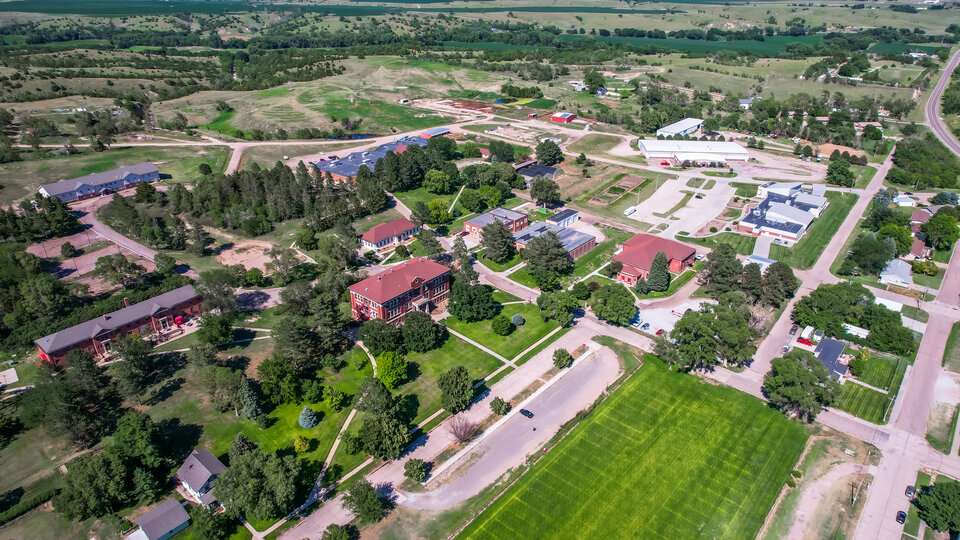
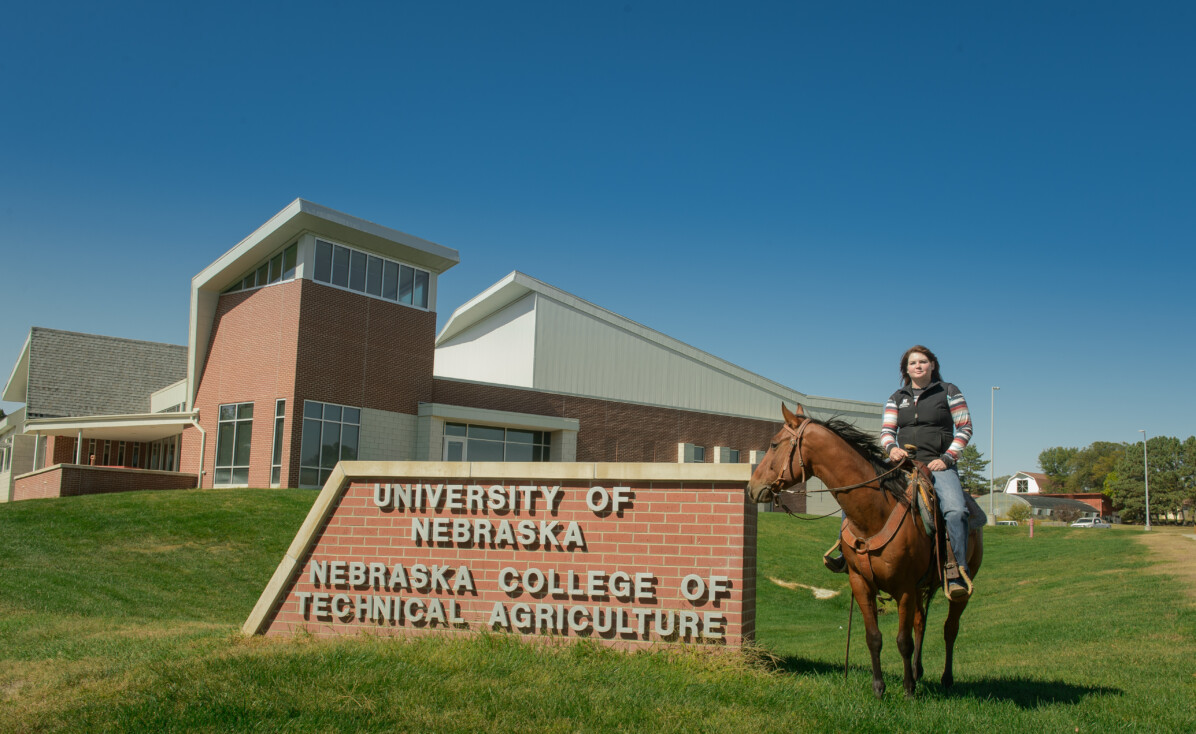
Nebraska College of Technical Agriculture is a public, open-admission technical school in rural Curtis, Nebraska, that operates with a singular, no-nonsense mission: to turn out highly skilled, immediately employable graduates for the agricultural and veterinary technology sectors. Its identity is forged in the barns, fields, and clinics of its compact campus, where hands-on learning isn't an elective—it's the entire curriculum. The payoff is starkly evident in the earning power of its alumni, who rank among the highest in career earnings for associate-degree holders.
More details
- Undergrad enrollment
- 196
- In-state tuition
- $5,926
- Out-of-state tuition
- $5,926
- Setting
- Rural
- Housing Cost
- $8,850/year
- Standardized Tests
- Not required
- Median Earnings (10yr)
- $56,887
- Financial Aid Recipients
- 67.37%
Outcomes & value
Outcomes & value
- Median earnings (10 yr)
- $56,887
- Value (earnings ÷ net price)
- 3.9×
- Median debt at graduation
- $21,000
- Reducing loan balance (3 yr)
- 74%
- Pell (lower-income) share
- 39%
- First-gen share (among federal-aid recipients)
- 22%
Earnings = median of students working ~10 years after entry; debt = median of graduates. Value divides 10-yr earnings by one year’s net price — read it as earnings per dollar of annual cost, not a full lifetime ROI; it favors lower-cost schools. Source: U.S. Dept. of Education College Scorecard. Figures lag ~2 years and reflect all students, not your intended major.
Campus & location
Campus safety
- On-campus violent crimes (2024)
- 0
On-campus criminal offenses classed as violent (murder/non-negligent manslaughter, rape, robbery, aggravated assault) for the most recent reported year. Source: U.S. Dept. of Education Campus Safety and Security (Clery Act). Counts reflect what’s reported to the school, and urban campuses often report more partly due to non-student incidents nearby — read alongside campus size and setting, not as a standalone safety verdict.
Climate
- Pleasant days / yr
- 79
- Summer high
- 87°F
- Winter low
- 20°F
- Annual rain
- 15.9"
- Annual snow
- 22.9"
- Natural-hazard risk
- Very Low
Pleasant days counts days per year with a mean temperature of 55–75°F, a high at or below 90°F, a low at or above 45°F, and little precipitation — a transparent comfort measure, not a weighting we invented. Computed from Open-Meteo ERA5 daily history (2019–2023). Natural-hazard risk is the county’s composite rating from the FEMA National Risk Index.
Quick answers
- How much does Nebraska College of Technical Agriculture cost?
- At Nebraska College of Technical Agriculture, the average net price (after aid) is about $14,639 per year. Actual cost varies with financial aid and residency.
- How many undergraduates attend Nebraska College of Technical Agriculture?
- Nebraska College of Technical Agriculture enrolls approximately 196 undergraduate students.
- Where is Nebraska College of Technical Agriculture located?
- Nebraska College of Technical Agriculture is located in Curtis, NE.
Admissions
NCTA’s admissions philosophy is straightforward and inclusive: if you have a high school diploma or GED, you’re in. The school operates with an open admission policy, reflected in its 100% acceptance rate. Standardized test scores from the SAT or ACT are not required for admission consideration, removing a traditional barrier for many applicants. The application process is simple, with a deadline typically in late August, though the open-admission nature means applications are likely reviewed on a rolling basis. There is a $45 application fee. The school does not appear to have early decision or early action programs, and there is no indication that demonstrated interest is a factor in admissions decisions—the focus is purely on a student's intent and readiness to pursue a technical agricultural education.
Compare Nebraska College of Technical Agriculture
vs Dickinson State Universityvs University of Minnesota-Morrisvs Governors State Universityvs United States Coast Guard Academy
See colleges similar to Nebraska College of Technical Agriculture →Sources
- Common Data Set 2024-2025
- Nebraska College of Technical Agriculture
- Nebraska College of Technical Agriculture
- Nebraska College of Technical Agriculture in Curtis, NE
- Common Data Set: Home
- Common Data Set 2025-2026
- Nebraska College of Technical Agriculture Admissions
- Nebraska College of Technical Agriculture
- Apply Now! | Nebraska College of Technical Agriculture in Curtis
- Nebraska College of Technical Agriculture