Loading…
← All schools
Neo-Esthetique European Institute
San Juan, PRprivate forprofitwww.institutoneo.com/
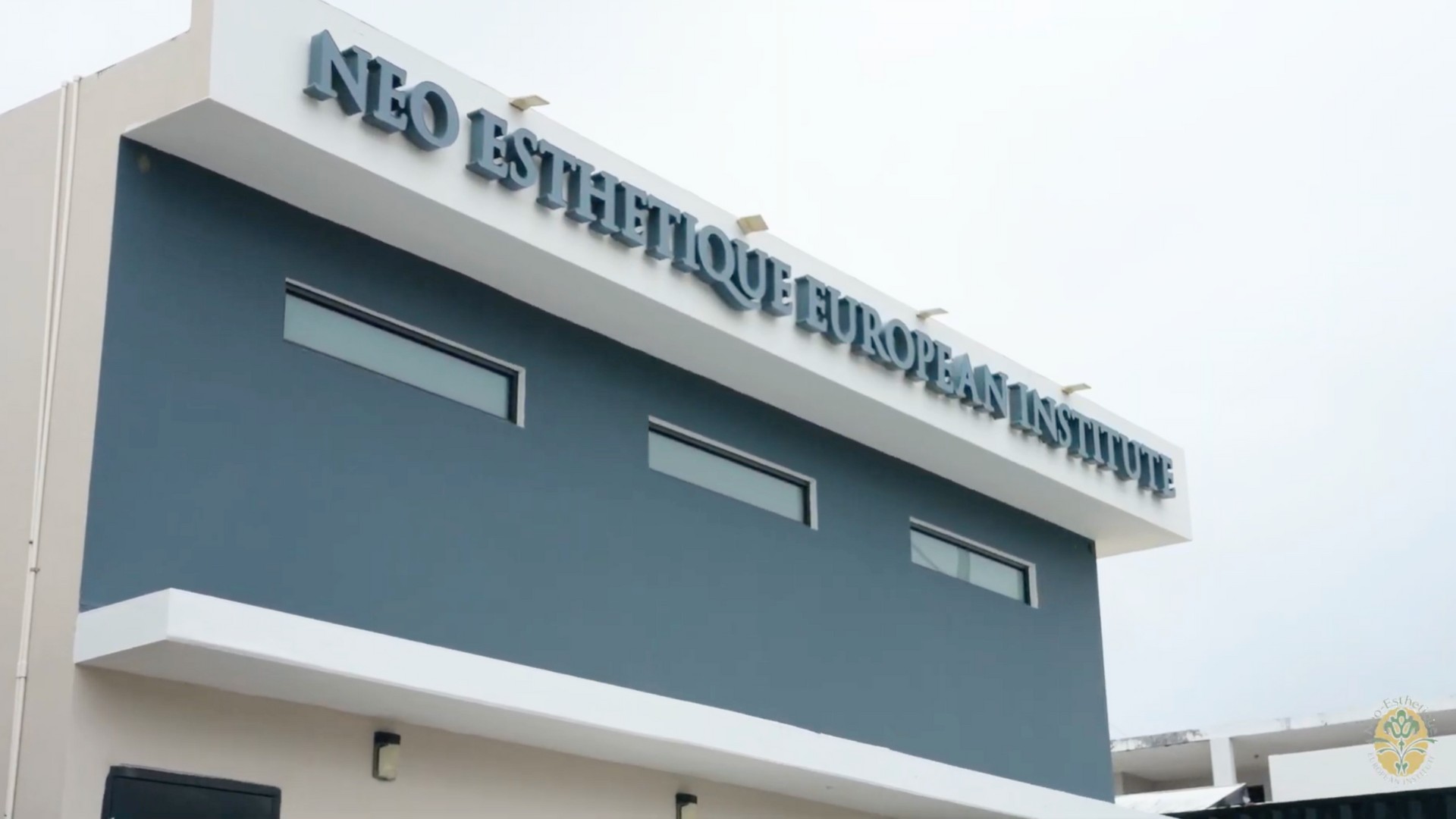
Neo-Esthetique European Institute is a hyper-specialized, for-profit trade school in San Juan, Puerto Rico, with a singular focus on the beauty and wellness industry. It operates on an open-admission, continuous-enrollment model, offering fast-track, hands-on training in esthetics, massage therapy, and makeup artistry. The vibe is intensely practical and career-focused, with small class sizes and a reported graduation rate of 70%—a figure that suggests a supportive, structured environment for its niche student body.
More details
- Undergrad enrollment
- 109
- Popular Majors
- Esthetics, Massage Therapy, Makeup Artistry
- Graduation Rate
- 70%
- Students with Loans
- 0%
- Highest Degree Offered
- Award of <1 year
- Federal Grant Recipients
- 100%
- Student-to-Faculty Ratio
- 15:1
- First-Year Retention Rate
- 89%
- Institutional Grant Recipients
- 0%
Outcomes & value
Outcomes & value
- Pell (lower-income) share
- 64%
Earnings = median of students working ~10 years after entry; debt = median of graduates. Value divides 10-yr earnings by one year’s net price — read it as earnings per dollar of annual cost, not a full lifetime ROI; it favors lower-cost schools. Source: U.S. Dept. of Education College Scorecard. Figures lag ~2 years and reflect all students, not your intended major.
Financial health
2.2 / 3.0Meets the federal financial-responsibility standard
U.S. Dept. of Education Financial Responsibility Composite Score (FY2022-23). Scale −1.0 to 3.0; ≥1.5 meets the standard. Reported for private nonprofit & for-profit institutions only — public universities are state-backed and not scored, so this is a stability signal, not a ranking.
Campus & location
Campus safety
- On-campus violent crimes (2024)
- 0
On-campus criminal offenses classed as violent (murder/non-negligent manslaughter, rape, robbery, aggravated assault) for the most recent reported year. Source: U.S. Dept. of Education Campus Safety and Security (Clery Act). Counts reflect what’s reported to the school, and urban campuses often report more partly due to non-student incidents nearby — read alongside campus size and setting, not as a standalone safety verdict.
Climate
- Pleasant days / yr
- 15
- Summer high
- 90°F
- Winter low
- 70°F
- Annual rain
- 29.9"
Pleasant days counts days per year with a mean temperature of 55–75°F, a high at or below 90°F, a low at or above 45°F, and little precipitation — a transparent comfort measure, not a weighting we invented. Computed from Open-Meteo ERA5 daily history (2019–2023).
Quick answers
- How much does Neo-Esthetique European Institute cost?
- At Neo-Esthetique European Institute, the average net price (after aid) is about $7,813 per year. Actual cost varies with financial aid and residency.
- How many undergraduates attend Neo-Esthetique European Institute?
- Neo-Esthetique European Institute enrolls approximately 109 undergraduate students.
- Where is Neo-Esthetique European Institute located?
- Neo-Esthetique European Institute is located in San Juan, PR.
Admissions
Admissions at Neo-Esthetique European Institute are defined by accessibility and a rolling, career-focused timeline. The institute has an open admission policy, meaning all applicants who apply are accepted, which translates to a reported 100% acceptance rate. This aligns with its mission as a vocational school providing specialized training. The institute operates a program of continuous admissions as part of its academic calendar, with classes meeting Monday through Friday, allowing students to start their practical training without waiting for traditional semester start dates. Standardized test scores (SAT/ACT) are not a factor in the admissions process. The application process appears streamlined, focused on enrolling students directly into their chosen vocational program rather than on selective academic criteria.
Academics
The academic model is laser-focused, offering a narrow set of vocational certificates designed for rapid entry into the beauty and wellness sector. The institute offers 5 majors, with popular programs including Esthetician and Skin Care, Massage Therapy and Bodywork, and Make-Up Artist/Specialist. Other sources specify three core offerings: Aesthetician/Esthetician and Skin Care Specialist, Massage Therapy/Therapeutic Massage, and a program for a personal and culinary services award of less than one academic year. This is not a liberal arts institution; it is a where the highest credential offered is an award of less than one academic year. The small scale facilitates a reported (with another source citing an even more intimate 8:1), which supports the hands-on, personalized instruction critical for mastering technical skills like facials, massage techniques, and makeup application. The academic environment is built around this practical, trade-specific training.
Compare Neo-Esthetique European Institute
vs Inter American University of Puerto Rico-Fajardovs EDP University of Puerto Rico Inc-San Juanvs University of Science and Arts of Oklahomavs West Virginia University Institute of Technology
See colleges similar to Neo-Esthetique European Institute →Sources
- Neo Esthetique European Institute - BigFuture College Search
- Neo Esthetique European Institute Acceptance Rate, SAT, GPA ...
- Neo-Esthetique European Institute - Niche
- [PDF] CATALOG - Neo Esthetique European Institute
- Neo Esthetique European Institute: Review & Facts
- [PDF] Common Data Set 2022-2023 - Simpson University
- Neo Esthetique European Institute Admissions - BigFuture
- Neo-Esthetique European Institute | College Scorecard
- Neo-Esthetique European Institute | Stats, Admissions, Tuition & more
- Neo Esthetique European Institute Academics - BigFuture