Loading…
← All schools
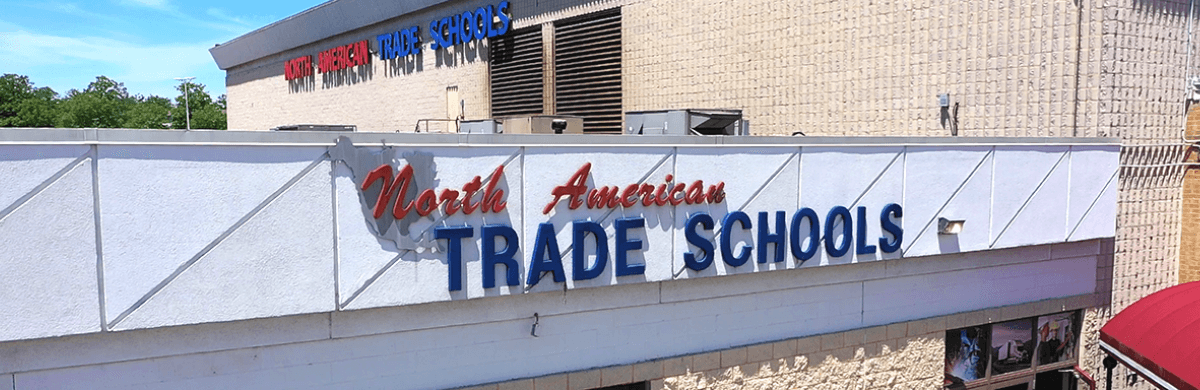
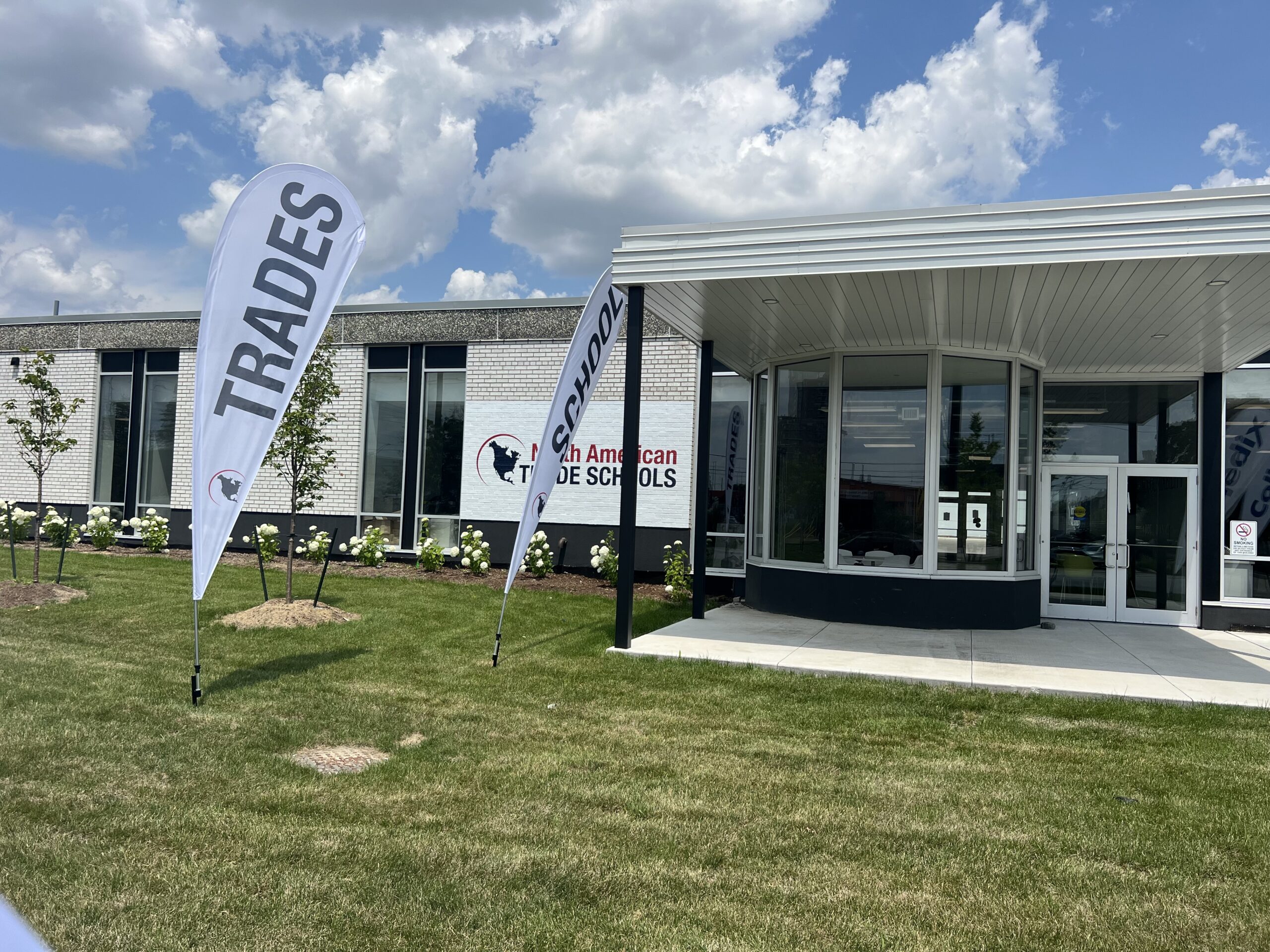
North American Trade Schools
Baltimore, MDprivate forprofitnatradeschools.edu/
Avg net price
$8,597
Earnings (10 yr)
$39,756
Acceptance & SAT from Common Data Set / IPEDS; net price, earnings & graduation from the U.S. Dept. of Education College Scorecard. Figures lag ~1–2 years — verify with the school.
North American Trade Schools (NATS) is a Baltimore institution that operates on a radically different premise than the traditional liberal arts college. Since 1971, it has focused on a single, pragmatic mission: turning out skilled, job-ready tradespeople through intensive, hands-on programs that can be completed in under two years. The culture is all business—emphasizing quality workmanship, proper attitude, and good attendance—and serves a student body that is overwhelmingly local and diverse, drawn by the promise of stable, well-paying careers without the debt or duration of a four-year degree.
More details
- Undergrad enrollment
- 534
- Program Length
- <2 years
- Graduation Rate
- 69%
- Program Examples
- Electrical Tech, Diesel Tech, Commercial Truck Driving
- Student Demographics
- 65% Black/African American, 23% White, 3% Hispanic
- Median Earnings (10yr)
- $39,756
Outcomes & value
Outcomes & value
- Median earnings (10 yr)
- $39,756
- Value (earnings ÷ net price)
- 4.6×
- Median debt at graduation
- $7,338
- Reducing loan balance (3 yr)
- 27%
- Pell (lower-income) share
- 33%
- First-gen share (among federal-aid recipients)
- 56%
Earnings = median of students working ~10 years after entry; debt = median of graduates. Value divides 10-yr earnings by one year’s net price — read it as earnings per dollar of annual cost, not a full lifetime ROI; it favors lower-cost schools. Source: U.S. Dept. of Education College Scorecard. Figures lag ~2 years and reflect all students, not your intended major.
Financial health
3.0 / 3.0Meets the federal financial-responsibility standard
U.S. Dept. of Education Financial Responsibility Composite Score (FY2022-23). Scale −1.0 to 3.0; ≥1.5 meets the standard. Reported for private nonprofit & for-profit institutions only — public universities are state-backed and not scored, so this is a stability signal, not a ranking.
Campus & location
Campus safety
- On-campus violent crimes (2024)
- 0
On-campus criminal offenses classed as violent (murder/non-negligent manslaughter, rape, robbery, aggravated assault) for the most recent reported year. Source: U.S. Dept. of Education Campus Safety and Security (Clery Act). Counts reflect what’s reported to the school, and urban campuses often report more partly due to non-student incidents nearby — read alongside campus size and setting, not as a standalone safety verdict.
Climate
- Pleasant days / yr
- 88
- Summer high
- 84°F
- Winter low
- 30°F
- Annual rain
- 59.6"
- Annual snow
- 14.4"
- Natural-hazard risk
- Relatively Moderate
Pleasant days counts days per year with a mean temperature of 55–75°F, a high at or below 90°F, a low at or above 45°F, and little precipitation — a transparent comfort measure, not a weighting we invented. Computed from Open-Meteo ERA5 daily history (2019–2023). Natural-hazard risk is the county’s composite rating from the FEMA National Risk Index.
Quick answers
- How much does North American Trade Schools cost?
- At North American Trade Schools, the average net price (after aid) is about $8,597 per year. Actual cost varies with financial aid and residency.
- How many undergraduates attend North American Trade Schools?
- North American Trade Schools enrolls approximately 534 undergraduate students.
- Where is North American Trade Schools located?
- North American Trade Schools is located in Baltimore, MD.
Admissions
Forget the anxiety-ridden, hyper-selective admissions process of elite colleges. North American Trade Schools operates on a fundamentally open and accessible model. Multiple sources confirm the school has a 100% , placing it firmly in the category of open-admission institutions. This aligns with the broader philosophy of trade schools, where the primary gatekeeping often happens not at enrollment but during the practical, hands-on training and, ultimately, in securing an apprenticeship or job. The school's own admissions page clarifies that while it 'does not have an open admissions policy,' and 'submitting an application does not guarantee your acceptance,' the published data from external sources consistently shows universal acceptance for those who apply. There is no mention of Early Decision plans, SAT/ACT requirements, or a consideration of 'demonstrated interest'—concepts that are central to the selective college admissions landscape but irrelevant here. The process is straightforward: if you're seeking career training in the trades and meet basic requirements, you're in. The real selection begins in the workshop.
Compare North American Trade Schools
See colleges similar to North American Trade Schools →Sources
- Common Data Set 202
- Common Data Set: Home
- Common Data Set Explorer 2026: Compare 100 Colleges
- IR - Common Data Set
- Common Data Set (2024-25)
- Common Data Set 2023 – 2024
- North American Trade Schools
- North American Trade Schools Acceptance Rate, SAT, GPA & ACT ...
- North American Trade Schools
- North American Trade Schools Admissions - BigFuture
- How does trade school acceptance work? : r/skilledtrades