Admit rate has ranged 63%–76% over the last 5 years — notably volatile. Source: IPEDS via Urban Institute.
Acceptance & SAT from Common Data Set / IPEDS; net price, earnings & graduation from the U.S. Dept. of Education College Scorecard. Figures lag ~1–2 years — verify with the school.
North Greenville University carves out a distinct niche as a Christian liberal arts institution in the foothills of South Carolina, where a biblical worldview explicitly shapes the entire educational and social experience. With a moderately selective admissions process and a student body overwhelmingly drawn from within the state, NGU offers a tight-knit, residential community focused on over 120 areas of study, particularly strong in education and business. The campus culture is defined by its faith-based mission, producing graduates who enter the workforce with a clear sense of purpose, though often at earnings levels that reflect the regional economy and the school's service-oriented majors.
Admission requirements
Test-optional — scores considered if submitted
Required
Grade point average
Considered (not required)
Class rank
Test scores (SAT/ACT)
TOEFL (non-native English)
Source: IPEDS Admissions survey (2022) via Urban Institute. Covers formal factors only — it does not reflect essays, extracurriculars, or other holistic criteria.
More details
Undergrad enrollment
1,819
In-state tuition
$25,800
Out-of-state tuition
$25,800
Graduation Rate
55%
In-State Students
~73%
On-Campus Housing
63% of students
Most Popular Major
Education (25% of grads)
Student-Faculty Ratio
14:1
Median Earnings (10yr)
$43,035
Students Receiving Financial Aid
99%
Outcomes & value
Outcomes & value
Median earnings (10 yr)
$43,035
Value (earnings ÷ net price)
2.0×
Median debt at graduation
$23,082
Graduation rate
55%
First-year retention
72%
Reducing loan balance (3 yr)
61%
Pell (lower-income) share
33%
First-gen share (among federal-aid recipients)
27%
Financial health
2.6 / 3.0Meets the federal financial-responsibility standard
U.S. Dept. of Education Financial Responsibility Composite Score (FY2022-23). Scale −1.0 to 3.0; ≥1.5 meets the standard. Reported for private nonprofit & for-profit institutions only — public universities are state-backed and not scored, so this is a stability signal, not a ranking.
Top-earning majors
Median earnings by field of study (highest credential), ~2 years after completion.
Accounting and Related Services$41,789
Business Administration, Management and Operations$34,908
Teacher Education and Professional Development, Specific Subject Areas$34,348
Teacher Education and Professional Development, Specific Levels and Methods$32,450
History$32,391
Marketing
Campus & location
Campus safety
On-campus violent crimes (2024)
0
Per 1,000 students
0.00
On-campus criminal offenses classed as violent (murder/non-negligent manslaughter, rape, robbery, aggravated assault) for the most recent reported year. Source: U.S. Dept. of Education Campus Safety and Security (Clery Act). Counts reflect what’s reported to the school, and urban campuses often report more partly due to non-student incidents nearby — read alongside campus size and setting, not as a standalone safety verdict.
Climate
Pleasant days / yr
106
Summer high
87°F
Winter low
37°F
Annual rain
51.3"
Annual snow
3"
Natural-hazard risk
Relatively Moderate
Pleasant days counts days per year with a mean temperature of 55–75°F, a high at or below 90°F, a low at or above 45°F, and little precipitation — a transparent comfort measure, not a weighting we invented. Computed from Open-Meteo ERA5 daily history (2019–2023). Natural-hazard risk is the county’s composite rating from the FEMA National Risk Index.
Deep dive — research, future-scholar output & economic mobility▾
Research output
Institutional h-index
19
Scholarly works
149
Institutional research volume and impact from OpenAlex. The h-index reflects large research universities and will be low for teaching-focused liberal-arts colleges — not a measure of undergraduate quality.
Economic mobility
Mobility rate
1.1%
Bottom → top quintile
17%
From bottom quintile
7%
Mobility rate = the share of students who both start in the bottom household-income quintile and reach the top quintile; bottom → top is that chance conditional on starting at the bottom. Source: Opportunity Insights Mobility Report Cards (Chetty, Friedman, Saez, Turner & Yagan). Reflects 1980–82 birth cohorts, so it’s directional, not current.
Quick answers
What is the acceptance rate at North Greenville University?
North Greenville University's acceptance rate is approximately 67% (Tigerville, SC), based on the most recent figures we compiled from public and primary sources.
What SAT score do you need for North Greenville University?
Admitted students at North Greenville University typically score 1060–1240 on the SAT (the middle-50% range). Scores outside this band are still admitted, especially with strong applications.
How much does North Greenville University cost?
At North Greenville University, the average net price (after aid) is about $21,063 per year. Actual cost varies with financial aid and residency.
How many undergraduates attend North Greenville University?
North Greenville University enrolls approximately 1,819 undergraduate students.
Where is North Greenville University located?
North Greenville University is located in Tigerville, SC.
Admissions
North Greenville University operates with a moderately selective admissions process, admitting a clear majority of its applicants. The university's published is 67%, with sources citing figures between 66.7% and 67% from an applicant pool of 2,631 students. For the admitted class, the middle 50% SAT score range is 1060–1240, and the middle 50% ACT Composite range is 21–29. Academic preparation is a key factor, with 60% of admitted students presenting a high school GPA of 3.75 or higher. The university's rate—the percentage of admitted students who enroll—is reported to be around 32.27%, though other sources suggest figures closer to 20-23%. Demographically, the student body is heavily regional: nearly 73% of undergraduates hail from South Carolina, with about 26% from out of state and a small international contingent. The admissions office encourages the use of its calculator for financial planning, and while specific policies on Early Decision or the consideration of demonstrated interest are not detailed in the provided sources, the overall process is accessible for students who meet the academic profile.
Earnings = median of students working ~10 years after entry; debt = median of graduates. Value divides 10-yr earnings by one year’s net price — read it as earnings per dollar of annual cost, not a full lifetime ROI; it favors lower-cost schools. Source: U.S. Dept. of Education College Scorecard. Figures lag ~2 years and reflect all students, not your intended major.
$30,988
Bible/Biblical Studies$29,685
Missions/Missionary Studies and Missiology$26,896
Source: U.S. Dept. of Education College Scorecard (field-of-study earnings). Figures cover graduates who received federal aid and lag ~2 years; not all programs report data.
NGU structures its academic offerings around a Christian liberal arts core, providing a broad undergraduate education with a specific faith-based perspective. The university boasts over 120 areas of study across its undergraduate and graduate programs, supported by a 14:1 student-to-faculty ratio. This breadth allows for exploration, but the curriculum has clear centers of gravity. The most popular majors are distinctly career-oriented and service-focused: Education leads the pack, accounting for 25% of 2024 graduates, followed by Business, Management, Marketing, and Related Support Services at 20%, and Liberal Arts and Sciences, General Studies, and Humanities at 15%. The program search tool organizes majors into categories like Business, Communication Arts, Education, Fine Arts, and Health & Medical, indicating where institutional resources are concentrated. Academic policies maintain a baseline standard, requiring a minimum 2.0 GPA each term for students pursuing a second bachelor's degree to remain in good standing. The academic experience is framed by the university's mission to develop 'transformational leaders,' suggesting an integration of professional preparation with ethical and spiritual formation.
Life at North Greenville is intentionally crafted around its Christian identity, creating a campus environment that diverges sharply from the stereotypical public university experience. The university fosters a highly residential community, with 63% of students living in college-owned, -operated, or -affiliated housing. This on-campus density supports the close-knit, communal vibe the university promotes. Student life is actively managed through departments like Residence Life, Student Activities, and Campus Recreation, which organize events and programming under the 'Trailblazers' moniker. Arts and culture have a designated place, with the campus hosting performances, exhibitions, and showcases featuring student, faculty, and guest artists. However, the social scene is explicitly shaped by the institution's values. As noted by external observers, NGU's student life is 'characterized by a lack of traditional college partying and nightlife due to its Christian values and regulations.' This creates a specific niche: a vibrant, activity-filled campus life that operates within a defined moral framework. The university's self-description as a community of 'innovators' and 'culture-shapers' points to an aspirational, purpose-driven campus culture where everyday interactions are meant to be elevating.
Graduate outcomes at North Greenville reflect its regional focus and the earning profiles of its most popular majors, such as education and liberal arts. The university's six-year graduation rate is 55%. For alumni entering the workforce, earnings data shows progression over time. The median earnings one year after graduation are reported at approximately $36,427. This figure grows in the years that follow; median earnings six years after entry are reported at $38,173, and the median earnings ten years after entry is $43,035. Some analyses contextualize this by noting that early-career earnings for NGU graduates are about $6,000 below national expectations for college graduates. These outcomes underscore a reality for many faith-based, teaching-oriented institutions: they successfully graduate students into fields of service and leadership, as per their mission, but those fields often do not command the highest starting salaries. The data paints a picture of graduates who are employed and building their careers, typically within the regional economy of the Southeast.
Affordability is a central part of North Greenville's pitch to students, with financial aid participation nearly universal across the undergraduate population. The university reports that 99% of its students receive some type of financial aid. The average annual —the cost after grants and scholarships are applied—is $21,063. This aid is crucial given the published annual , which includes $26,820 for tuition and fees and $12,280 for room and board, totaling $45,670. The average financial aid package is reported to be $19,072. is available through NGU Grants, awarded based on FAFSA-determined financial need, with amounts that can vary. A significant portion of the student body demonstrates substantial need, with 32% of undergraduates receiving federal Pell Grants. The university offers federal loans, including unsubsidized loans not based on financial need, and notes an annual borrowing limit of $20,000 per student from all Parent PLUS Loans. The financial aid office strongly encourages families to use the university's net price calculator to get a personalized estimate, emphasizing a proactive approach to managing college costs.
North Greenville University stands out not by competing with major national research universities, but by fully committing to a specific, values-saturated educational model. Its distinctiveness is threefold. First, it is unapologetically a faith-first community. The biblical worldview isn't a sidebar or a club option; it's the declared foundation for academics, student life, and leadership development, creating a cohesive environment for students seeking that integration. Second, it serves a sharply defined regional population. With nearly three-quarters of its students coming from South Carolina, NGU functions as a home-state anchor, providing accessible Christian higher education and fostering deep local networks. Third, it has clear academic lanes of excellence. The heavy concentration of graduates in education and business isn't an accident; it reflects intentional program strength and a mission to produce teachers, managers, and community leaders who carry their faith into professional spheres. For a student looking for a supportive, residential college experience within a conservative Christian framework, and who plans to build a career in the Southeast, NGU offers a tailored and coherent path. It's a university that knows exactly who it is for.
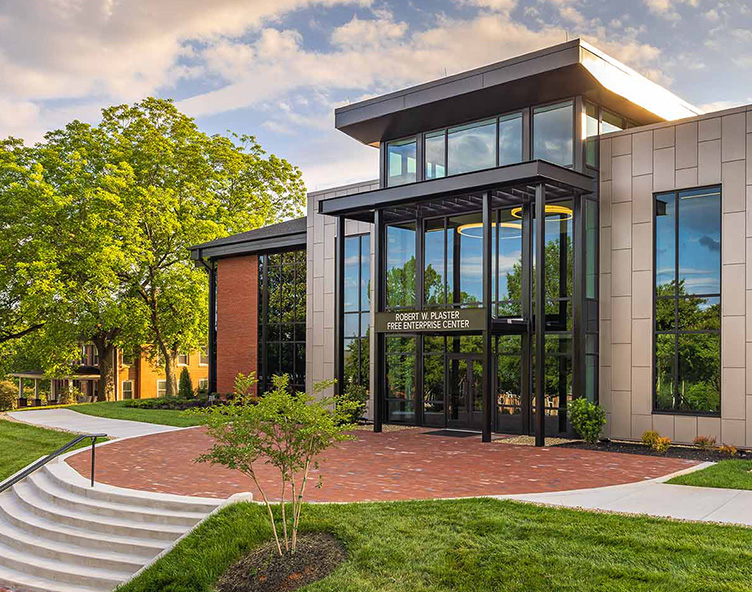
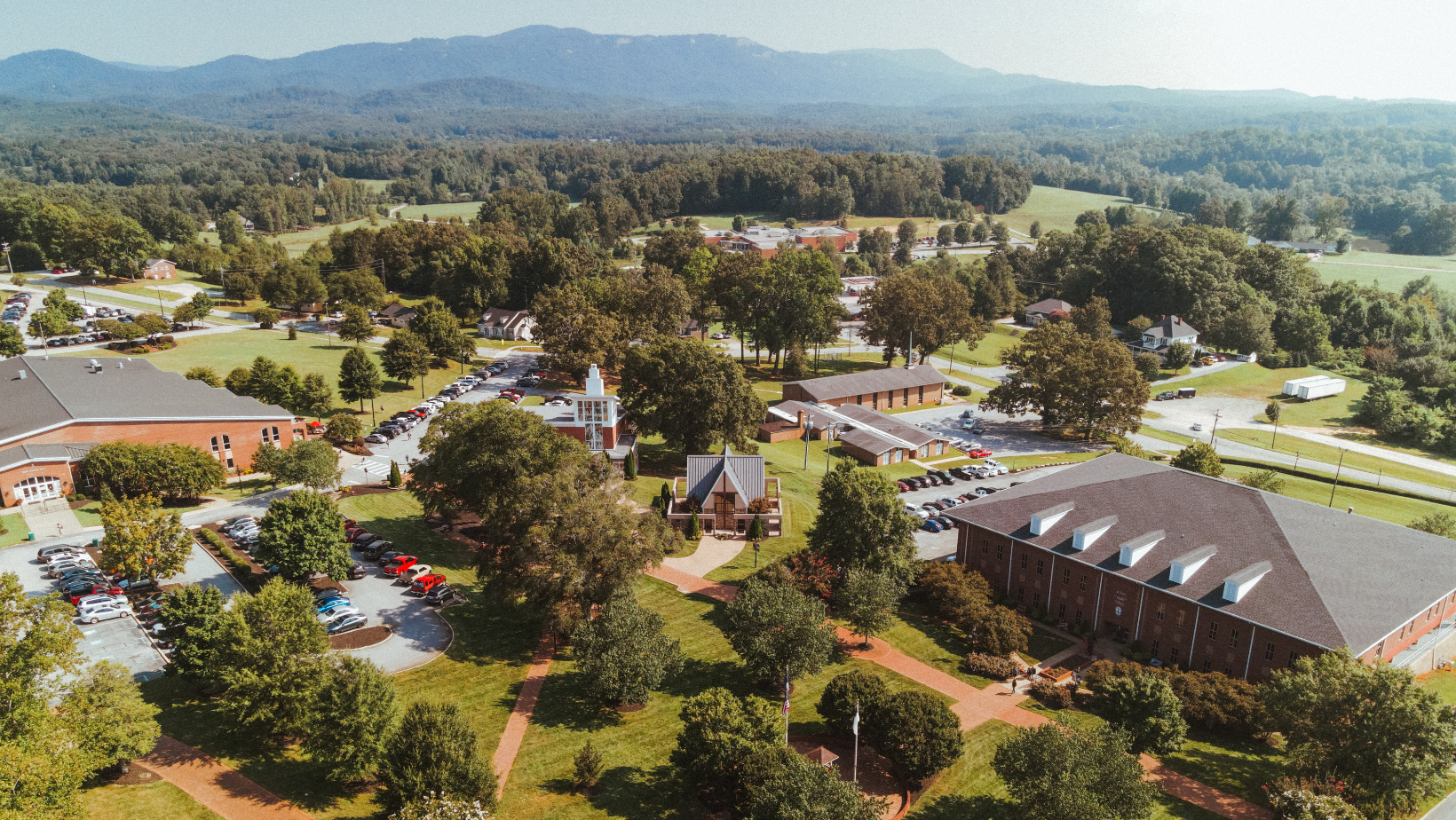
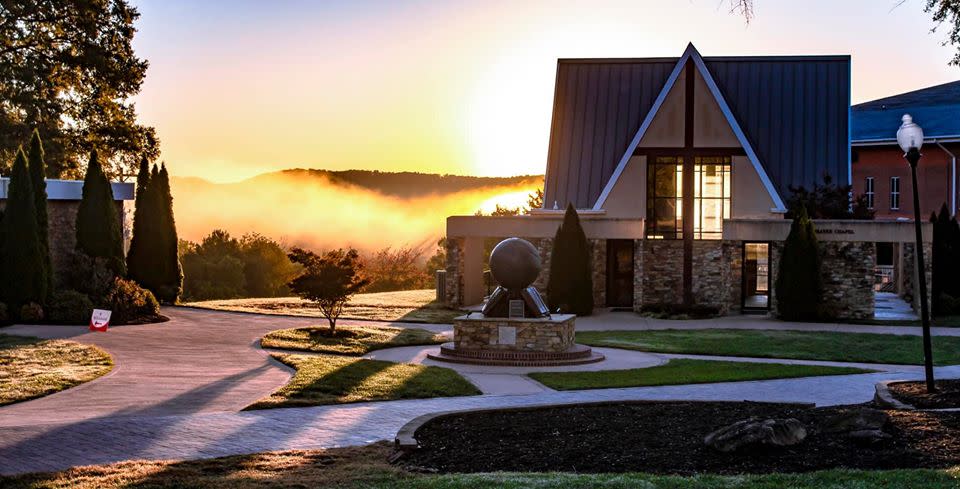
North Greenville University seal · sourcePlan Your Visit to NGU • North Greenville University · sourceNorth Greenville University | Tigerville SC · sourceNorth Greenville University · source