Loading…
← All schools
Northern Career Institute
Eastlake, OHpublicncioh.edu/
Avg net price
$12,759
Earnings (10 yr)
$49,073
Acceptance & SAT from Common Data Set / IPEDS; net price, earnings & graduation from the U.S. Dept. of Education College Scorecard. Figures lag ~1–2 years — verify with the school.
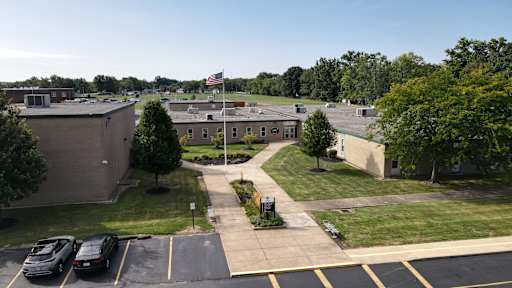
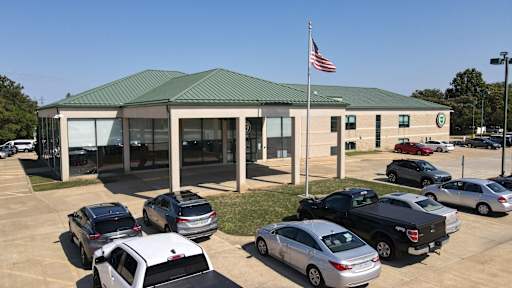
Northern Career Institute is a hyper-focused, public career college in Eastlake, Ohio, that operates more like a direct pipeline to the workforce than a traditional liberal arts campus. Formerly the Willoughby-Eastlake School of Practical Nursing, its identity is rooted in hands-on, vocational training where the classroom is a workshop and the goal is a specific, in-demand credential. With a tiny, predominantly female student body and a 100% acceptance rate, it’s a place for decisive adults seeking a fast, affordable track into fields like nursing, welding, and cosmetology.
More details
- Undergrad enrollment
- 150
- In-state tuition
- $16,250
- Out-of-state tuition
- $16,250
- Institution Type
- Public, less than 2-year
- Most Popular Major
- Health Professions
- Median Earnings (10yr)
- $49,073
- Student Gender Distribution
- 6% Male, 94% Female
Outcomes & value
Outcomes & value
- Median earnings (10 yr)
- $49,073
- Value (earnings ÷ net price)
- 3.8×
- Median debt at graduation
- $9,500
- Reducing loan balance (3 yr)
- 32%
- Pell (lower-income) share
- 81%
- First-gen share (among federal-aid recipients)
- 54%
Earnings = median of students working ~10 years after entry; debt = median of graduates. Value divides 10-yr earnings by one year’s net price — read it as earnings per dollar of annual cost, not a full lifetime ROI; it favors lower-cost schools. Source: U.S. Dept. of Education College Scorecard. Figures lag ~2 years and reflect all students, not your intended major.
Campus & location
Campus safety
- On-campus violent crimes (2024)
- 0
On-campus criminal offenses classed as violent (murder/non-negligent manslaughter, rape, robbery, aggravated assault) for the most recent reported year. Source: U.S. Dept. of Education Campus Safety and Security (Clery Act). Counts reflect what’s reported to the school, and urban campuses often report more partly due to non-student incidents nearby — read alongside campus size and setting, not as a standalone safety verdict.
Climate
- Pleasant days / yr
- 103
- Summer high
- 77°F
- Winter low
- 28°F
- Annual rain
- 37.7"
- Annual snow
- 40.3"
- Natural-hazard risk
- Relatively Low
Pleasant days counts days per year with a mean temperature of 55–75°F, a high at or below 90°F, a low at or above 45°F, and little precipitation — a transparent comfort measure, not a weighting we invented. Computed from Open-Meteo ERA5 daily history (2019–2023). Natural-hazard risk is the county’s composite rating from the FEMA National Risk Index.
Quick answers
- How much does Northern Career Institute cost?
- At Northern Career Institute, the average net price (after aid) is about $12,759 per year. Actual cost varies with financial aid and residency.
- How many undergraduates attend Northern Career Institute?
- Northern Career Institute enrolls approximately 150 undergraduate students.
- Where is Northern Career Institute located?
- Northern Career Institute is located in Eastlake, OH.
Admissions
Admissions at Northern Career Institute is a straightforward, non-selective process focused on capacity and program timing rather than competitive selection. The school reports a 100% acceptance rate, indicating it admits all applicants who meet basic requirements and apply while seats are available. The process is highly pragmatic; for its flagship Licensed Practical Nurse program, admissions effectively operate on a first-come, first-served basis until cohorts are full, as evidenced by notices that "All seats for the Fall 2026 LPN programs are now filled."
The student body is exceptionally small, with a total enrollment of 140 students, and is overwhelmingly female, with a gender breakdown of 6% male and 94% female. There is no indication that the school employs an Early Decision or Early Action plan, nor is there evidence that standardized test scores (SAT/ACT) are a factor in admissions. The admissions office can be reached by phone at 970-521-6600 or by fax at 970-521-6715. While sources discuss the as a standard for reporting, no specific NCI Common Data Set document is provided among the sources to detail the relative importance of factors like GPA, class rank, or essays.
Compare Northern Career Institute
vs University of Minnesota-Morrisvs Dickinson State Universityvs Chicago State Universityvs Minot State University
See colleges similar to Northern Career Institute →Sources
- IR - Common Data Set
- Common Data Set Repository
- CDS-2024-2025-TEMPLATE.pdf
- Northern Career Institute Tuition, Acceptance Rate, & Academics
- Common Data Set | Institutional Effectiveness
- What are the common data points for each college?
- Admissions - Licensed Practical Nurse
- Northern Career Institute
- Northern Career Institute - BigFuture College Search
- Northern Career Institute Acceptance Rate, SAT, GPA & ...