Loading…
← All schools
Northern Pennsylvania Regional College
Warren, PApublicregionalcollegepa.org
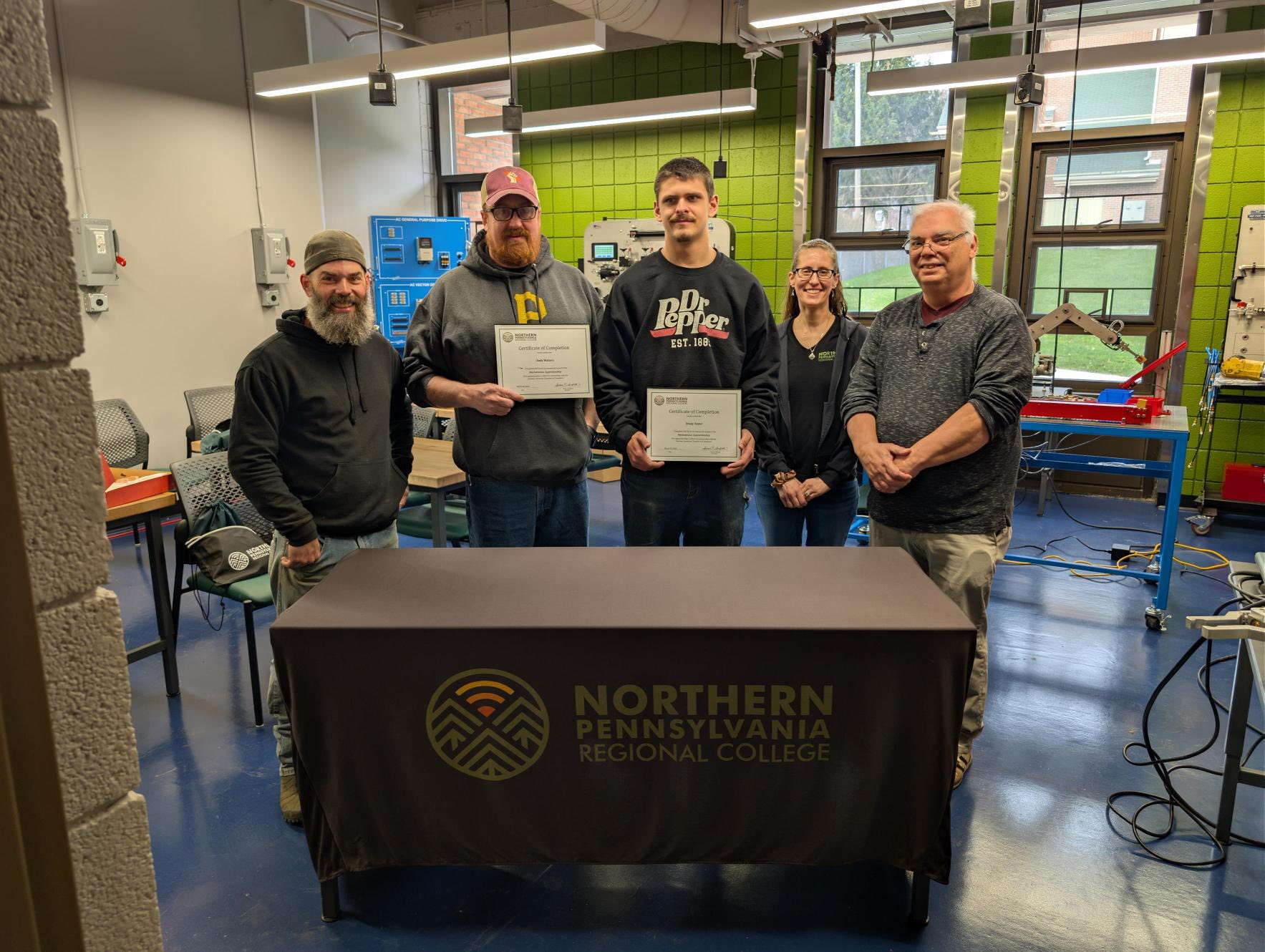
Northern Pennsylvania Regional College (NPRC) is a purpose-built, no-frills institution designed for one thing: to provide a low-cost, high-access on-ramp to higher education and workforce training for residents of its rural northern Pennsylvania service area. It operates without a traditional campus, meeting students 'where they are' through a distributed network of instructional sites and online courses. This is a college of pragmatism over prestige, where open admission, stark affordability, and direct ties to local industry define the experience.
More details
- Undergrad enrollment
- 75
- In-state tuition
- $4,440
- Out-of-state tuition
- $8,880
- Graduation Rate (Niche)
- 38%
- Average Total Aid Awarded
- $2,258
- First-Year Retention Rate
- 62%
- Median Earnings (1yr after)
- $36,427
- Median Earnings (5yr after)
- $45,519
- % Students Receiving Grant Aid
- 75%
Outcomes & value
Outcomes & value
- Pell (lower-income) share
- —
Earnings = median of students working ~10 years after entry; debt = median of graduates. Value divides 10-yr earnings by one year’s net price — read it as earnings per dollar of annual cost, not a full lifetime ROI; it favors lower-cost schools. Source: U.S. Dept. of Education College Scorecard. Figures lag ~2 years and reflect all students, not your intended major.
Campus & location
Climate
- Pleasant days / yr
- 101
- Summer high
- 78°F
- Winter low
- 23°F
- Annual rain
- 38.1"
- Annual snow
- 49.4"
- Natural-hazard risk
- Relatively Low
Pleasant days counts days per year with a mean temperature of 55–75°F, a high at or below 90°F, a low at or above 45°F, and little precipitation — a transparent comfort measure, not a weighting we invented. Computed from Open-Meteo ERA5 daily history (2019–2023). Natural-hazard risk is the county’s composite rating from the FEMA National Risk Index.
Quick answers
- How many undergraduates attend Northern Pennsylvania Regional College?
- Northern Pennsylvania Regional College enrolls approximately 75 undergraduate students.
- Where is Northern Pennsylvania Regional College located?
- Northern Pennsylvania Regional College is located in Warren, PA.
Admissions
NPRC's admissions philosophy is defined by its open admission policy. The college reports a 100% , reflecting its foundational mission to remove barriers to entry. The institution does not require standardized test scores (SAT/ACT) for admission, operating a policy. With a total enrollment of 136 students (23 full-time, 113 part-time), the process is designed to be straightforward and accessible, prioritizing residency within the college's northern Pennsylvania service area over academic selectivity. There is no indication of an Early Decision program or that demonstrated interest is a factor in admissions decisions.
Academics
Academic life at NPRC is strictly career-focused and utilitarian. The college is a offering . Its model is unique: it operates without a central residential campus, instead delivering education through a network of community-based instructional sites and online platforms to 'meet students where they are.' Programs are designed to be affordable and accessible, with a clear link to local industry needs and employment opportunities. The academic structure supports both traditional degree-seeking students and those looking for specific skills training, embodying a hybrid of community college and vocational-technical institute.
Compare Northern Pennsylvania Regional College
vs Maine Maritime Academyvs United States Merchant Marine Academyvs United States Coast Guard Academyvs SUNY Maritime College
See colleges similar to Northern Pennsylvania Regional College →Sources
- Common Data Set | Office of Planning, Assessment, and Institutional ...
- Common Data Set (CDS) Penn - Institutional Research & Analysis
- Pennsylvania State University 2026 Common Data Set: Visualized
- Common Data Set Repository
- Common Data Set: Home
- Northern Pennsylvania Regional College - DFR Report HTML
- Northern Pennsylvania Regional College
- Northern Pennsylvania Regional College SAT Scores, ACT ...
- Admissions | Associate's Degrees and Workforce Programs
- Northern Pennsylvania Regional College Applications & Admissions ...