Loading…
← All schools
Northern Tier Career Center
Towanda, PApublicntccschool.org
Acceptance
75%
Avg net price
$14,960
Earnings (10 yr)
$38,737
Admit rate has ranged 63%–93% over the last 5 years — notably volatile. Source: IPEDS via Urban Institute.
Acceptance & SAT from Common Data Set / IPEDS; net price, earnings & graduation from the U.S. Dept. of Education College Scorecard. Figures lag ~1–2 years — verify with the school.
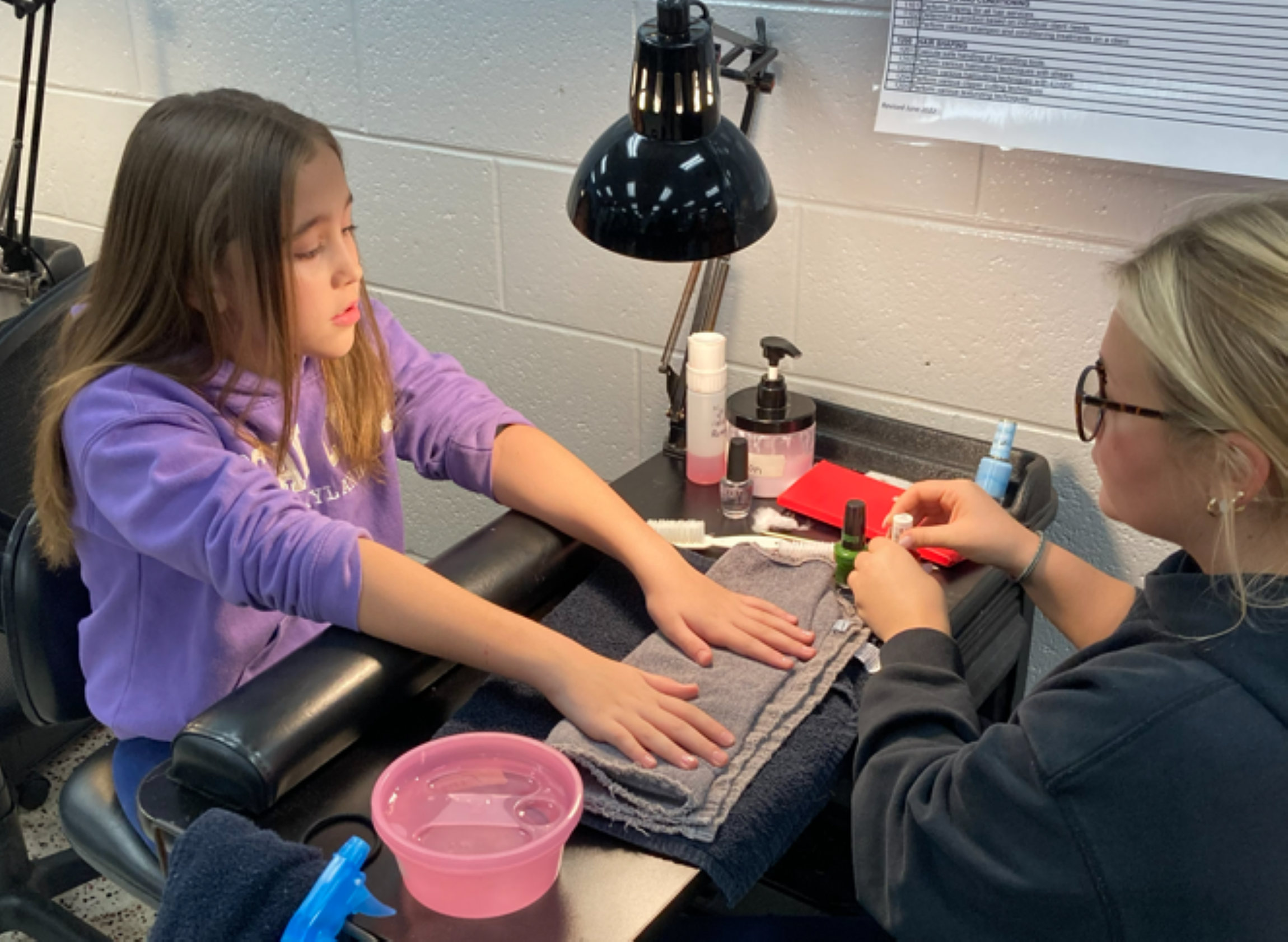
Northern Tier Career Center is not a traditional university but a public career and technical education center in rural Towanda, Pennsylvania, serving high school students and adults with a laser focus on skilled trades. Its identity is defined by hands-on, competency-based programs in fields like automotive repair, diesel mechanics, and building construction, where success is measured by a graduate's ability to land a job and earn a living wage, not by academic prestige. This is a school for those who know exactly what they want to do with their hands and are ready to start doing it.
Admission requirements
Test-blind — scores not considered
Required
- High school transcript
Considered (not required)
- Grade point average
- Letters of recommendation
Source: IPEDS Admissions survey (2022) via Urban Institute. Covers formal factors only — it does not reflect essays, extracurriculars, or other holistic criteria.
More details
- Undergrad enrollment
- 50
- Key Programs
- Automotive, Diesel, Construction, HVAC
- Total Students
- 13
- Graduation Rate
- 64.71%
- Median Earnings (10yr)
- $38,737
- Student-to-Teacher Ratio
- 0.87
Outcomes & value
Outcomes & value
- Median earnings (10 yr)
- $38,737
- Value (earnings ÷ net price)
- 2.6×
- Median debt at graduation
- $14,750
- Reducing loan balance (3 yr)
- 53%
- Pell (lower-income) share
- 33%
Earnings = median of students working ~10 years after entry; debt = median of graduates. Value divides 10-yr earnings by one year’s net price — read it as earnings per dollar of annual cost, not a full lifetime ROI; it favors lower-cost schools. Source: U.S. Dept. of Education College Scorecard. Figures lag ~2 years and reflect all students, not your intended major.
Campus & location
Campus safety
- On-campus violent crimes (2024)
- 0
On-campus criminal offenses classed as violent (murder/non-negligent manslaughter, rape, robbery, aggravated assault) for the most recent reported year. Source: U.S. Dept. of Education Campus Safety and Security (Clery Act). Counts reflect what’s reported to the school, and urban campuses often report more partly due to non-student incidents nearby — read alongside campus size and setting, not as a standalone safety verdict.
Climate
- Pleasant days / yr
- 94
- Summer high
- 80°F
- Winter low
- 22°F
- Annual rain
- 42.7"
- Annual snow
- 36.9"
- Natural-hazard risk
- Relatively Low
Pleasant days counts days per year with a mean temperature of 55–75°F, a high at or below 90°F, a low at or above 45°F, and little precipitation — a transparent comfort measure, not a weighting we invented. Computed from Open-Meteo ERA5 daily history (2019–2023). Natural-hazard risk is the county’s composite rating from the FEMA National Risk Index.
Quick answers
- What is the acceptance rate at Northern Tier Career Center?
- Northern Tier Career Center's acceptance rate is approximately 75% (Towanda, PA), based on the most recent figures we compiled from public and primary sources.
- How much does Northern Tier Career Center cost?
- At Northern Tier Career Center, the average net price (after aid) is about $14,960 per year. Actual cost varies with financial aid and residency.
- How many undergraduates attend Northern Tier Career Center?
- Northern Tier Career Center enrolls approximately 50 undergraduate students.
- Where is Northern Tier Career Center located?
- Northern Tier Career Center is located in Towanda, PA.
Admissions
Admissions at Northern Tier Career Center operate on a different logic than a four-year college. The process is geared toward high school students from participating districts and adults seeking specific trade skills, with a focus on readiness for hands-on work rather than standardized test scores. The institution reports an of 75%, indicating a moderately selective process where most applicants who meet the basic requirements are admitted. Notably, the school does not require SAT or ACT scores for admission, aligning with its practical, skill-based mission. For high school seniors, the center offers Cooperative Education and Diversified Occupations programs, allowing them to earn school credit for work experience, which suggests the admissions process may consider a student's employability and career focus. The school's total student population is small, reported at 13 students in one source, which underscores its intimate, focused environment.
Academics
The academic model here is pure, unadulterated career preparation. The curriculum is a focused set of programs designed for students who have a clear vocational target. Coursework is built around mastering competencies in a specific trade, not fulfilling general education requirements. The program list is a roll call of essential skilled trades: Automotive Mechanics Technology, Diesel Mechanics Technology, Auto Body/Collision Repair Technology, Building Construction Trades, and HVAC. Success in these programs is tied to demonstrated skill acquisition, with indicators like GPA, test scores, and math and reading levels being necessary for completing program competencies. The student-to-teacher ratio is exceptionally low—reported as low as 0.87 in one source—which translates to highly individualized, hands-on instruction. This is not a place for theoretical exploration; it's a workshop where academic success is defined by a student's ability to diagnose an engine, frame a wall, or weld a seam.
Compare Northern Tier Career Center
vs Lincoln Universityvs SUNY College at Potsdamvs Thaddeus Stevens College of Technologyvs SUNY at Purchase College
See colleges similar to Northern Tier Career Center →Sources
- COOPERATIVE EDUCATION/DIVERSIFIED OCCUPATIONS
- Northern Tier Career Center | Data USA
- Northern Tier Career Center - Sallie
- Common Data Set: Home
- Northern Tier Career Center | College Scorecard
- [PDF] Common Data Set 2022-2023 - ArtCenter College of Design
- Northern Tier Career Center - Niche
- Northern Tier Career Center
- Northern Tier Career Center | My Future
- Search for Public Schools - Northern Tier Career Center ...
- PARTICIPATING SCHOOL DISTRICTS - Northern Tier Career Center