Loading…
← All schools
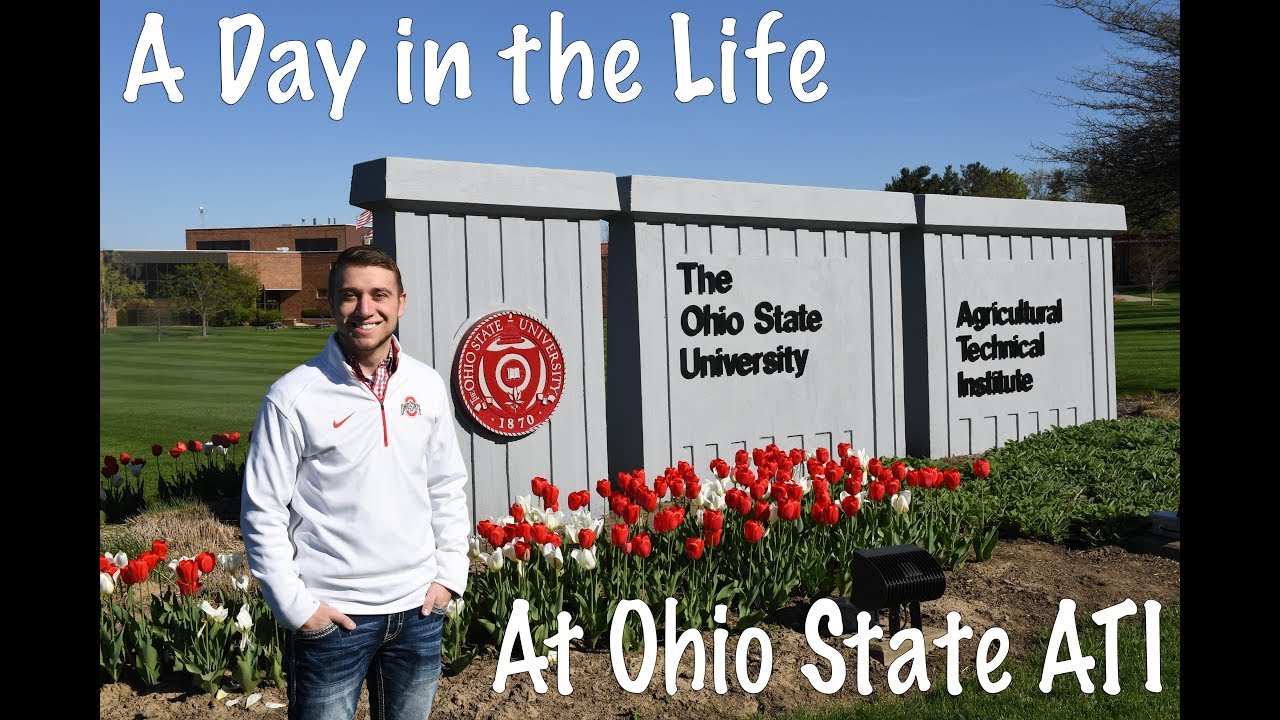
Ohio State University Agricultural Technical Institute
Wooster, OHpublicati.osu.edu/
Avg net price
$17,809
Earnings (10 yr)
$60,409
Acceptance & SAT from Common Data Set / IPEDS; net price, earnings & graduation from the U.S. Dept. of Education College Scorecard. Figures lag ~1–2 years — verify with the school.
Ohio State University Agricultural Technical Institute (Ohio State ATI) is not your typical college—it’s a hyper-focused, hands-on satellite campus where the classroom is often a barn, a greenhouse, or a business simulation. With an enrollment of about 500 students, it offers a tight-knit, immersive experience in agriculture, business, and leadership, designed for students who want to get their hands dirty and their careers started fast. It’s a place where practical skills meet the power of the Ohio State network, producing graduates who are immediately ready for the workforce.
More details
- Undergrad enrollment
- 464
- In-state tuition
- $9,584
- Out-of-state tuition
- $36,362
- Graduation Rate
- 45.1% (6-year)
- Programs of Study
- 21-24
- Median Earnings (10yr)
- $60,409
- Student-to-Faculty Ratio
- 14:1
Outcomes & value
Outcomes & value
- Median earnings (10 yr)
- $60,409
- Value (earnings ÷ net price)
- 3.4×
- Median debt at graduation
- $19,976
- Reducing loan balance (3 yr)
- 63%
- Pell (lower-income) share
- 27%
- First-gen share (among federal-aid recipients)
- 26%
Earnings = median of students working ~10 years after entry; debt = median of graduates. Value divides 10-yr earnings by one year’s net price — read it as earnings per dollar of annual cost, not a full lifetime ROI; it favors lower-cost schools. Source: U.S. Dept. of Education College Scorecard. Figures lag ~2 years and reflect all students, not your intended major.
Campus & location
Campus safety
- On-campus violent crimes (2024)
- 4
On-campus criminal offenses classed as violent (murder/non-negligent manslaughter, rape, robbery, aggravated assault) for the most recent reported year. Source: U.S. Dept. of Education Campus Safety and Security (Clery Act). Counts reflect what’s reported to the school, and urban campuses often report more partly due to non-student incidents nearby — read alongside campus size and setting, not as a standalone safety verdict.
Climate
- Pleasant days / yr
- 98
- Summer high
- 81°F
- Winter low
- 26°F
- Annual rain
- 33.9"
- Annual snow
- 24.8"
- Natural-hazard risk
- Relatively Low
Pleasant days counts days per year with a mean temperature of 55–75°F, a high at or below 90°F, a low at or above 45°F, and little precipitation — a transparent comfort measure, not a weighting we invented. Computed from Open-Meteo ERA5 daily history (2019–2023). Natural-hazard risk is the county’s composite rating from the FEMA National Risk Index.
Quick answers
- How much does Ohio State University Agricultural Technical Institute cost?
- At Ohio State University Agricultural Technical Institute, the average net price (after aid) is about $17,809 per year. Actual cost varies with financial aid and residency.
- How many undergraduates attend Ohio State University Agricultural Technical Institute?
- Ohio State University Agricultural Technical Institute enrolls approximately 464 undergraduate students.
- Where is Ohio State University Agricultural Technical Institute located?
- Ohio State University Agricultural Technical Institute is located in Wooster, OH.
Admissions
Admissions at Ohio State ATI are notably more accessible than at the flagship Columbus campus, reflecting its mission as a specialized, career-focused institute. While specific for ATI are not widely published in the provided sources, one source notes that 620 students applied, 616 were accepted, and 493 enrolled, suggesting an acceptance rate near 99%. This stands in stark contrast to the main Ohio State University campus, which reported an acceptance rate of 61% and an early acceptance rate of 66.6% for a recent cycle. The Columbus campus does not have minimum GPA or standardized test score requirements for admission, though admitted students typically present strong academic records. The institute appears to operate with a high-, high-acceptance model, prioritizing access to its specialized technical programs.
Academics
The academic experience at Ohio State ATI is defined by its laser focus on applied, career-ready education in agriculture and related fields. Students can choose from 21 to 24 different programs of study, earning associate degrees and certificates. Popular majors include Agribusiness, Agricultural Communication, Agricultural Systems Management, Agriscience Education, and Community Leadership. The curriculum is built around hands-on learning, a point emphasized across campus life and social media. The student-to-faculty ratio is a favorable 14:1, allowing for more direct mentorship and practical instruction than at a large research university. The institute is part of Ohio State's College of Food, Agricultural, and Environmental Sciences (CFAES), which prepares graduates to teach agricultural science or enter agribusiness careers. Career preparation and job placement are cited as significant strengths, supported by a strong alumni network and regular industry-hosted events.
Compare Ohio State University Agricultural Technical Institute
vs Dickinson State Universityvs University of Minnesota-Morrisvs United States Coast Guard Academyvs Oregon State University-Cascades Campus
See colleges similar to Ohio State University Agricultural Technical Institute →Sources
- Common Data Set 202
- 2023-2024 Common Data Set Template
- Common Data Set Explorer 2026: Compare 100 Colleges
- CDS_2019-2020_Columbus.pdf - Institutional Research and Planning
- Common Data Set: Home
- Institutional Data and Reports | The Ohio State University
- Who gets in - Columbus campus first-years - The Ohio State University
- The Ohio State University Admissions - US News Best Colleges
- The Ohio State University Agricultural Technical Institute
- Ohio State University Agricultural Technical Institute Admissions