Admit rate has ranged 51%–74% over the last 5 years — notably volatile. Source: IPEDS via Urban Institute.
Acceptance & SAT from Common Data Set / IPEDS; net price, earnings & graduation from the U.S. Dept. of Education College Scorecard. Figures lag ~1–2 years — verify with the school.
Ohio Wesleyan University is a small, residential liberal arts college in central Ohio that prides itself on a classic, hands-on undergraduate experience. It's a place where students can chase a passion for zoology, business, or psychology within a tight-knit, on-campus community, supported by a straightforward admissions process and generous merit aid. While its graduation rates and post-graduate earnings are modest for the sector, OWU offers a clear value proposition: a traditional liberal arts education with a practical bent, where nearly everyone gets a scholarship and most students live and learn together on a single, walkable campus.
Admission requirements
Test-optional — scores considered if submitted
Required
High school transcript
Grade point average
Letters of recommendation
College-prep program
TOEFL (non-native English)
Considered (not required)
Class rank
Test scores (SAT/ACT)
Source: IPEDS Admissions survey (2022) via Urban Institute. Covers formal factors only — it does not reflect essays, extracurriculars, or other holistic criteria.
More details
Undergrad enrollment
1,516
In-state tuition
$53,888
Out-of-state tuition
$53,888
Graduation Rate
59%
On-Campus Living
Most students live on campus
Most Popular Major
Zoology/Animal Biology
Demonstrated Interest
Not considered
Student Organizations
Nearly 100 clubs and groups
Median Earnings (10yr)
$55,624
Early Action Notification
By Dec. 15 (Dec. 1 deadline)
Enter with College Credits
54.6%
Top 10% of High School Class
Outcomes & value
Outcomes & value
Median earnings (10 yr)
$55,624
Value (earnings ÷ net price)
2.7×
Median debt at graduation
$27,000
Graduation rate
59%
First-year retention
85%
Reducing loan balance (3 yr)
77%
Pell (lower-income) share
28%
First-gen share (among federal-aid recipients)
22%
Financial health
3.0 / 3.0Meets the federal financial-responsibility standard
U.S. Dept. of Education Financial Responsibility Composite Score (FY2022-23). Scale −1.0 to 3.0; ≥1.5 meets the standard. Reported for private nonprofit & for-profit institutions only — public universities are state-backed and not scored, so this is a stability signal, not a ranking.
Top-earning majors
Median earnings by field of study (highest credential), ~2 years after completion.
Accounting and Related Services$51,273
Business/Managerial Economics$43,798
Sports, Kinesiology, and Physical Education/Fitness$31,848
Political Science and Government$30,409
Psychology, General$26,585
Fine and Studio Arts$23,649
Campus & location
Campus safety
On-campus violent crimes (2024)
2
On-campus criminal offenses classed as violent (murder/non-negligent manslaughter, rape, robbery, aggravated assault) for the most recent reported year. Source: U.S. Dept. of Education Campus Safety and Security (Clery Act). Counts reflect what’s reported to the school, and urban campuses often report more partly due to non-student incidents nearby — read alongside campus size and setting, not as a standalone safety verdict.
Climate
Pleasant days / yr
91
Summer high
81°F
Winter low
26°F
Annual rain
42.6"
Annual snow
22"
Natural-hazard risk
Relatively Low
Pleasant days counts days per year with a mean temperature of 55–75°F, a high at or below 90°F, a low at or above 45°F, and little precipitation — a transparent comfort measure, not a weighting we invented. Computed from Open-Meteo ERA5 daily history (2019–2023). Natural-hazard risk is the county’s composite rating from the FEMA National Risk Index.
Deep dive — research, future-scholar output & economic mobility▾
Research output
Institutional h-index
105
Scholarly works
2,611
Institutional research volume and impact from OpenAlex. The h-index reflects large research universities and will be low for teaching-focused liberal-arts colleges — not a measure of undergraduate quality.
Economic mobility
Mobility rate
1.7%
Bottom → top quintile
41%
From bottom quintile
4%
Mobility rate = the share of students who both start in the bottom household-income quintile and reach the top quintile; bottom → top is that chance conditional on starting at the bottom. Source: Opportunity Insights Mobility Report Cards (Chetty, Friedman, Saez, Turner & Yagan). Reflects 1980–82 birth cohorts, so it’s directional, not current.
Quick answers
What is the acceptance rate at Ohio Wesleyan University?
Ohio Wesleyan University's acceptance rate is approximately 56% (Delaware, OH), based on the most recent figures we compiled from public and primary sources.
How much does Ohio Wesleyan University cost?
At Ohio Wesleyan University, the average net price (after aid) is about $20,897 per year. Actual cost varies with financial aid and residency.
How many undergraduates attend Ohio Wesleyan University?
Ohio Wesleyan University enrolls approximately 1,516 undergraduate students.
Where is Ohio Wesleyan University located?
Ohio Wesleyan University is located in Delaware, OH.
Admissions
Ohio Wesleyan's admissions process is selective but accessible, characterized by a that explicitly does not consider standardized test scores for most applicants. The university has been since at least 2022, citing a history of bias in the SAT and ACT, and automatically grants this option to any incoming first-year student with a high school GPA of 3.0 or higher. This policy shapes a class where academic strength is demonstrated primarily through high school performance; the average GPA for admitted students is 3.65, and 11.3% of enrollees ranked in the top tenth of their high school class. The process is designed to be straightforward: demonstrated interest is not considered in admissions decisions, according to a 2021 analysis of reporting. For students seeking an early answer, OWU offers an Early Action deadline of December 1 with notifications by December 15, which is non-binding. While some sources reference an Early Decision program with a potentially higher , the university's own guidance for prospective students highlights the Early Action pathway. The admissions office uses a holistic approach, meaning factors beyond grades—like essays, recommendations, and extracurricular involvement—are part of the comprehensive review.
Earnings = median of students working ~10 years after entry; debt = median of graduates. Value divides 10-yr earnings by one year’s net price — read it as earnings per dollar of annual cost, not a full lifetime ROI; it favors lower-cost schools. Source: U.S. Dept. of Education College Scorecard. Figures lag ~2 years and reflect all students, not your intended major.
Zoology/Animal Biology$20,140
Source: U.S. Dept. of Education College Scorecard (field-of-study earnings). Figures cover graduates who received federal aid and lag ~2 years; not all programs report data.
OWU's academic identity is rooted in the liberal arts, with a curriculum that spans more than 80 majors and minors. The program mix reveals a distinct, almost old-school liberal arts character with a strong scientific bent. The most popular majors are consistently in the biological sciences and business. Zoology and Animal Biology is the single most-awarded degree, with about 33 degrees conferred annually, followed closely by Business, Psychology, and Kinesiology and Exercise Science. This creates a campus where pre-professional tracks in health sciences and business coexist with traditional disciplines in the humanities and social sciences. The university's academic strengths have been recognized externally as providing "strong preparation for graduate and professional school" and "a solid grounding in the liberal arts." It earns national rankings in categories like "Best National Liberal Arts Colleges," "Top Performers on Social Mobility," and "Most Innovative Schools." A notable feature is that over half (54.6%) of entering first-year students arrive with college credits already earned, suggesting a student body that is academically motivated and ready to advance quickly into their majors.
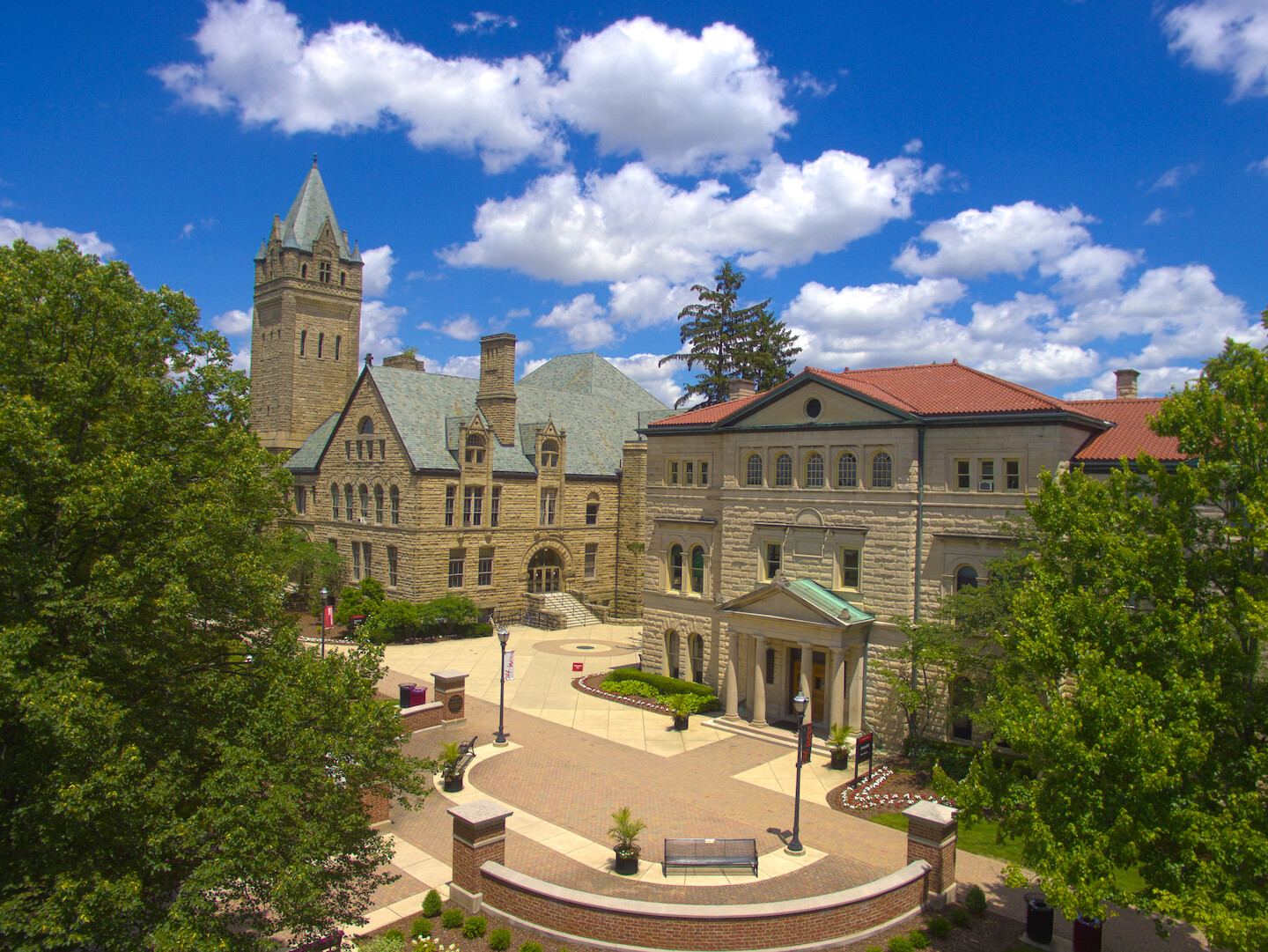
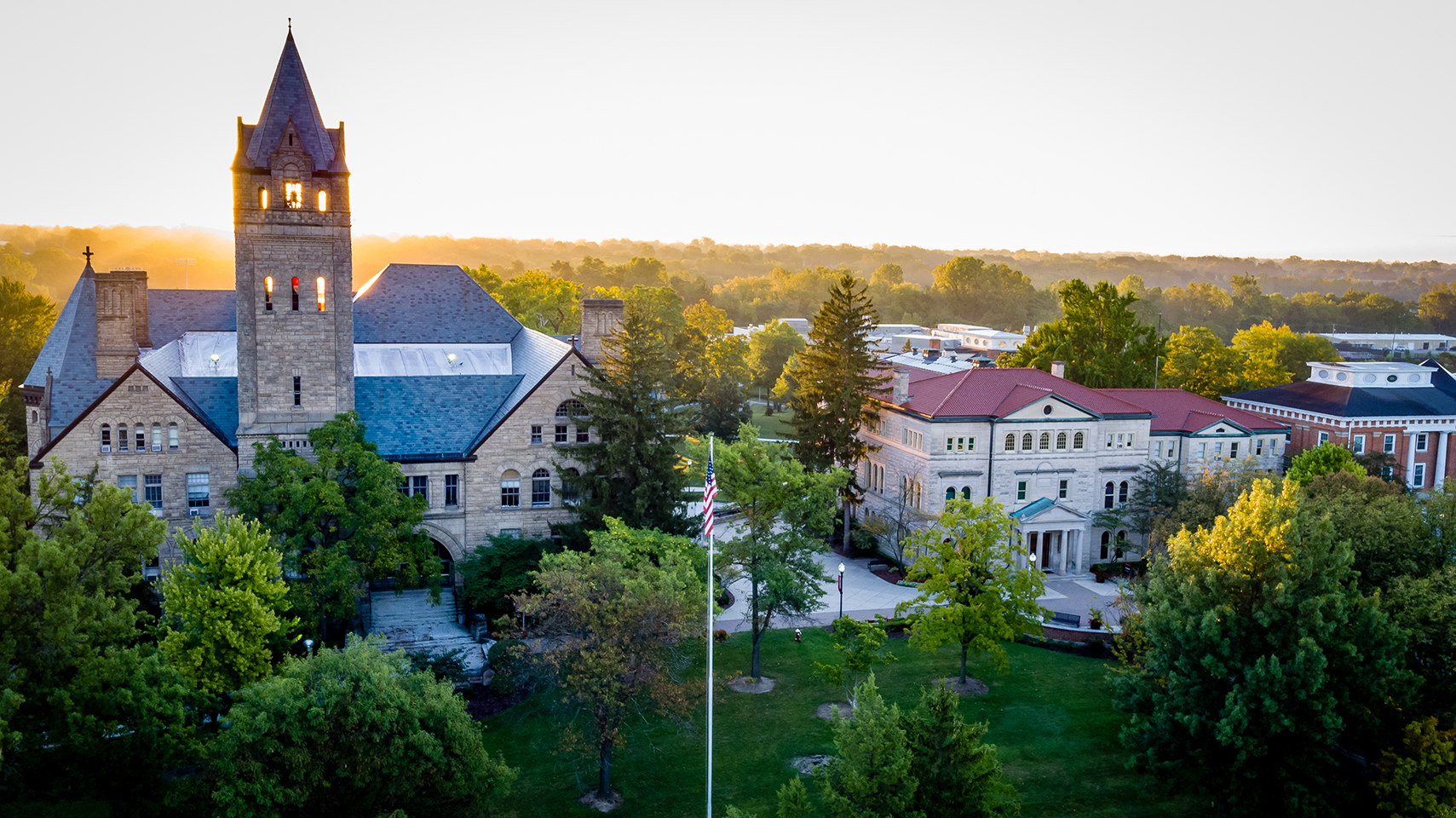
Life at OWU is intensely residential and community-focused. The university reports that most students live on campus, creating what it describes as a "vibrant living and learning community." This on-campus density fosters a specific kind of undergraduate experience: walkable, contained, and socially interconnected. Students describe their peers as friendly and kind, contributing to a welcoming and close-knit atmosphere. The infrastructure for involvement is broad, with nearly 100 student clubs and organizations available, ranging from Greek life and athletics to service groups like Big Brothers Big Sisters. The Office of Student Engagement and Success actively encourages students to get involved as a primary means of connecting to campus. This community is also intentionally diverse; international students and cultural events like an annual Culture Fest are highlighted as key elements that enrich the campus with a "magnificent array of diverse cultural heritages, religious traditions, and life experiences." The campus itself is a traditional, green college setting in the small city of Delaware, Ohio, with facilities and residential halls supporting this highly engaged, in-person student experience.
Ohio Wesleyan tracks and promotes strong immediate outcomes for its graduates, though longer-term financial returns are more moderate compared to some liberal arts peers. The university reports that 97% of its graduates are employed, in graduate school, or in the military shortly after commencement. This "measured success" rate indicates that nearly all alumni move quickly into the next phase of their careers or education. The graduation rate, however, is an area of focus. Over the past decade, an average of 58% of students have graduated within four years, and 64% within six years. Post-graduation earnings data varies by source. The university has been ranked among the nation's top colleges for return on investment (ROI), with one study calculating a net ROI of $354,800 after adjusting for costs and graduation rates. Other sources report median earnings for recent graduates around $33,162, and the U.S. News profile notes a median salary of $42,495 six years after graduation. This suggests a trajectory where OWU graduates successfully launch into the workforce or further study, with earnings growth over time contributing to a positive long-term return on the educational investment.
Affordability at Ohio Wesleyan is driven by aggressive institutional gift aid, not by a low sticker price. The university states it provides an average of more than $45,000 in scholarships and aid per student. This generosity is nearly universal: 100% of full-time beginning undergraduates receive grant or scholarship aid. Merit scholarships are a major component, with awards ranging from $25,000 up to full-tuition, and are based on the strength of the admission application. Accepted students are considered for both merit and automatically. The result is a significant reduction in the for most families. Various sources report the average net price after aid falls between approximately $20,897 and $24,957. One analysis notes that 73.4% of students receive financial aid, with an average aid package of $52,768, leading to an average cost after scholarships and grants of $23,826. It's important to distinguish OWU's policies from those of the similarly named Wesleyan University in Connecticut; sources confirming a no-loan policy and meeting 100% of demonstrated need refer specifically to Wesleyan University (CT), not Ohio Wesleyan. OWU's own packaging policies indicate that financial aid packages can include student loans.
Ohio Wesleyan carves out a distinctive niche by offering a pure, uncomplicated version of the residential liberal arts college. It stands out for its unapologetic focus on classic undergraduate life—where almost everyone lives on campus and participates in a dense web of clubs and organizations. Academically, it has a clear personality: a powerhouse for zoology and animal biology within a broader liberal arts framework, attracting students who are often already ahead of the game (over half arrive with college credits). Its admissions and financial aid strategies are transparent and student-friendly: without hurdles, no consideration of demonstrated interest, and a guarantee of significant for nearly every enrolled student. While it doesn't have the ultra-low admission rates or sky-high endowment perks of its New England counterparts, OWU delivers a coherent, value-driven package. It's for the student who wants the intimate classes, professor access, and community feel of a liberal arts college, paired with strong pre-professional programs in the sciences and business, all within a supportive environment that makes the cost predictable through substantial scholarships.