Loading…
← All schools
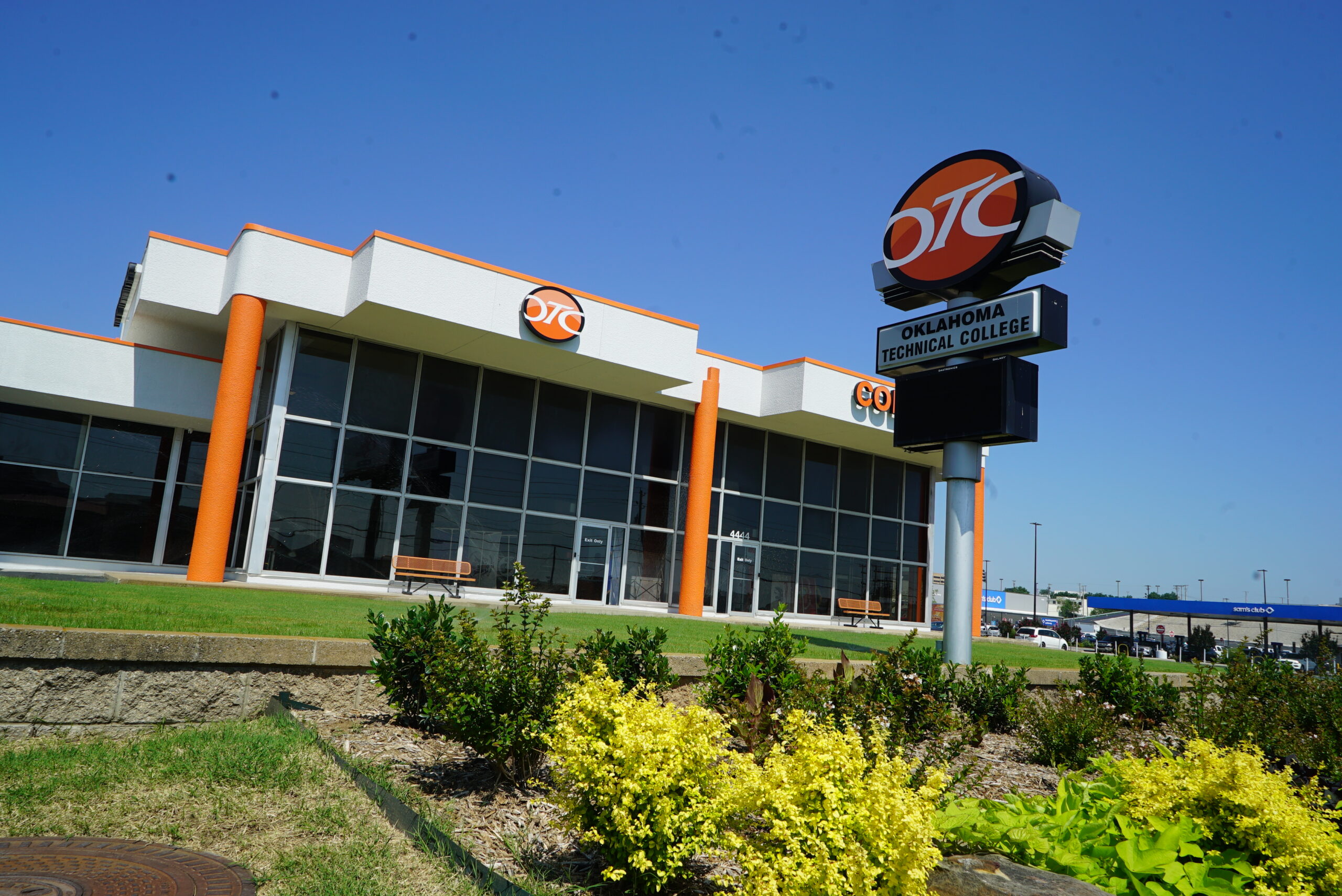
Oklahoma Technical College
Tulsa, OKprivate nonprofitwww.oklahomatechnicalcollege.com/
Avg net price
$27,642
Earnings (10 yr)
$28,954
Acceptance & SAT from Common Data Set / IPEDS; net price, earnings & graduation from the U.S. Dept. of Education College Scorecard. Figures lag ~1–2 years — verify with the school.
Oklahoma Technical College is a hyper-practical, no-frills trade school in Tulsa that operates with the efficiency of a high-end auto shop. It's a place where the admissions process is refreshingly straightforward—if you have a 3.0 GPA, you're in—and the entire educational model is laser-focused on turning out skilled technicians for the blue-collar economy. This isn't a campus for abstract theory; it's a workshop where graduation means a wrench in your hand and a job waiting.
More details
- Undergrad enrollment
- 128
- Campus Setting
- Urban
- Graduation Rate
- 73%
- Specialized Majors
- Mechanical Technologies, Precision Production
- Median Earnings (10yr)
- $28,954
Outcomes & value
Outcomes & value
- Median earnings (10 yr)
- $28,954
- Value (earnings ÷ net price)
- 1.0×
- Median debt at graduation
- $8,898
- Reducing loan balance (3 yr)
- 34%
- Pell (lower-income) share
- 67%
- First-gen share (among federal-aid recipients)
- 54%
Earnings = median of students working ~10 years after entry; debt = median of graduates. Value divides 10-yr earnings by one year’s net price — read it as earnings per dollar of annual cost, not a full lifetime ROI; it favors lower-cost schools. Source: U.S. Dept. of Education College Scorecard. Figures lag ~2 years and reflect all students, not your intended major.
Campus & location
Campus safety
- On-campus violent crimes (2024)
- 0
On-campus criminal offenses classed as violent (murder/non-negligent manslaughter, rape, robbery, aggravated assault) for the most recent reported year. Source: U.S. Dept. of Education Campus Safety and Security (Clery Act). Counts reflect what’s reported to the school, and urban campuses often report more partly due to non-student incidents nearby — read alongside campus size and setting, not as a standalone safety verdict.
Climate
- Pleasant days / yr
- 74
- Summer high
- 91°F
- Winter low
- 33°F
- Annual rain
- 48.9"
- Annual snow
- 6.6"
- Natural-hazard risk
- Relatively High
Pleasant days counts days per year with a mean temperature of 55–75°F, a high at or below 90°F, a low at or above 45°F, and little precipitation — a transparent comfort measure, not a weighting we invented. Computed from Open-Meteo ERA5 daily history (2019–2023). Natural-hazard risk is the county’s composite rating from the FEMA National Risk Index.
Quick answers
- How much does Oklahoma Technical College cost?
- At Oklahoma Technical College, the average net price (after aid) is about $27,642 per year. Actual cost varies with financial aid and residency.
- How many undergraduates attend Oklahoma Technical College?
- Oklahoma Technical College enrolls approximately 128 undergraduate students.
- Where is Oklahoma Technical College located?
- Oklahoma Technical College is located in Tulsa, OK.
Admissions
Admissions at Oklahoma Technical College is a stark contrast to the opaque, high-stakes games played at selective universities. The process is defined by open doors and clear, vocational prerequisites. The school reports a 100% acceptance rate, meaning the primary barrier to entry is meeting the basic academic requirement, not competing against a pool of applicants. That requirement is an official high school transcript with an unweighted GPA of 3.0 or higher on a 4.0 scale. The institution is test-optional, eliminating SAT or ACT scores as a formal hurdle. This approach reflects its mission: to provide access to technical education for students ready to engage in hands-on learning. There is no mention of Early Decision or Early Action programs, aligning with its rolling, pragmatic admissions cycle. The factors considered in admission are not detailed in the provided sources for this specific institution, but the stated GPA requirement is the sole, publicly emphasized criterion.
Academics
The academic experience at Oklahoma Technical College is singularly focused on applied, workforce-ready skills. There are no liberal arts seminars here; the curriculum is built around hands-on learning environments in specific trades. The college's identity is encapsulated in its program offerings: Automotive, Diesel, Welding, HVAC/R, and Electrical technologies. Data confirms this specialization, showing the most awarded degrees are in and . The educational philosophy is explicitly , designed to . The college describes its approach with the pillars of , fostering directly within the context of the trade. Instruction happens in environments that mimic industry workspaces, prioritizing technical proficiency over theoretical exploration.
Compare Oklahoma Technical College
See colleges similar to Oklahoma Technical College →Sources
- [PDF] Common Data Set 2022-2023 - The University of Oklahoma
- Common Data Set - GradGPT
- Common Data Set: Home
- Common Data Set Repository - College Transitions
- Oklahoma Technical College | Data USA
- What are the common data points for each college? - Facebook
- Oklahoma Technical College - Tuition and Acceptance Rate
- Start Your Journey - Oklahoma Technical ...
- Oklahoma Technical College
- Oklahoma State University Institute of Technology: Okmulgee