Loading…
← All schools
Oregon Coast Community College
Newport, ORpublicwww.oregoncoastcc.org/
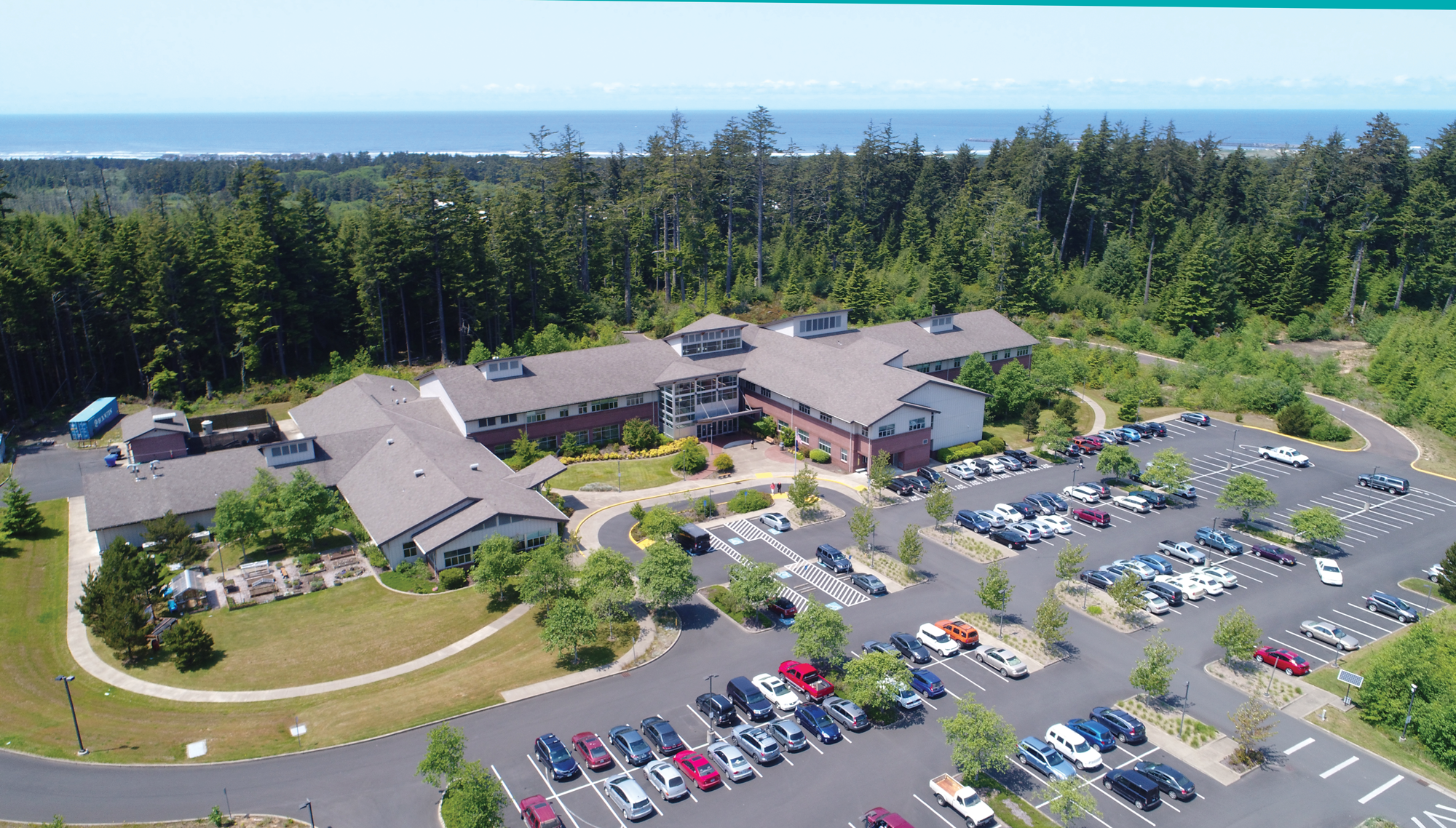
Oregon Coast Community College is the definitive educational outpost for Oregon's central coast, operating with a distinctly practical, open-door mission. It serves as a critical pipeline for local healthcare through its standout nursing program and as a launchpad for transfer students, all while embracing a student body that ranges from high schoolers to career-changers. The vibe is unpretentious and community-focused, where the classroom view might compete with the Pacific Ocean.
More details
- Undergrad enrollment
- 376
- In-state tuition
- $5,544
- Out-of-state tuition
- $5,544
- Graduation Rate
- 34%
- Median Earnings (1yr)
- $36,427
- Students Receiving Grant Aid
- 74%
- First Class Free for HS Students
- Yes
Outcomes & value
Outcomes & value
- Pell (lower-income) share
- 33%
Earnings = median of students working ~10 years after entry; debt = median of graduates. Value divides 10-yr earnings by one year’s net price — read it as earnings per dollar of annual cost, not a full lifetime ROI; it favors lower-cost schools. Source: U.S. Dept. of Education College Scorecard. Figures lag ~2 years and reflect all students, not your intended major.
Campus & location
Campus safety
- On-campus violent crimes (2024)
- 0
On-campus criminal offenses classed as violent (murder/non-negligent manslaughter, rape, robbery, aggravated assault) for the most recent reported year. Source: U.S. Dept. of Education Campus Safety and Security (Clery Act). Counts reflect what’s reported to the school, and urban campuses often report more partly due to non-student incidents nearby — read alongside campus size and setting, not as a standalone safety verdict.
Climate
- Pleasant days / yr
- 122
- Summer high
- 64°F
- Winter low
- 42°F
- Annual rain
- 59.4"
- Annual snow
- 24.8"
- Natural-hazard risk
- Relatively Moderate
Pleasant days counts days per year with a mean temperature of 55–75°F, a high at or below 90°F, a low at or above 45°F, and little precipitation — a transparent comfort measure, not a weighting we invented. Computed from Open-Meteo ERA5 daily history (2019–2023). Natural-hazard risk is the county’s composite rating from the FEMA National Risk Index.
Deep dive — research, future-scholar output & economic mobility
Research output
- Institutional h-index
- 13
- Scholarly works
- 64
Institutional research volume and impact from OpenAlex. The h-index reflects large research universities and will be low for teaching-focused liberal-arts colleges — not a measure of undergraduate quality.
Quick answers
- How much does Oregon Coast Community College cost?
- At Oregon Coast Community College, the average net price (after aid) is about $7,666 per year. Actual cost varies with financial aid and residency.
- How many undergraduates attend Oregon Coast Community College?
- Oregon Coast Community College enrolls approximately 376 undergraduate students.
- Where is Oregon Coast Community College located?
- Oregon Coast Community College is located in Newport, OR.
Admissions
OCCC operates on a pure open-admissions policy, meaning any student 16 years or older—whether a high school graduate or not—is eligible for admission. There is no application fee, and the is universally reported as 100%. This radically accessible approach defines the college's mission to serve the entire Lincoln County community, from traditional students to adult learners seeking new skills. High school students can even register for one class per term tuition-free, with a 50% reduction for additional classes, blurring the line between secondary and higher education.
Academics
The academic portfolio is built around clear, practical pathways: transfer, career training, and personal enrichment. For students aiming for a bachelor's degree, the college offers Associate of Arts Oregon Transfer (AAOT) degrees, including specialized tracks in Elementary Education and Computer Science, and an Associate of Science Oregon Transfer in Business (ASOT Business). A key feature is the Degree Partnership Program with Oregon State University, facilitating a smoother transition to a four-year institution.
Compare Oregon Coast Community College
vs Oregon State University-Cascades Campusvs University of Alaska Southeastvs United States Merchant Marine Academyvs University of Virginia's College at Wise
See colleges similar to Oregon Coast Community College →Sources
- Common Data Set: Home
- Common Data Set Repository - College Transitions
- Common data set - Institutional Research - Oregon State University
- Oregon Coast Community College - DFR Report HTML
- The Common Data Set: What It Is & How to Use It In College ...
- Fast Facts - Oregon Coast Community College
- Oregon Coast Community College - Niche
- Admissions | Oregon Coast Community College
- Oregon Coast Community College - Tuition and Acceptance Rate
- Apply Now - Oregon Coast Community College
- Oregon Coast Community College in Newport, OR