Loading…
← All schools
Orleans Niagara BOCES-Practical Nursing Program
Lockport, NYpubliconboces.org
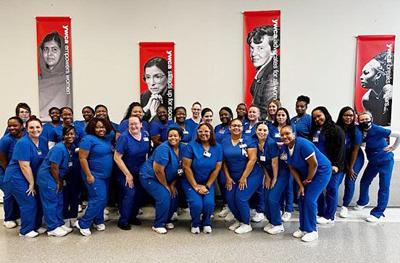
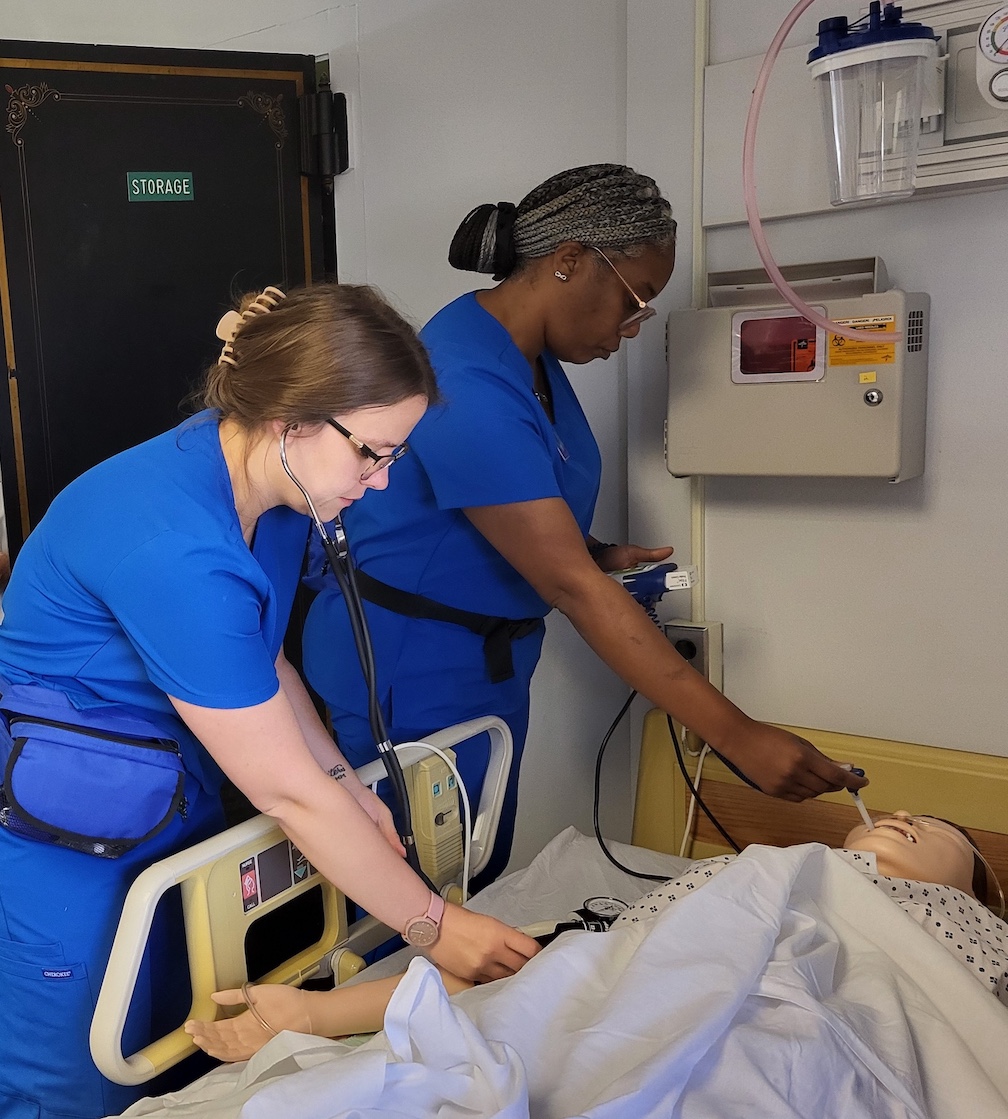
Orleans Niagara BOCES-Practical Nursing Program is a hyper-focused, single-purpose institution that operates with the no-nonsense efficiency of a trade school. It exists for one reason: to turn out Licensed Practical Nurses (LPNs) in just 52 weeks, serving as a direct, affordable pipeline into the healthcare workforce of Western New York. Forget dorm life and football games; this is a place where adult learners and career-changers come for a compact, intensive credential that leads directly to a job.
Admission requirements
Test-blind — scores not considered
Required
- High school transcript
Source: IPEDS Admissions survey (2022) via Urban Institute. Covers formal factors only — it does not reflect essays, extracurriculars, or other holistic criteria.
More details
- Undergrad enrollment
- 30
- Class Size
- 35-40 students
- Program Length
- 52 weeks / 1,236 hours
- Graduation Rate
- 100%
- Students Receiving Aid
- 100%
- Earnings 1 Year After Graduation
- $46,055
Outcomes & value
Outcomes & value
- Median debt at graduation
- $13,198
- Reducing loan balance (3 yr)
- 55%
- Pell (lower-income) share
- 83%
- First-gen share (among federal-aid recipients)
- 63%
Earnings = median of students working ~10 years after entry; debt = median of graduates. Value divides 10-yr earnings by one year’s net price — read it as earnings per dollar of annual cost, not a full lifetime ROI; it favors lower-cost schools. Source: U.S. Dept. of Education College Scorecard. Figures lag ~2 years and reflect all students, not your intended major.
Campus & location
Campus safety
- On-campus violent crimes (2024)
- 0
On-campus criminal offenses classed as violent (murder/non-negligent manslaughter, rape, robbery, aggravated assault) for the most recent reported year. Source: U.S. Dept. of Education Campus Safety and Security (Clery Act). Counts reflect what’s reported to the school, and urban campuses often report more partly due to non-student incidents nearby — read alongside campus size and setting, not as a standalone safety verdict.
Climate
- Pleasant days / yr
- 90
- Summer high
- 80°F
- Winter low
- 23°F
- Annual rain
- 42.9"
- Annual snow
- 44.6"
- Natural-hazard risk
- Relatively Moderate
Pleasant days counts days per year with a mean temperature of 55–75°F, a high at or below 90°F, a low at or above 45°F, and little precipitation — a transparent comfort measure, not a weighting we invented. Computed from Open-Meteo ERA5 daily history (2019–2023). Natural-hazard risk is the county’s composite rating from the FEMA National Risk Index.
Quick answers
- How much does Orleans Niagara BOCES-Practical Nursing Program cost?
- At Orleans Niagara BOCES-Practical Nursing Program, the average net price (after aid) is about $18,371 per year. Actual cost varies with financial aid and residency.
- How many undergraduates attend Orleans Niagara BOCES-Practical Nursing Program?
- Orleans Niagara BOCES-Practical Nursing Program enrolls approximately 30 undergraduate students.
- Where is Orleans Niagara BOCES-Practical Nursing Program located?
- Orleans Niagara BOCES-Practical Nursing Program is located in Lockport, NY.
Admissions
Admissions here are less about crafting a holistic profile and more about meeting the practical prerequisites for a demanding, accelerated program. The process is straightforward and geared toward local adult learners. While recent data shows an of 100% (14 admissions from 14 applications), historical trends suggest more typical selectivity, with a seven-year average acceptance rate of 38.86%. The program is small by design, with recent classes starting with 35 students and an intent to enroll up to 40. A key gatekeeper is the TEAS® Exam (Test of Essential Academic Skills), a standardized test commonly required for nursing program admission, with specific testing dates announced for enrollment cycles. The institution's mission is explicitly to "create opportunities that empower all learners and prepare them for success in school, career, and life," which frames its admissions approach around accessibility and readiness for the rigorous curriculum ahead.
Academics
Compare Orleans Niagara BOCES-Practical Nursing Program
vs United States Coast Guard Academyvs Maine Maritime Academyvs SUNY Maritime Collegevs United States Merchant Marine Academy
See colleges similar to Orleans Niagara BOCES-Practical Nursing Program →Sources
- Orleans Niagara BOCES-Practical Nursing Program - Data USA
- Practical Nursing (PN) - Orleans/Niagara BOCES
- Orleans Niagara BOCES-Practical Nursing Program
- Orleans Niagara BOCES-Practical Nursing Program - Sallie
- Orleans Niagara BOCES-Practical Nursing Program - My Future
- Practical Nursing (PN) - Documents | Orleans/Niagara BOCES
- Orleans Niagara BOCES - Practical Nursing Program
- Orleans Niagara BOCES-Practical Nursing Program
- Net Price Calculator for Orleans Niagara BOCES-Practical ...