Loading…
← All schools
Pacific College of Health and Science
New York, NYprivate forprofitwww.pacificcollege.edu/
Avg net price
$57,004
Earnings (10 yr)
$26,209
Graduation rate
56%
Acceptance & SAT from Common Data Set / IPEDS; net price, earnings & graduation from the U.S. Dept. of Education College Scorecard. Figures lag ~1–2 years — verify with the school.
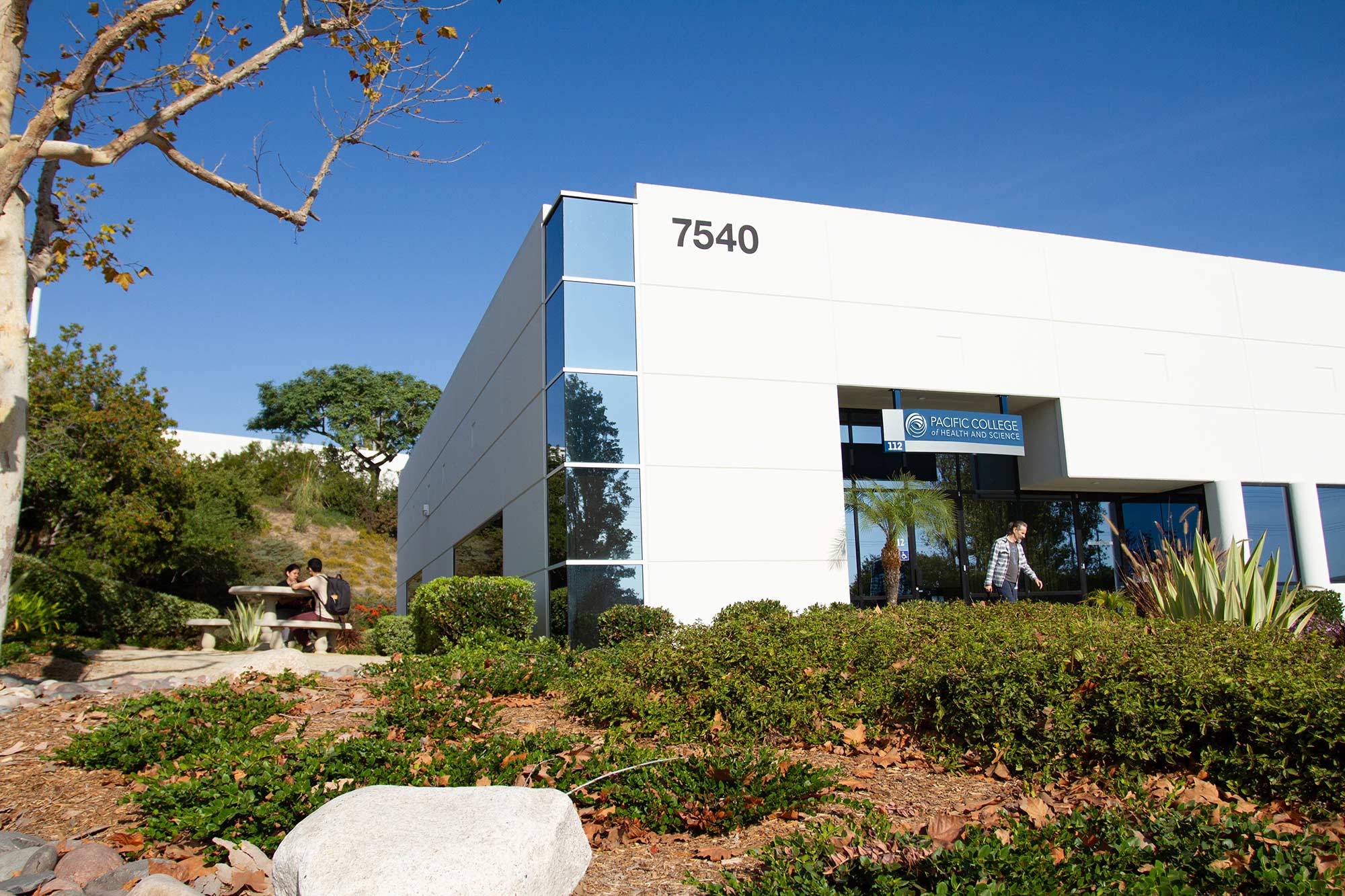
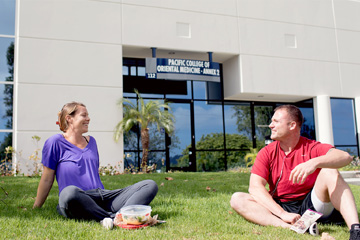
Pacific College of Health and Science is a singular institution, not a traditional liberal arts college but a focused professional school rooted in holistic and integrative healthcare. Founded in 1986, it has grown to become the largest acupuncture school in the United States, offering a tightly curated ladder of degrees from associate's to doctorate, all centered on hands-on training in fields like massage therapy, nursing, and traditional Chinese medicine. Its New York campus, one of several, serves a modest, career-focused student body in a bright, well-equipped urban setting, with a mission explicitly geared toward 'changing lives' through alternative healthcare education.
More details
- Undergrad enrollment
- 330
- In-state tuition
- $15,804
- Out-of-state tuition
- $15,804
- Founded
- 1986
- Degrees Offered
- Associate's to Doctorate
- Graduation Rate
- 56%
- Most Popular Majors
- Massage Therapy, Nursing, Alternative Medicine
- Special Distinction
- Largest acupuncture school in the U.S.
- Student:Faculty Ratio
- 9:1
- Median Earnings (10yr)
- $26,209
Outcomes & value
Outcomes & value
- Median earnings (10 yr)
- $26,209
- Value (earnings ÷ net price)
- 0.5×
- Median debt at graduation
- $12,271
- Graduation rate
- 56%
- Reducing loan balance (3 yr)
- 37%
- Pell (lower-income) share
- 23%
- First-gen share (among federal-aid recipients)
- 41%
Earnings = median of students working ~10 years after entry; debt = median of graduates. Value divides 10-yr earnings by one year’s net price — read it as earnings per dollar of annual cost, not a full lifetime ROI; it favors lower-cost schools. Source: U.S. Dept. of Education College Scorecard. Figures lag ~2 years and reflect all students, not your intended major.
Campus & location
Campus safety
- On-campus violent crimes (2024)
- 0
- Per 1,000 students
- 0.00
On-campus criminal offenses classed as violent (murder/non-negligent manslaughter, rape, robbery, aggravated assault) for the most recent reported year. Source: U.S. Dept. of Education Campus Safety and Security (Clery Act). Counts reflect what’s reported to the school, and urban campuses often report more partly due to non-student incidents nearby — read alongside campus size and setting, not as a standalone safety verdict.
Climate
- Pleasant days / yr
- 90
- Summer high
- 83°F
- Winter low
- 29°F
- Annual rain
- 54.4"
- Annual snow
- 18.3"
- Natural-hazard risk
- Relatively High
Pleasant days counts days per year with a mean temperature of 55–75°F, a high at or below 90°F, a low at or above 45°F, and little precipitation — a transparent comfort measure, not a weighting we invented. Computed from Open-Meteo ERA5 daily history (2019–2023). Natural-hazard risk is the county’s composite rating from the FEMA National Risk Index.
Quick answers
- How much does Pacific College of Health and Science cost?
- At Pacific College of Health and Science, the average net price (after aid) is about $57,004 per year. Actual cost varies with financial aid and residency.
- How many undergraduates attend Pacific College of Health and Science?
- Pacific College of Health and Science enrolls approximately 330 undergraduate students.
- Where is Pacific College of Health and Science located?
- Pacific College of Health and Science is located in New York, NY.
Admissions
Admissions at Pacific College of Health and Science are not selective in the conventional undergraduate sense; it operates with what is effectively an open admission policy for its career-oriented programs. Multiple sources report an of 100%, and the institution itself states that admissions data is only presented for schools that do not have an open admission policy, implying its inclusive approach. Prospective students can initiate the process by contacting the New York campus admissions office directly via email or phone. The application fee is $50. There is no mention of standardized test scores (SAT/ACT) being required or considered, aligning with its focus on professional training rather than traditional academic metrics. The process is detailed in the College Catalog, which outlines admissions procedures, program options, and institutional policies.
Compare Pacific College of Health and Science
vs United States Coast Guard Academyvs Grove City Collegevs Dean Collegevs United States Military Academy
See colleges similar to Pacific College of Health and Science →Sources
- Common Data Set (CDS)
- Pacific College of Health and Science - DFR Report HTML
- Pacific College of Health and Science (414595)
- Admissions
- Pacific College Admissions
- Student Consumer Information & Resources
- Pacific College of Health and Science - Sallie
- Pacific College of Health and Science - San Diego
- Pacific College SAT Scores, ACT Scores, Acceptance Rate & ...
- Pacific College of Health and Science Acceptance Rate