Loading…
← All schools
Paul Mitchell the School-Jessup
Jessup, MDprivate forprofitpaulmitchell.edu
Avg net price
$19,011
Earnings (10 yr)
$35,225
Acceptance & SAT from Common Data Set / IPEDS; net price, earnings & graduation from the U.S. Dept. of Education College Scorecard. Figures lag ~1–2 years — verify with the school.
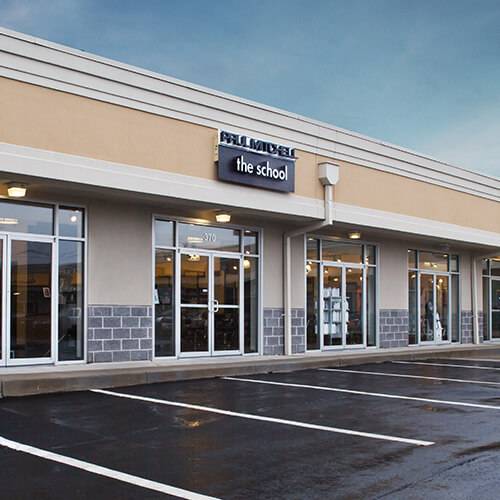
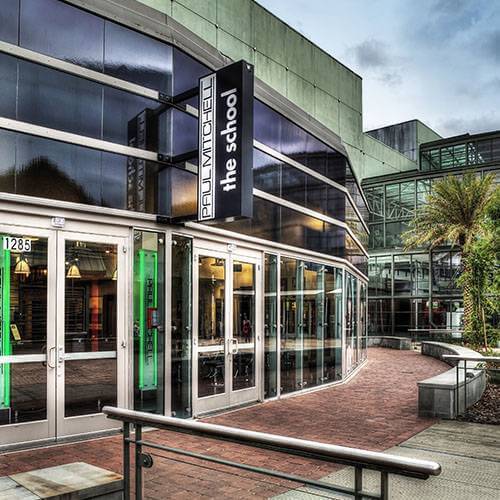
Paul Mitchell the School-Jessup is not a traditional university but a specialized, for-profit cosmetology school that operates with the intensity and focus of a trade apprenticeship. Located in a shopping center near Baltimore, its entire identity is built around training 'Future Professionals' for careers in hair, skin, and nails. The culture is one of hands-on artistry and business preparation, where students learn by doing on real clients in an on-site salon. Outcomes are measured not by SAT scores but by state licensure pass rates and job placement.
More details
- Undergrad enrollment
- 131
- Program Focus
- Cosmetology, Barbering, Esthetics
- Graduation Rate
- 65.13%
- Licensure Rate (2018)
- 96.39%
- Placement Rate (2018)
- 65.50%
- Median Earnings (10yr)
- $35,225
Outcomes & value
Outcomes & value
- Median earnings (10 yr)
- $35,225
- Value (earnings ÷ net price)
- 1.9×
- Median debt at graduation
- $9,500
- Reducing loan balance (3 yr)
- 48%
- Pell (lower-income) share
- 58%
- First-gen share (among federal-aid recipients)
- 58%
Earnings = median of students working ~10 years after entry; debt = median of graduates. Value divides 10-yr earnings by one year’s net price — read it as earnings per dollar of annual cost, not a full lifetime ROI; it favors lower-cost schools. Source: U.S. Dept. of Education College Scorecard. Figures lag ~2 years and reflect all students, not your intended major.
Campus & location
Climate
- Pleasant days / yr
- 97
- Summer high
- 85°F
- Winter low
- 32°F
- Annual rain
- 45"
- Annual snow
- 13.1"
- Natural-hazard risk
- Relatively Low
Pleasant days counts days per year with a mean temperature of 55–75°F, a high at or below 90°F, a low at or above 45°F, and little precipitation — a transparent comfort measure, not a weighting we invented. Computed from Open-Meteo ERA5 daily history (2019–2023). Natural-hazard risk is the county’s composite rating from the FEMA National Risk Index.
Quick answers
- How much does Paul Mitchell the School-Jessup cost?
- At Paul Mitchell the School-Jessup, the average net price (after aid) is about $19,011 per year. Actual cost varies with financial aid and residency.
- How many undergraduates attend Paul Mitchell the School-Jessup?
- Paul Mitchell the School-Jessup enrolls approximately 131 undergraduate students.
- Where is Paul Mitchell the School-Jessup located?
- Paul Mitchell the School-Jessup is located in Jessup, MD.
Admissions
Admissions at Paul Mitchell the School-Jessup follows an open-enrollment model typical of specialized career schools, not the selective process of a liberal arts college. The school reports a 100% , indicating that meeting basic eligibility requirements is the primary hurdle. The process is direct and service-oriented: prospective students are encouraged to schedule a tour by calling the admissions department directly. There is no mention of standardized test scores (SAT/ACT) or GPA requirements in the context of admissions decisions; the focus is instead on a candidate's interest in and suitability for the beauty industry. The total enrollment is small, with 131 students reported in 2024, 117 of whom attend full-time, creating an intimate cohort environment.
Academics
The academic offering is singular and laser-focused: professional training in cosmetology, barbering, and esthetics. This is not a place for general education or exploring majors; it's a bootcamp for a specific trade. The curriculum emphasizes a blend of technical skill, artistic development, and practical business acumen to prepare students for salon careers. Education is intensely hands-on, moving quickly from theory to practice in a studio environment. The school's marketing materials promise 'the skills you need to succeed, including technique, artistry, business skills, career resources, advice, contacts and more,' framing the education as a direct pipeline to employment.
Compare Paul Mitchell the School-Jessup
See colleges similar to Paul Mitchell the School-Jessup →Sources
- Paul Mitchell the School-Jessup
- Consumer Information | Paul Mitchell The School Jessup
- Paul Mitchell The School Jessup
- Paul Mitchell the School-Jessup - DFR Report HTML
- Paul Mitchell the School - Jessup
- Common Data Set: Home
- SAT, ACT & GPA Requirements - Paul Mitchell NYC
- Paul Mitchell the School-Jessup
- Paul Mitchell the School-Jessup (off-campus)
- Frequently Asked Questions - Paul Mitchell The School Jessup
- Cosmetology & Beauty School Near Baltimore, MD