Loading…
← All schools
Paul Mitchell the School-San Diego
San Diego, CAprivate forprofitpaulmitchell.edu/sandiego
Avg net price
$35,975
Earnings (10 yr)
$26,897
Acceptance & SAT from Common Data Set / IPEDS; net price, earnings & graduation from the U.S. Dept. of Education College Scorecard. Figures lag ~1–2 years — verify with the school.
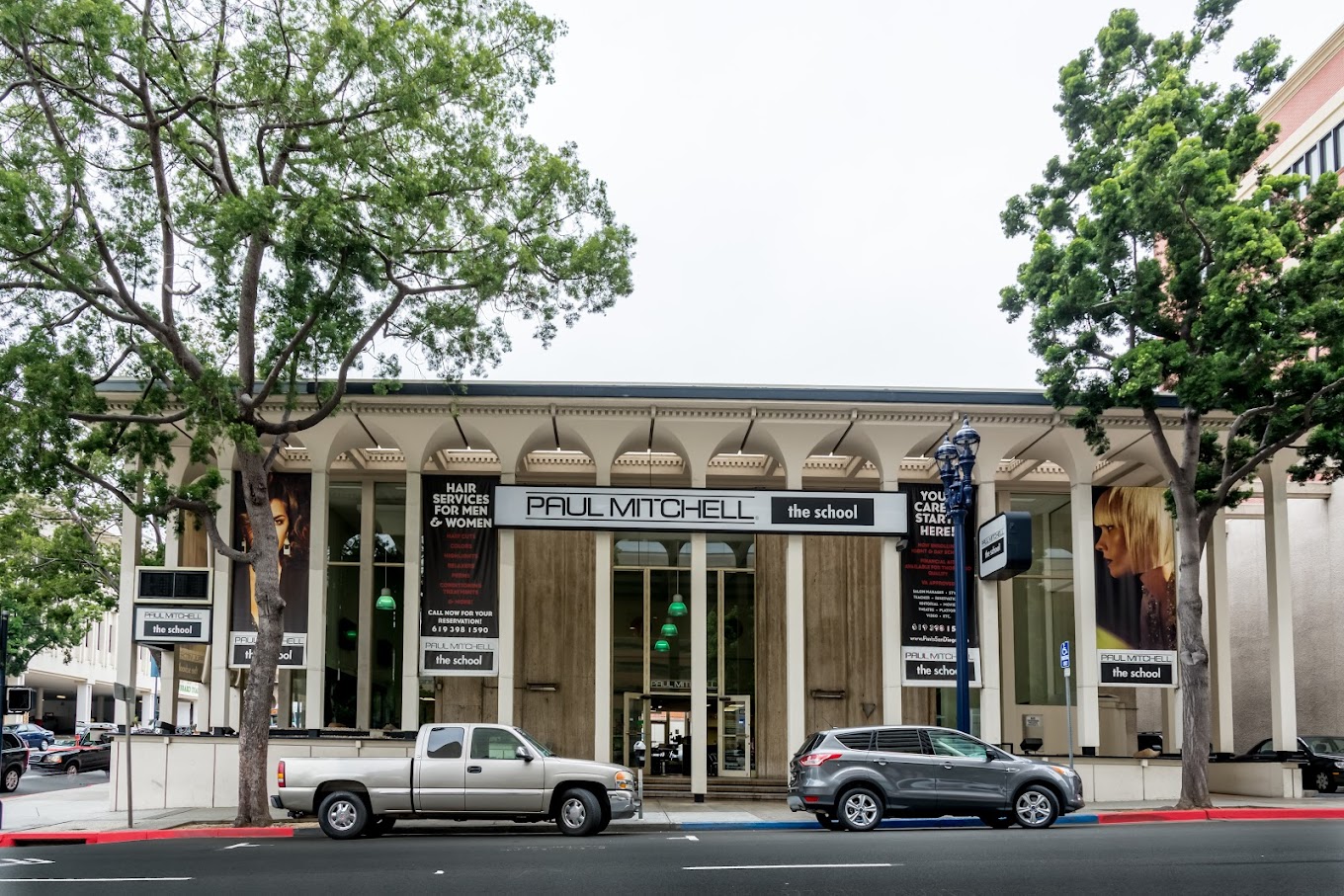
Paul Mitchell the School-San Diego is not a traditional university but a specialized, nationally accredited beauty school that operates with the intensity and focus of a trade apprenticeship. Since 2004, it has carved out a distinct niche in San Diego, offering tightly structured, brand-centric programs in cosmetology, barbering, and esthetics. The culture is explicitly built around a 'Be Nice' ethos, aiming to foster creativity and confidence within a hands-on, career-focused environment where graduation and licensure rates are the primary metrics of success.
More details
- Undergrad enrollment
- 225
- Programs
- Cosmetology, Barbering, Esthetics
- Accreditation
- NACCAS
- Demonstrated Interest
- Not considered
- Licensure Rate (2024)
- 93.94%
- Placement Rate (2024)
- 74.71%
- Graduation Rate (2024)
- 78.20%
- Median Earnings (10yr)
- $26,897
- Student-to-Faculty Ratio
- 16:1
- First-Year Retention Rate
- 67%
Outcomes & value
Outcomes & value
- Median earnings (10 yr)
- $26,897
- Value (earnings ÷ net price)
- 0.7×
- Median debt at graduation
- $13,000
- Reducing loan balance (3 yr)
- 45%
- Pell (lower-income) share
- 28%
- First-gen share (among federal-aid recipients)
- 43%
Earnings = median of students working ~10 years after entry; debt = median of graduates. Value divides 10-yr earnings by one year’s net price — read it as earnings per dollar of annual cost, not a full lifetime ROI; it favors lower-cost schools. Source: U.S. Dept. of Education College Scorecard. Figures lag ~2 years and reflect all students, not your intended major.
Campus & location
Campus safety
- On-campus violent crimes (2024)
- 0
On-campus criminal offenses classed as violent (murder/non-negligent manslaughter, rape, robbery, aggravated assault) for the most recent reported year. Source: U.S. Dept. of Education Campus Safety and Security (Clery Act). Counts reflect what’s reported to the school, and urban campuses often report more partly due to non-student incidents nearby — read alongside campus size and setting, not as a standalone safety verdict.
Climate
- Pleasant days / yr
- 272
- Summer high
- 75°F
- Winter low
- 47°F
- Annual rain
- 15.1"
- Natural-hazard risk
- Very High
Pleasant days counts days per year with a mean temperature of 55–75°F, a high at or below 90°F, a low at or above 45°F, and little precipitation — a transparent comfort measure, not a weighting we invented. Computed from Open-Meteo ERA5 daily history (2019–2023). Natural-hazard risk is the county’s composite rating from the FEMA National Risk Index.
Quick answers
- How much does Paul Mitchell the School-San Diego cost?
- At Paul Mitchell the School-San Diego, the average net price (after aid) is about $35,975 per year. Actual cost varies with financial aid and residency.
- How many undergraduates attend Paul Mitchell the School-San Diego?
- Paul Mitchell the School-San Diego enrolls approximately 225 undergraduate students.
- Where is Paul Mitchell the School-San Diego located?
- Paul Mitchell the School-San Diego is located in San Diego, CA.
Admissions
Admissions at Paul Mitchell the School-San Diego is a straightforward, open-access process geared toward career preparation, not the hyper-selective competition of a liberal arts college. The school reports a 100% , indicating its mission is to provide educational opportunities to a wide range of applicants who meet basic requirements. The process is managed through a dedicated admissions phone line, and the school is transparent about its national accreditation by the National Accrediting Commission of Career Arts & Sciences (NACCAS). Unlike universities that weigh factors like class rank, essays, or standardized tests, this school's admissions criteria are focused on readiness for a hands-on trade program. There is no mention of Early Decision, Early Action, or a binding application process; the timeline appears to be rolling admissions based on program start dates. Demonstrated interest, a critical factor at many selective colleges, is not a consideration here—the process is designed to be accessible.
Academics
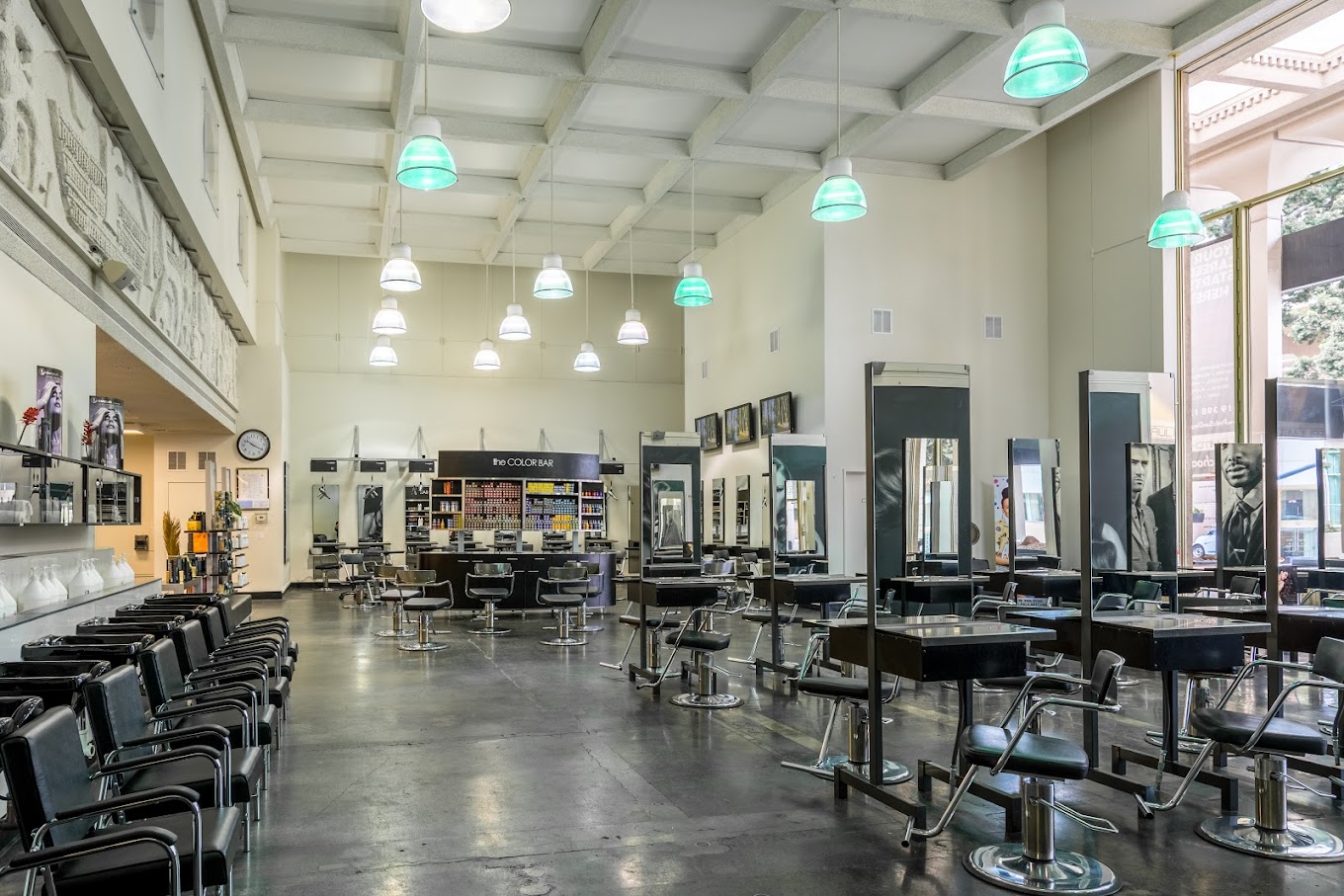
Academic life is singularly focused on the beauty arts, with a curriculum that is proprietary, practical, and deeply tied to the Paul Mitchell brand. The school offers a narrow set of programs: Cosmetology, Barbering, and Esthetics. The cosmetology program, a central offering, is built around Paul Mitchell Advanced Education's proprietary systems—the Cutting System, Color System, Texture System, and Short Hair System. This isn't a theory-heavy liberal arts education; it's a 1,000-clock-hour training regimen designed to impart specific, marketable skills. The student-to-faculty ratio is 16 to 1, which allows for considerable hands-on supervision in a studio-style environment. The structure is intensive and vocational, with a clear goal of preparing students for state licensure exams and immediate entry into the workforce. There are no traditional majors in literature or sciences; the entire academic enterprise is channeled toward mastering a craft.
Compare Paul Mitchell the School-San Diego
vs United States Coast Guard Academyvs United States Air Force Academyvs Hillsdale Collegevs Grove City College
See colleges similar to Paul Mitchell the School-San Diego →Sources
- Common Data Set
- 2024-2025 Common Data Set
- Common Data Set 2025-26
- Paul Mitchell the School-San Diego
- Common Data Set: Home
- How To Use a Common Data Set
- Paul Mitchell the School - San Diego - Niche
- Paul Mitchell the School Arlington Admissions: SAT, ACT & GPA ...
- Paul Mitchell the School-San Diego - College Decoded
- Paul Mitchell the School-San Diego | Class of 2030 Community
- Paul Mitchell The School San Diego Admissions - BigFuture