Loading…
← All schools
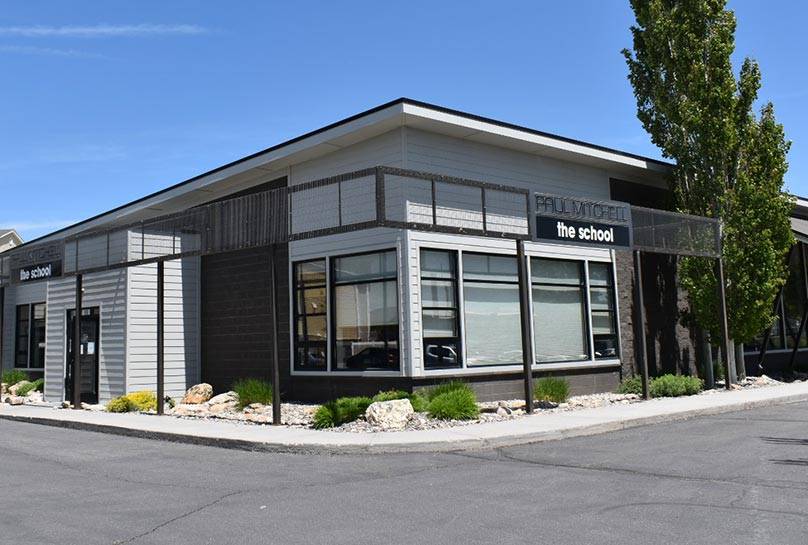
Paul Mitchell the School-Twin Falls
TWIN FALLS, IDprivate forprofitpaulmitchell.edu/twinfalls
Avg net price
$22,366
Earnings (10 yr)
$27,947
Acceptance & SAT from Common Data Set / IPEDS; net price, earnings & graduation from the U.S. Dept. of Education College Scorecard. Figures lag ~1–2 years — verify with the school.
Paul Mitchell the School-Twin Falls is a hyper-focused, single-purpose institution: a trade school for cosmetology. It operates with the straightforward mission of preparing students to pass the Idaho state board exam and get a job, offering a hands-on, salon-style education rather than a traditional liberal arts experience. This is a place for those who know they want to cut, color, and style hair, and want to do it within the recognizable brand ecosystem of a national beauty school network.
More details
- Undergrad enrollment
- 19
- Location
- Twin Falls, ID
- Single Major
- Cosmetology/Cosmetologist, General
- Institution Type
- Proprietary Trade School
- Graduation Rate (6-yr)
- 64%
- Median Earnings (10yr)
- $27,947
- Student-to-Faculty Ratio
- 18:1
- First-Year Retention Rate
- 67%
Outcomes & value
Outcomes & value
- Median earnings (10 yr)
- $27,947
- Value (earnings ÷ net price)
- 1.2×
- Pell (lower-income) share
- 66%
Earnings = median of students working ~10 years after entry; debt = median of graduates. Value divides 10-yr earnings by one year’s net price — read it as earnings per dollar of annual cost, not a full lifetime ROI; it favors lower-cost schools. Source: U.S. Dept. of Education College Scorecard. Figures lag ~2 years and reflect all students, not your intended major.
Campus & location
Climate
- Pleasant days / yr
- 76
- Summer high
- 89°F
- Winter low
- 25°F
- Annual rain
- 10.2"
- Annual snow
- 28.3"
- Natural-hazard risk
- Relatively Low
Pleasant days counts days per year with a mean temperature of 55–75°F, a high at or below 90°F, a low at or above 45°F, and little precipitation — a transparent comfort measure, not a weighting we invented. Computed from Open-Meteo ERA5 daily history (2019–2023). Natural-hazard risk is the county’s composite rating from the FEMA National Risk Index.
Quick answers
- How much does Paul Mitchell the School-Twin Falls cost?
- At Paul Mitchell the School-Twin Falls, the average net price (after aid) is about $22,366 per year. Actual cost varies with financial aid and residency.
- How many undergraduates attend Paul Mitchell the School-Twin Falls?
- Paul Mitchell the School-Twin Falls enrolls approximately 19 undergraduate students.
- Where is Paul Mitchell the School-Twin Falls located?
- Paul Mitchell the School-Twin Falls is located in TWIN FALLS, ID.
Admissions
Admissions at Paul Mitchell the School-Twin Falls is not the high-stakes, process of a selective liberal arts college. The school's mission is explicitly vocational: "To provide a quality educational system to prepare students to pass the state board examination and gain employment within their chosen field." This suggests an open-admissions or minimally selective posture focused on a student's desire to enter the beauty industry, not on standardized test scores or high school rank. Publicly available admissions profiles for other Paul Mitchell schools indicate can be high; for example, Paul Mitchell The School Saint Louis reports a 90% acceptance rate. The initiative, which standardizes reporting for traditional colleges, is not applicable here, as this is a proprietary trade school. There is no available information on Early Decision policies, rates, or whether demonstrated interest is considered, as these are metrics for selective undergraduate institutions.
Academics
Compare Paul Mitchell the School-Twin Falls
vs United States Coast Guard Academyvs United States Air Force Academyvs Hillsdale Collegevs The College of Idaho
See colleges similar to Paul Mitchell the School-Twin Falls →Sources
- Paul Mitchell The School Twin Falls - Paul Mitchell Schools
- Paul Mitchell the School-Twin Falls (off-campus)
- Paul Mitchell the School-Louisville - DFR Report HTML
- Common Data Set: Home
- How To Use a Common Data Set
- Paul Mitchell the School-Greenville
- Paul Mitchell The School Twin Falls Admissions - BigFuture
- Paul Mitchell the School - Tampa - Niche
- Paul Mitchell The School Saint Louis Admissions: SAT, ACT & GPA ...
- Consumer Information | Paul Mitchell The School Coeur d'Alene